This week marked a significant milestone for Balat's emerging community collective, which launched an expanded weekend market series along Çukur Bostan Street on Friday evening. The initiative, coordinated by three neighbourhood associations working in tandem, drew over 800 residents and visitors—a 40 per cent increase from last month's opening event—showcasing everything from artisanal cheese producers to second-hand book vendors.
The expanded programming reflects growing momentum in Istanbul's older quarters, where grassroots organisations are increasingly taking the lead on neighbourhood revitalisation. "We wanted to create spaces where locals actually benefit," explained one community organiser involved in the Balat initiative, noting that stall fees remain capped at 150 Turkish lira to keep participation accessible.
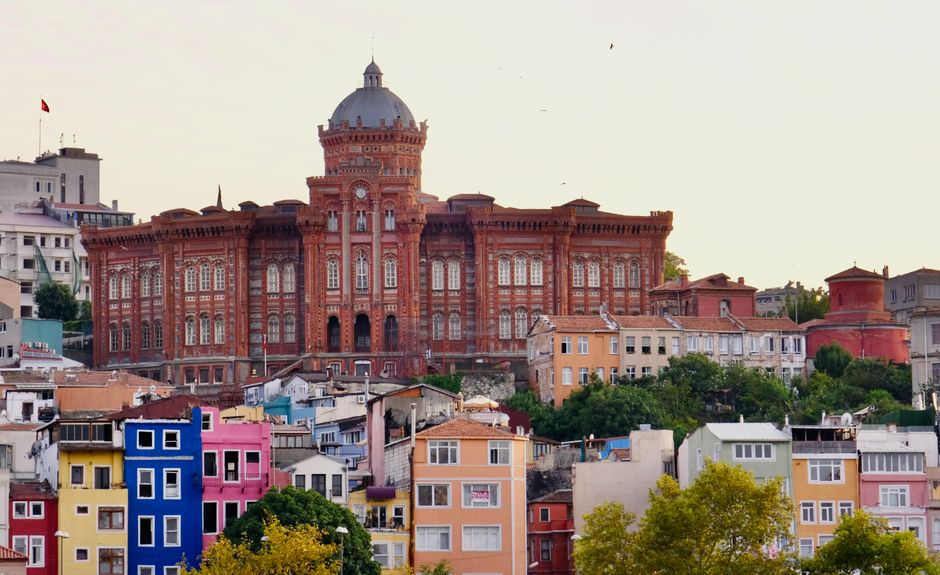
Across the Golden Horn in Fener, the Fener Education and Culture Association announced expanded hours for its youth workshop programme, now operating five days weekly instead of three. The organisation, which occupies a restored 19th-century building on Vodina Street, is targeting teenagers from surrounding neighbourhoods with free digital literacy and creative skills training. Current enrolment stands at 67 participants, double the number from January.
In Beyoğlu, meanwhile, tensions briefly flared this week over a proposed commercial development near İstiklal Avenue's quieter eastern sections. Neighbourhood residents gathered Tuesday evening to discuss plans for a mixed-use complex that would replace three historic residential buildings. Local preservation groups are seeking dialogue with municipal authorities, with several meetings scheduled for early July.
The Cihangir Residents Association also reported completion of a month-long street cleaning initiative, coordinated with the municipality's district office. Volunteers collected over 12 tonnes of accumulated waste from side streets and green spaces—work typically handled inconsistently by municipal services.
These developments reflect a broader pattern across Istanbul's central neighbourhoods, where residents are increasingly organising independently to address local concerns ranging from waste management to cultural programming. Summer months typically see heightened community activity, with school breaks freeing time for volunteer work and neighbourhood events.
Municipal officials have expressed cautious support for grassroots initiatives, though funding remains limited. The Balat market series operates entirely on donated resources and volunteer labour, while youth programmes like Fener's depend on modest grants and donations.
As Istanbul enters peak summer season, these neighbourhood efforts offer glimpses into how older districts are adapting to contemporary challenges while attempting to preserve their character and community fabric.
This article was compiled by AI from the sources linked above and screened before publishing. See our editorial standards.