Istanbul's transportation gridlock has become the defining challenge of this summer, with commute times from Pendik to Fatih now exceeding 90 minutes during peak hours. At a packed press conference at the Istanbul Metropolitan Municipality headquarters on Saraçhane this week, city officials and transport analysts outlined sharply divergent approaches to alleviating pressure on Europe's busiest transit corridors.
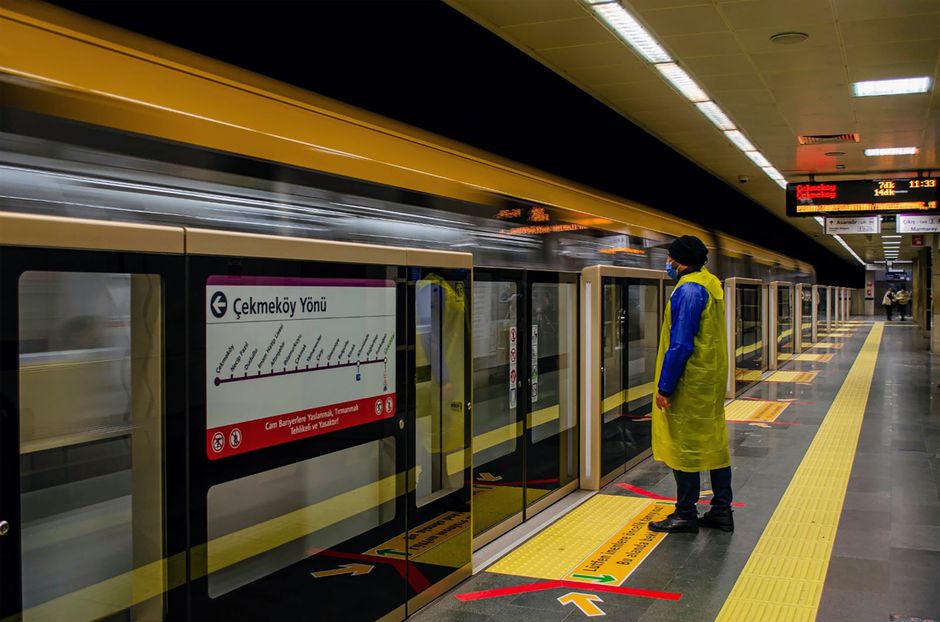
The municipality's Transport Coordination Centre released data showing that congestion on the E-5 highway has worsened by 23 percent compared to June 2025, while usage of the metro system remains constrained by aging infrastructure. Officials acknowledged that the planned extension of the M7 metro line toward Başakşehir, budgeted at 45 billion Turkish lira, faces delays that could push completion beyond 2028.
Dr. Mehmet Kaya from Istanbul Technical University's Urban Planning Department emphasized that the city's current approach relies too heavily on private vehicle infrastructure. "We're expanding roads that fill within months," he noted in recent remarks to local media. "The real solution requires integrated public transport pricing and stricter congestion charging in central districts like Şişli and Beşiktaş." His position reflects growing academic consensus that demand management, not supply expansion, offers the most viable path forward.
However, the Chamber of Commerce and Industry, representing thousands of businesses dependent on rapid goods movement, has pushed back against congestion pricing proposals. Their representatives argued that implementation would devastate logistics firms operating from the industrial zones around Aksaray and Zeytinburnu, where warehousing costs already consume 18 percent of operational budgets.
The municipality's recent pilot program introducing dedicated bus lanes on the Bağdat Avenue corridor in Kadıköy showed modest success, reducing average bus journey times by 12 minutes. Yet expansion to other major arteries remains politically fraught, with shop owners on busy commercial streets fearing reduced customer access.
Environmental advocates have seized on the crisis as an opportunity. The Istanbul Environmental Platform called for accelerated implementation of the municipality's cycling infrastructure plan, which currently allocates only 2.3 percent of annual transport budgets to bike lanes despite the city's topographical challenges.
Meanwhile, ferry services operated by IDO continue to attract new passengers—ridership on the Eminönü-Kadıköy route increased 8 percent year-on-year—suggesting water-based transport deserves greater investment attention. Officials at Istanbul Metropolitan Municipality suggested a review of ferry scheduling and capacity by autumn.
The consensus among experts remains elusive, but one point unites officials and analysts: incremental adjustments will no longer suffice for a city of 16 million.
This article was compiled by AI from the sources linked above and screened before publishing. See our editorial standards.