Istanbul's environmental transformation is being measured in concrete figures that tell a story of ambition, progress, and persistent challenges. As Turkey's largest metropolitan area grapples with the demands of 16 million residents, city administrators and environmental groups are increasingly relying on hard data to track whether sustainability initiatives are delivering real results.
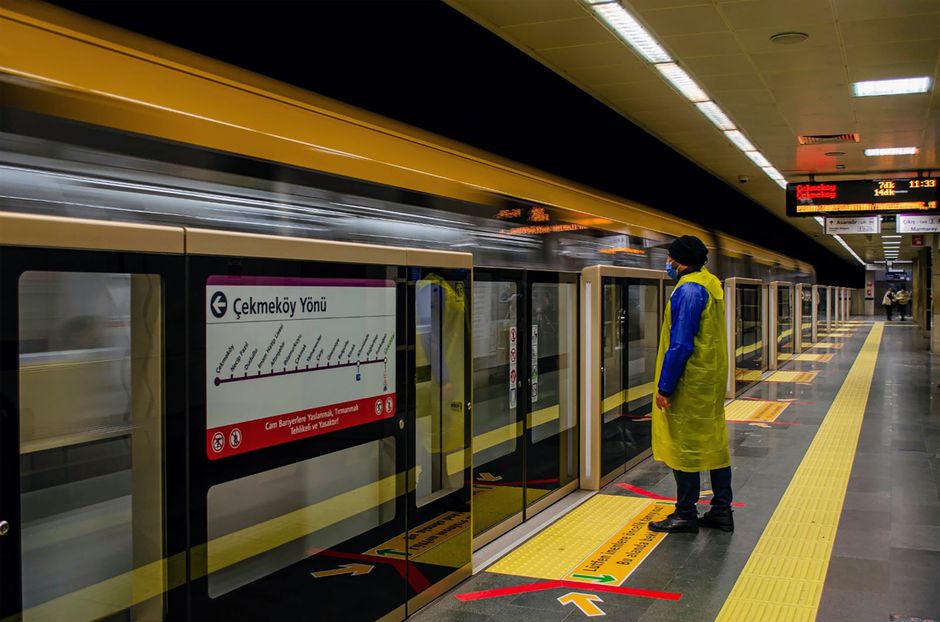
The numbers paint a mixed picture. According to the Istanbul Metropolitan Municipality's latest environmental report, the city reduced its carbon emissions by 12.3% between 2022 and 2025—exceeding the initial target of 8% over the same period. Public transportation expansion played a crucial role: the metro system added 47 kilometres of track, carrying an additional 340 million passenger journeys annually. The Marmaray commuter rail recorded 285 million trips in 2025, up from 198 million in 2022.
Yet waste management statistics reveal grinding problems. Istanbul generates approximately 23,000 tonnes of municipal solid waste daily, with only 34% currently diverted from landfills through recycling and composting. The city's 2025 target of 45% diversion has been missed. Landfill capacity at Kemerburgaz, on the city's outskirts, is projected to reach maximum capacity by 2029, creating an urgent infrastructure crisis.
Water conservation presents perhaps the starkest challenge. Per capita daily water consumption in Istanbul stands at 185 litres, compared to the European Union average of 132 litres. Despite public awareness campaigns, consumption has barely declined. Leakage from the city's aging water distribution network—which stretches over 18,000 kilometres across Beyoğlu, Fatih, Kadıköy and beyond—accounts for approximately 480 million cubic metres annually, or roughly 28% of all water entering the system.
Green space expansion shows modest gains. Istanbul has increased park coverage by 3.2 percentage points since 2023, bringing the city to 8.1% of its total land area. The municipality aims for 12% by 2030. The Kağıthane Creek restoration project, running through northern districts, has improved water quality metrics by 23%, though biodiversity recovery remains limited.
Solar energy adoption has accelerated dramatically. Rooftop installations across residential and commercial buildings increased 156% year-on-year, with capacity now standing at 412 megawatts. Energy generated from renewables contributed 4.8% to the city's total electricity consumption in 2025.
These statistics underscore a fundamental truth: Istanbul's sustainability journey is measurable, monitored, and increasingly transparent. Whether the city can close the gap between its ambitions and its performance in the critical areas of waste and water will determine whether these headline numbers represent genuine transformation or merely incremental progress in a city that cannot afford to slow down.
This article was compiled by AI from the sources linked above and screened before publishing. See our editorial standards.