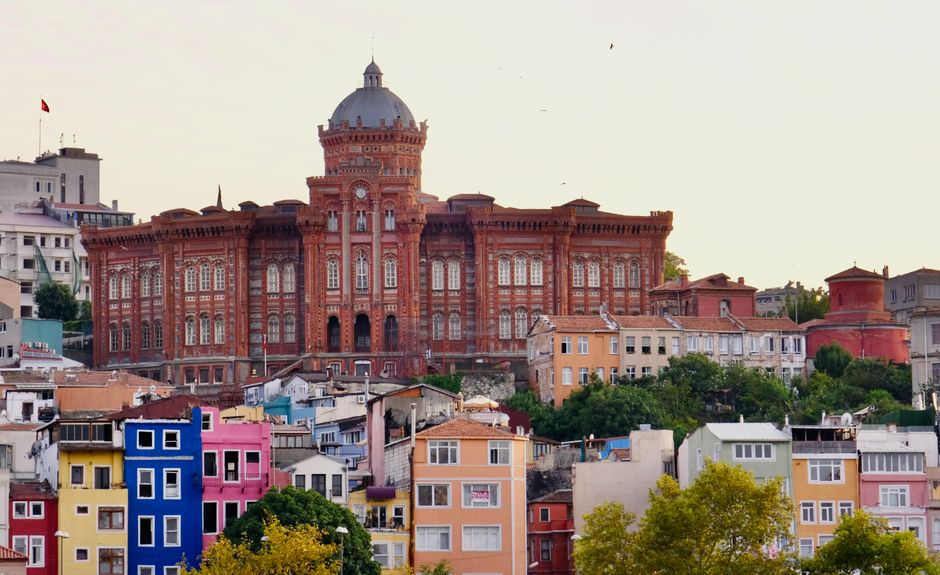
Standing on the wooden platforms that jut into the Golden Horn near Eyüp, fisherman Mehmet Yılmaz gestures toward the murky water below. "Twenty years ago, I could see fish from here," he says, his weathered hands gripping a net he rarely uses anymore. "Now? The water is grey. My grandson won't even wade in it." His frustration echoes a growing chorus of voices from Istanbul's waterfront communities who say the city's much-publicized environmental initiatives aren't translating into meaningful change where people actually live.
The Golden Horn—the historic inlet that has defined Istanbul's identity for centuries—remains one of the city's most visible environmental casualties. Recent water quality tests conducted by independent researchers revealed nitrogen levels 40 percent above safe thresholds, while microplastic concentrations have nearly tripled since 2020. For residents of densely packed neighborhoods like Balat and Fener, where centuries-old wooden homes overlook the water, the crisis has become impossible to ignore.
Ayşe Demir, who runs a small textile workshop in Balat employing twelve people, points to industrial discharge pipes visible from Cankurtaran Street. "The municipality talks about green initiatives and sustainable tourism, but nothing changes here," she says. "We're told to recycle, to reduce our footprint, while factories dump directly into our water." Her sentiment reflects a common complaint: that Istanbul's sustainability agenda—which includes ambitious plans to reduce carbon emissions by 30 percent by 2030—focuses on headline-grabbing projects while neglecting the grinding reality of neighborhood-level pollution.
Not all efforts have stalled. The Eyüp Municipality's recent pilot program placing 200 smart waste bins across local markets has shown modest success, with waste separation improving to roughly 35 percent compliance. Yet residents note this remains a drop in a much larger problem. The city generates approximately 29,000 tons of waste daily, and much of it still finds its way into informal dumping sites and waterways.
Environmental groups working in the area, including the Istanbul Water Foundation, have begun organizing community monitoring initiatives, training residents to document pollution incidents with photographs and GPS coordinates. "Top-down solutions have failed," explains foundation coordinator Deniz Kara. "We're empowering communities to become watchdogs and advocates for their own neighborhoods."
For Yılmaz and thousands like him, the message is clear: sustainability initiatives mean little without genuine accountability and visible improvements in the places where Istanbul's most vulnerable residents live and work. Until then, the Golden Horn will remain a symbol not of progress, but of broken promises.
This article was compiled by AI from the sources linked above and screened before publishing. See our editorial standards.