Istanbul has become an unlikely laboratory for urban migration policy. With an estimated 1.2 million Syrian refugees, 300,000 Afghan migrants, and significant communities from Pakistan, Iraq, and beyond, the city now hosts a foreign-born population equivalent to entire nations. Yet its management strategy diverges sharply from Western integration models, revealing both pragmatic innovation and structural tensions.
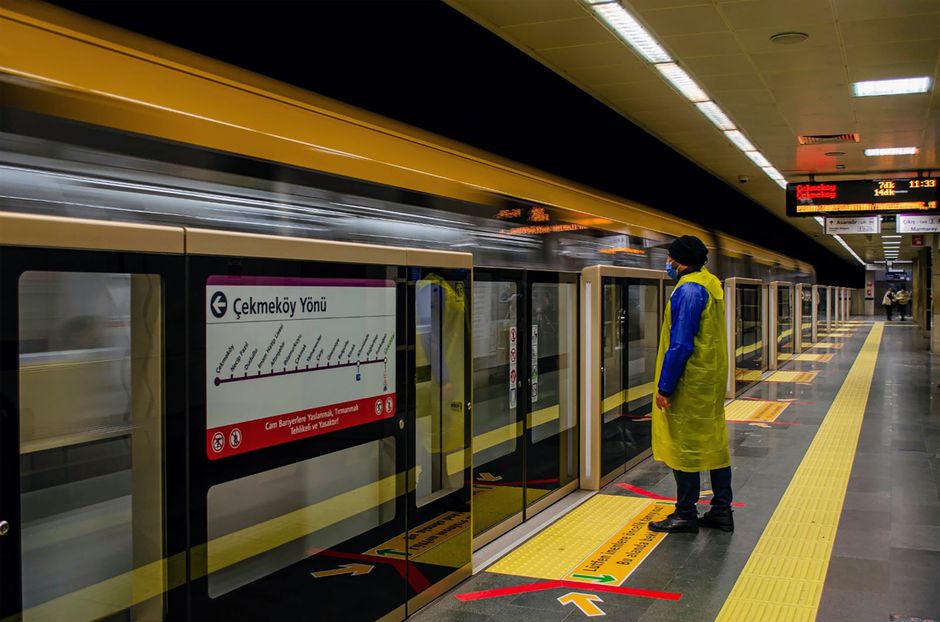
Unlike Berlin, where municipal integration programmes provide language courses and credential recognition, Istanbul relies heavily on informal economic absorption. In Fatih and Aksaray—neighbourhoods that have transformed into de facto migration hubs—newcomers integrate through business networks rather than state-led pathways. The Marmaray metro line, which connects European and Asian sides, has inadvertently created informal trading zones where migrant entrepreneurs operate with minimal licensing oversight. Property rental in these areas typically costs 8,000-12,000 Turkish lira monthly, significantly cheaper than established districts like Beyoğlu or Beşiktaş.
This pragmatism contrasts with Toronto's multicultural institutional framework or Madrid's municipal integration committees. Istanbul has no equivalent to Canada's formal settlement services. Instead, community organisations like the Migrant Solidarity Association operate from modest offices near Taksim Square, relying on volunteer networks and NGO funding rather than government budgets.
The challenges are evident. Language barriers persist—Turkish instruction remains inconsistent and underfunded. Healthcare access in Fatih clinics strains under demand, with appointment waits extending to three weeks. Meanwhile, far-right political movements have gained traction, mirroring patterns in European cities grappling with similar demographic shifts.
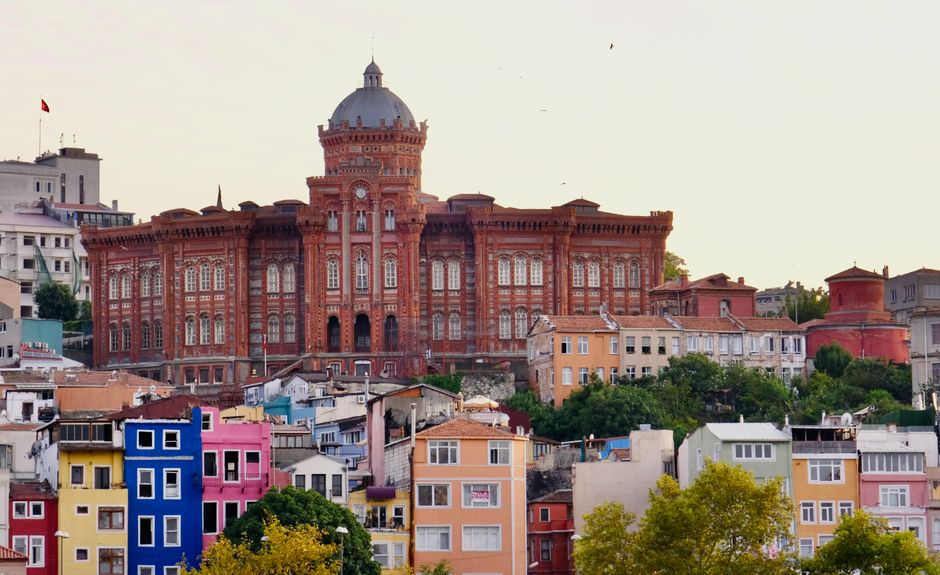
Yet Istanbul demonstrates unexpected resilience. Mixed neighbourhoods like Balat—historically Jewish and Greek, now increasingly Afghan and Syrian—maintain cultural vibrancy without the segregation seen in some European suburbs. The Grand Bazaar and Spice Bazaar employ thousands of migrants across multiple generations, creating informal mentorship structures absent in cities with higher welfare-state provisions.
The critical difference lies in expectations. Istanbul doesn't promise citizenship pathways or long-term social integration; migrants come with clear economic intentions and often plan eventual return. This transactional clarity reduces some integration pressures but creates others—limited incentives for language acquisition or civic participation leave migrants vulnerable to exploitation.
As global displacement accelerates, Istanbul's model offers neither the institutional scaffolding of Canada nor the market-driven exclusion of some European cities. Instead, it presents a third way: organic, informal, and fundamentally economically driven. Whether this proves sustainable as political pressures mount remains the critical question shaping not just Istanbul's future, but that of migration-receiving cities worldwide.
This article was compiled by AI from the sources linked above and screened before publishing. See our editorial standards.