Istanbul's chronic housing shortage moved sharply into the spotlight this week as the Metropolitan Municipality released its revised zoning framework, potentially reshaping development patterns across the city's most contested neighbourhoods. The announcement, made during Tuesday's planning committee session, represents the most significant policy shift since 2019 and addresses affordability concerns that have pushed average rents to 45,000 Turkish liras monthly in central districts.
The new regulations specifically target mixed-use development along the Taksim-Beyoğlu corridor and waterfront areas in Kadıköy, where gentrification has priced out long-term residents. Officials indicated that developers will now face incentives—including density bonuses and accelerated permit processing—in exchange for including affordable units in new residential projects. The municipality also announced stricter controls on short-term vacation rental conversions, a response to complaints from neighbourhood associations that platforms like Airbnb have depleted the traditional housing stock.
"We're seeing displacement accelerate in historically working-class areas," noted experts at the Istanbul Urban Institute during Wednesday's stakeholder briefing. Rents in Balat and Fener have tripled over five years, driving families toward outer zones like Esenyurt and Bahçelievler, where commute times now exceed 90 minutes to central employment hubs.
The timing reflects mounting pressure from civil society groups. Last month, housing advocates occupied an empty development site in Tarlabaşı to protest investor-driven speculation. The municipality's new framework attempts to balance commercial interests with livability concerns, though critics argue the affordability requirements remain insufficient—developers must reserve only 15 percent of units below market rates, compared to 25 percent in comparable European cities.
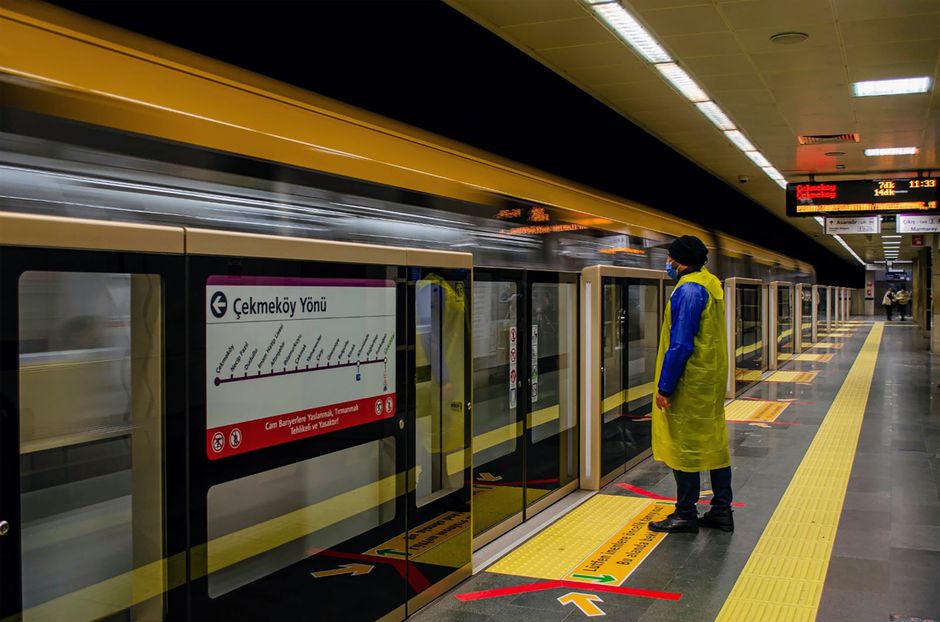
Parallel initiatives emerged this week as well. The Fatih District Council approved a heritage preservation programme protecting 2,800 buildings in the Old City, preventing demolitions for luxury conversion projects. Meanwhile, Istanbul's Department of Transportation announced plans for enhanced metro connectivity to outer neighbourhoods, potentially increasing housing viability in areas currently underserved by public transit.
Real estate analysts expressed cautious optimism. "The policy signals genuine intent to moderate price growth," one sector representative stated, though market observers note Istanbul still lags behind peer cities in social housing provision. Currently, public housing comprises less than 3 percent of the city's residential stock.
The full zoning amendments require municipal council approval by August, with implementation slated for October. Stakeholders have until Friday to submit formal comments—a critical window for residents and advocacy groups seeking to shape Istanbul's urban future.
This article was compiled by AI from the sources linked above and screened before publishing. See our editorial standards.