Istanbul's Transport Crossroads: Critical Decisions Loom ...
As the city grapples with record congestion, planners face hard choices about funding priorities, timeline delays, and whether ambitious mega-projects can actually be completed.
As the city grapples with record congestion, planners face hard choices about funding priorities, timeline delays, and whether ambitious mega-projects can actually be completed.
Istanbul stands at a pivotal moment in its infrastructure planning. With the metropolitan area now exceeding 16 million residents and daily traffic congestion costing the economy an estimated 64 billion lira annually, city administrators and transport officials must decide which projects advance and which face indefinite postponement.
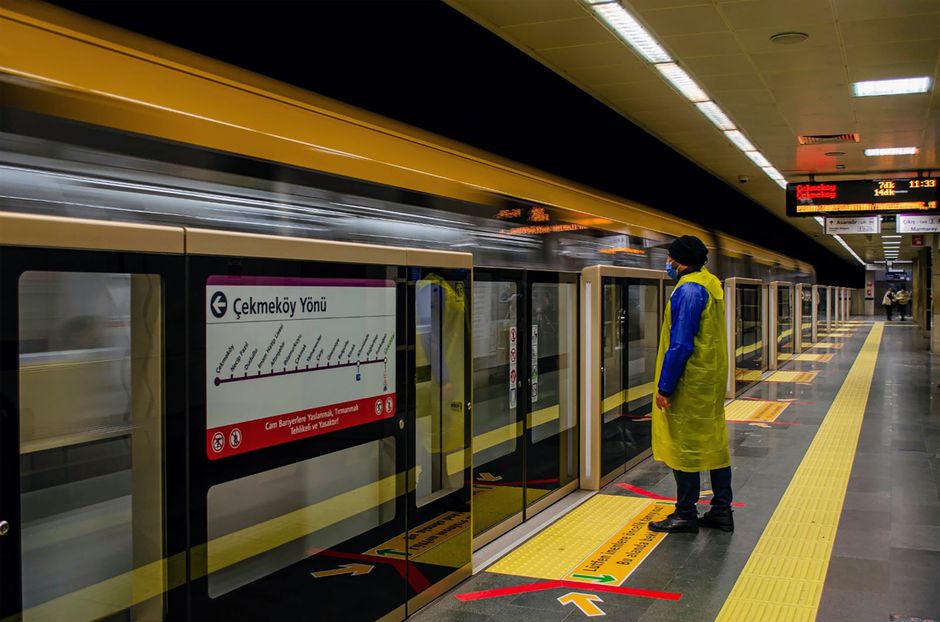
The most pressing question concerns the completion timeline for the ongoing metro expansions. The Kayaşehir-Söğütlüçeşme line, originally scheduled for full operation in 2024, remains partially incomplete, with sections between Bahçeşehir and Esenyurt still under construction. Officials must now commit to either accelerated timelines—requiring significantly increased budgets—or accept further delays that would leave commuters reliant on increasingly congested surface transport.
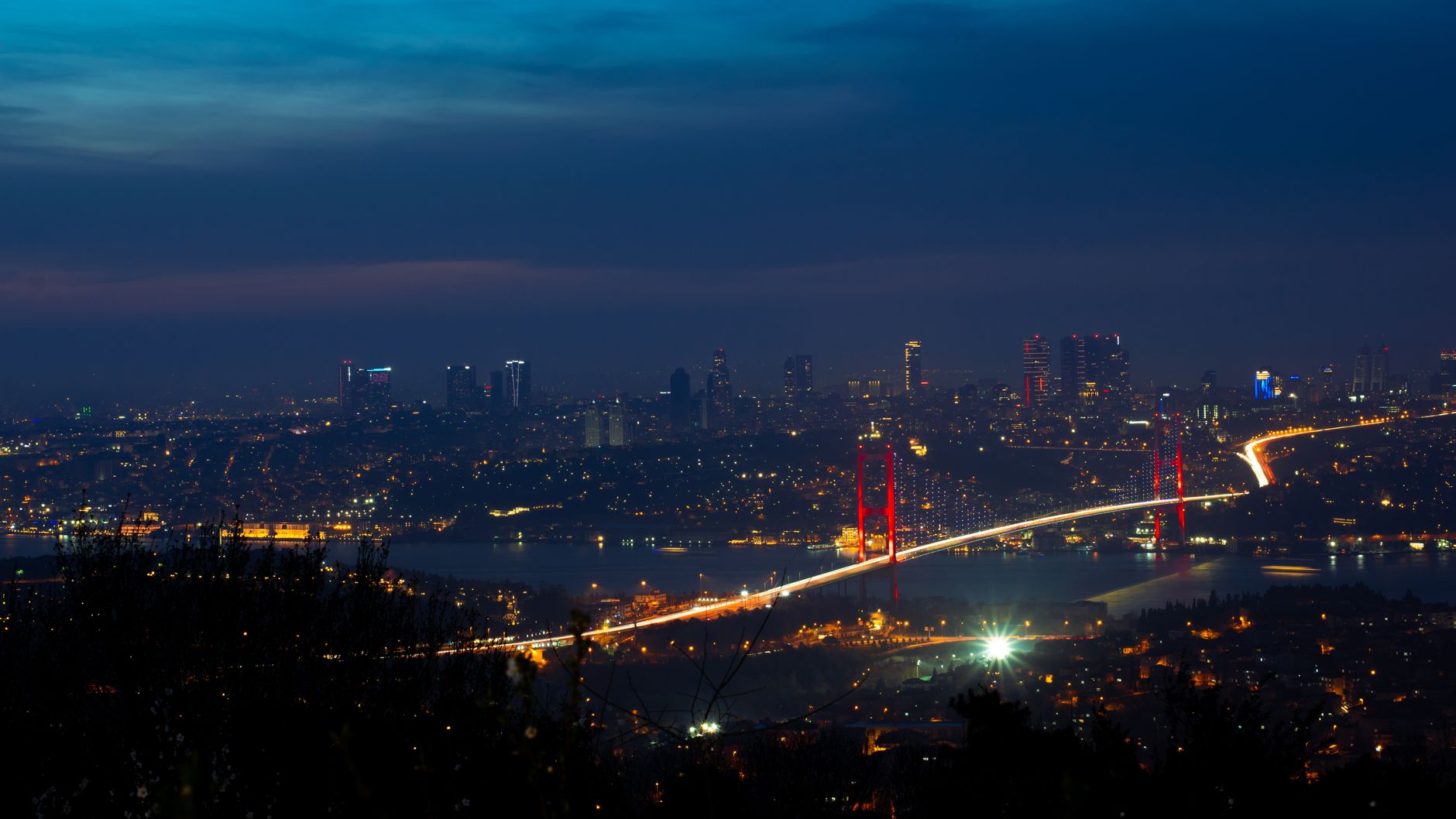
Equally contentious is the proposed third Bosphorus link, the controversial Canal Istanbul project's scaled-down successor. Transport planners acknowledge that a third crossing remains necessary; projections suggest the existing Bosphorus bridges will reach capacity within five years. Yet the financial burden—estimated at 250 billion lira—forces a binary choice: proceed with a traditional bridge spanning from Poyrazköy to the Asian side, or pursue more modest ferry expansions and dedicated bus lanes on existing infrastructure.
The situation is further complicated by the Marmaray commuter rail network's capacity constraints. Running at 105 percent capacity during peak hours, the system desperately needs expansion, yet the railway authority and metropolitan municipality have yet to finalize which route extensions—whether through Pendik, Gebze, or Halkalı corridors—should receive priority funding.
Beyond metros and bridges, the planned modernization of Taksim Square and its surrounding transport hub remains mired in design disputes. Should the project emphasize pedestrianization and cultural preservation, or prioritize underground transit connectivity? The Cihangir and Beyoğlu district councils cannot reach consensus, effectively freezing decisions.
Perhaps most critically, officials must address whether Istanbul's fragmented governance structure—split between the metropolitan municipality, Anatolian side administration, and separate transport authorities—can coordinate effectively enough to complete any major project. Recent audits revealed 18 months of delays on the Ümraniye-Ataşehir metro section due to inter-agency communication failures.
City planners have signaled that a comprehensive transport strategy announcement is expected by August, likely involving difficult trade-offs. Expect heated debates about whether to prioritize east-west connections, north-south metro lines, or the Bosphorus crossing. For Istanbul's commuters and businesses, the next 60 days will determine whether the city finally arrests its transportation crisis or slides further into gridlock.
This article was compiled by AI and screened before publishing. See our editorial standards.
How does this story make you feel?
Spread the word
About this article
Published by The Daily Istanbul
Daily brief
Free, in your inbox before 7am. Weekdays.
More in News