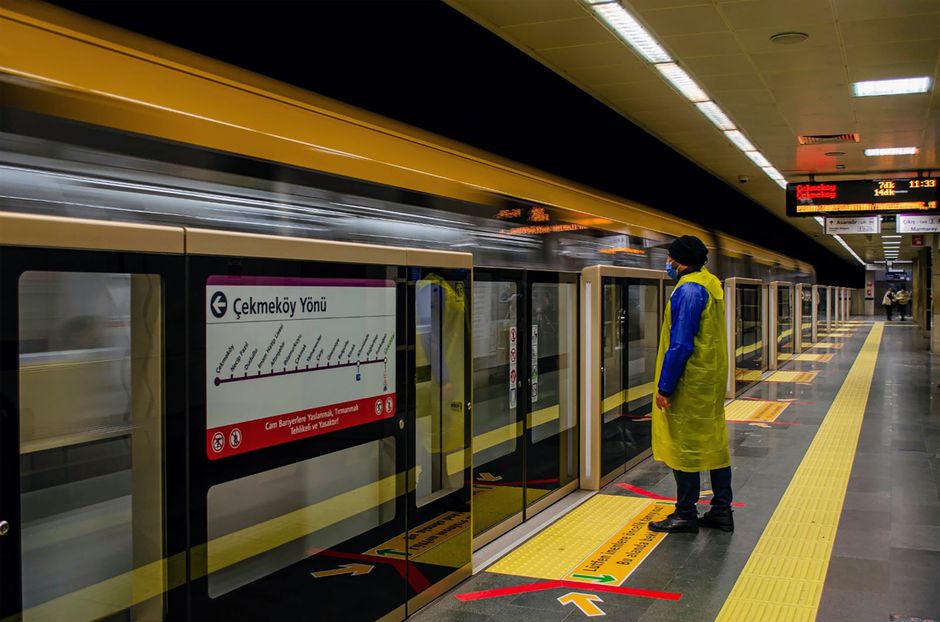
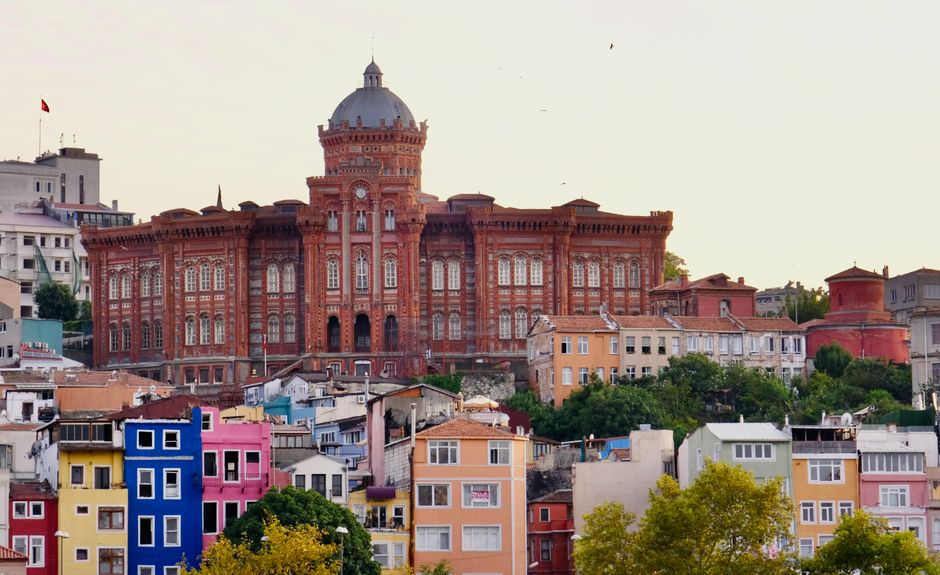
Walking through the narrow streets of Fatih district on a humid June afternoon, the reality of Istanbul's migration crisis becomes immediately apparent. Storefronts display Arabic script alongside Turkish, while residents navigate a complex web of legal status, economic uncertainty, and social integration—issues that rarely make headlines but profoundly shape life in Turkey's most crowded metropolis.
Community leaders and residents from the Syrian and Afghan diaspora communities estimate that roughly 800,000 migrants and asylum seekers now call Istanbul home, making it one of the world's largest displacement populations. Yet their voices remain largely absent from policy discussions shaping their futures.
At the Aile Destek Merkezi (Family Support Centre) on Millet Caddesi, social workers report that demand for their services has doubled since 2024. The centre, which provides free legal consultations and language classes, serves approximately 150 families weekly—far below the actual need. Rental costs in Aksaray, traditionally the most affordable neighbourhood for migrants, have surged 35 percent in two years, forcing families into increasingly cramped conditions.
One recurring concern shared by community representatives centres on employment restrictions. Many Syrian and Afghan residents describe working informal jobs—delivery services, construction, domestic work—that pay between 8,000 and 12,000 Turkish lira monthly, below the minimum wage of 17,002 lira. The precarity is compounded by seasonal volatility and zero job security.
The psychological toll emerges in conversations with organisers at Mülteci Dayanışması (Refugee Solidarity), a grassroots NGO operating from a modest office near Topkapi Palace. They describe rising anxiety among their clients about recent policy shifts and geopolitical tensions affecting migration routes through Central Asia and the Middle East.
Education presents another flashpoint. While Istanbul's public schools theoretically accommodate all children, overcrowded classrooms and language barriers mean many young migrants fall behind. Community members highlight the absence of adequate translation services and culturally responsive curriculum materials.
Yet amid these challenges, residents emphasise resilience and contribution. They point to small businesses they've established, community networks they've built, and the economic stimulus their labour provides—estimated at over 40 billion lira annually to Istanbul's economy.
As Turkey navigates its role in global migration dynamics, these voices from Fatih's crowded neighbourhoods and Aksaray's modest apartments offer crucial perspective often drowned out by political rhetoric. Their stories demand attention from policymakers and media alike.
This article was compiled by AI from the sources linked above and screened before publishing. See our editorial standards.