Istanbul's transport infrastructure is undergoing its most significant transformation in decades, yet the true scale of this reshaping often gets lost in political announcements and ribbon-cutting ceremonies. The numbers tell a different story—one of remarkable ambition, substantial investment, and profound urban change.
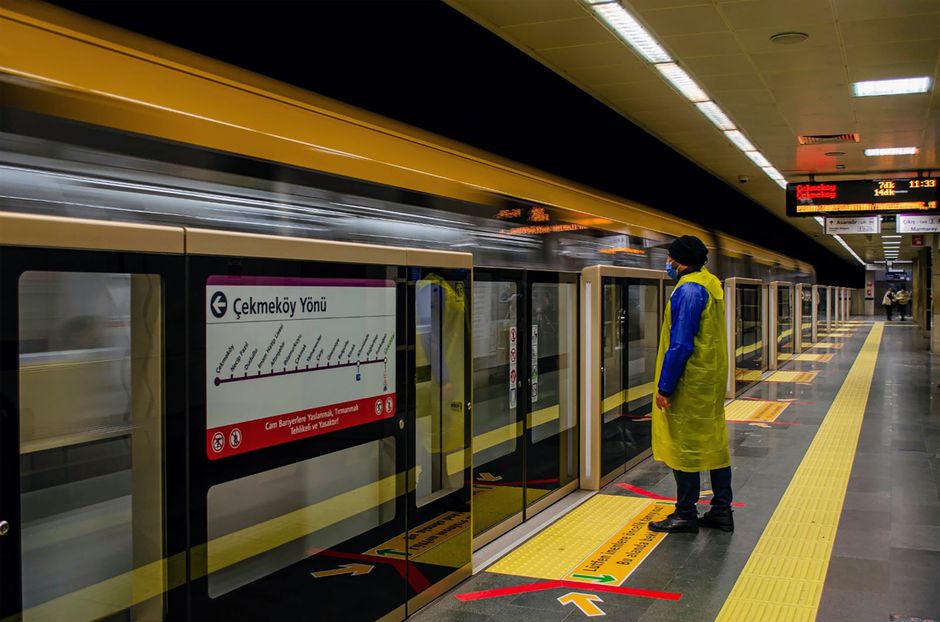
The Istanbul Metropolitan Municipality has committed approximately €15 billion across multiple transport projects through 2030. The metro system expansion represents the largest single investment: 112 additional kilometres of new lines are planned, with the Greater Istanbul Metro reaching 756 kilometres by decade's end. Currently, 556 kilometres of metro exist across four main lines, serving roughly 3.2 million daily passengers—a figure that has doubled since 2015, reflecting the system's critical role in the city's mobility.
Specific neighbourhood transformations illustrate the scale. The Başakşehir-Kayaşehir metro extension alone spans 23.6 kilometres and cost €2.1 billion, opening access to a district that housed just 145,000 residents in 2010 but now exceeds 680,000. Each new station in outer neighbourhoods like Halkalı and Pendik generates an estimated 15-25 per cent increase in local property valuations within 500 metres of the station entrance.
The Kaynarca-Gebze Light Rail Transit line represents another critical data point: 43.7 kilometres of track serving an industrial corridor that moves 189,000 passengers daily. Construction required relocating 347 businesses and 1,203 residential units, with compensation packages averaging €285,000 per property.
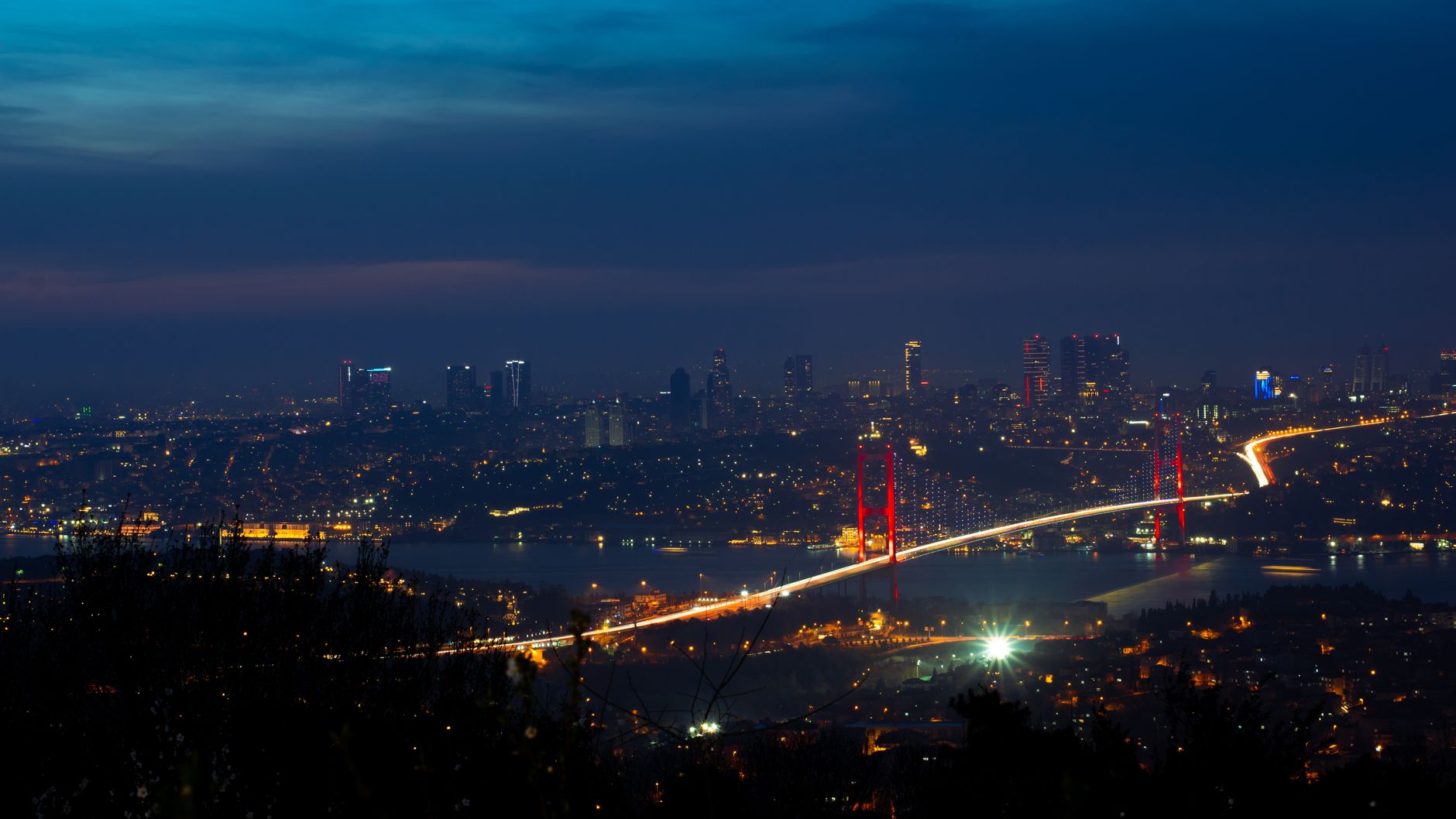
Road infrastructure investments total €4.2 billion, with the Northern Marmara Motorway expansion adding 165 kilometres of capacity. Traffic modelling suggests this reduces commute times from Sarıyer to the airport from 67 minutes to 41 minutes during peak hours. The Third Bridge, completed in 2016, now processes 180,000 vehicles daily—nearly double its initial traffic projections.
Bus rapid transit corridors have expanded to 148 kilometres, with 347 dedicated stations across the European and Asian sides. These routes carry 2.1 million passengers daily, making Istanbul's metrobus system the world's third-busiest by volume, after São Paulo and Mexico City.
The environmental data warrants attention too. Projected modal shift—moving 12 per cent more trips from private vehicles to public transport—could reduce transport-sector emissions by 847,000 tonnes annually by 2030, equivalent to removing 184,000 cars from circulation.
These numbers reveal infrastructure's unglamorous truth: success depends less on ceremonies than on concrete outcomes measured in commute times, accident reductions, and accessibility gains across Istanbul's 15 million residents.
This article was compiled by AI from the sources linked above and screened before publishing. See our editorial standards.