From Crisis to Action: How Istanbul's Environmental Movement Emerged From Decades of Neglect
Decades of industrial pollution and urban sprawl forced the city to confront its ecological reckoning, setting the stage for today's sustainability push.
Decades of industrial pollution and urban sprawl forced the city to confront its ecological reckoning, setting the stage for today's sustainability push.
Istanbul's current embrace of environmental initiatives didn't emerge overnight. Walk along the Golden Horn today and you'll see restoration efforts that represent a hard-won turning point—but understanding how the city arrived here requires looking back at the industrial devastation that defined the twentieth century.
For much of the 1970s and 1980s, the Golden Horn—once a thriving fishing ground—became a toxic dumping site. Factories in Eyüp and Balat pumped untreated waste directly into the water. Fish populations collapsed. Residents in surrounding neighbourhoods reported respiratory illnesses at alarming rates. By the early 1990s, environmental groups began documenting the damage: the water's pH levels were dangerously acidic, and heavy metals had accumulated in the sediment at concentrations that rendered the ecosystem nearly dead.
That crisis became a catalyst. In 1997, a coalition of environmental organisations, academic institutions, and local authorities launched the Golden Horn Rehabilitation Project—a multi-decade initiative that cost billions of Turkish lire and later euros. The results, visible today with restored waterfront promenades and returning bird species, represent one of Europe's most ambitious urban waterway recoveries.
The automobile explosion of the 1990s and 2000s created a secondary crisis. Istanbul's vehicle population surged from roughly 500,000 in 1990 to over 3.5 million by 2020. Air quality deteriorated sharply. Winter mornings in Fatih and Beşiktaş saw visibility drop to just metres. Studies linked the pollution to thousands of premature deaths annually across the metropolitan area.
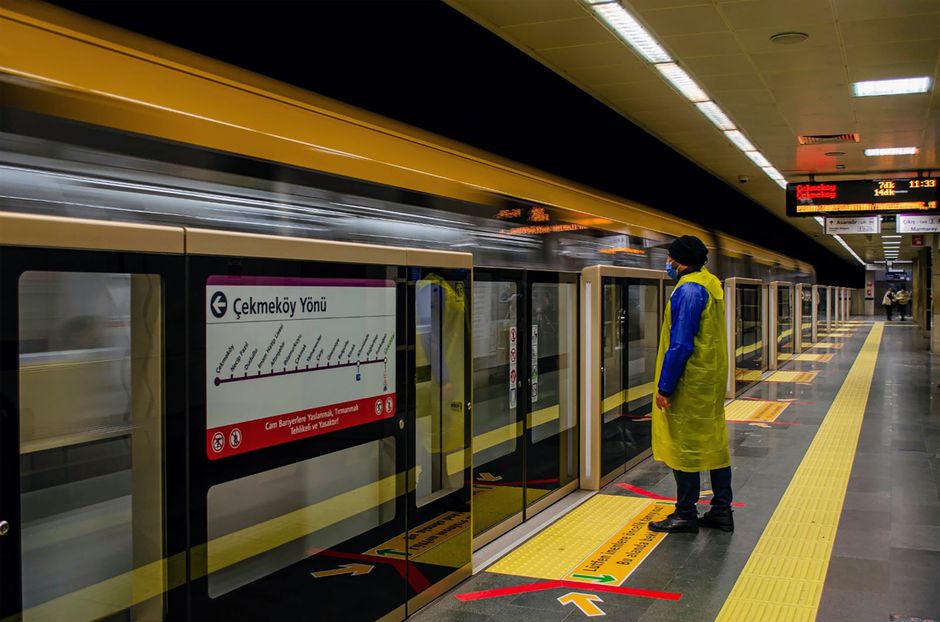
These twin disasters—water and air quality crises—forced a reckoning that institutions couldn't ignore. The Istanbul Metropolitan Municipality began investing in public transport infrastructure. The Marmaray rail tunnel, completed in 2013, represented the largest single investment in reducing vehicular congestion. Bus rapid transit lines expanded across Anatolian-side neighbourhoods like Ümraniye and Pendik.
Equally significant was grassroots pressure. Environmental NGOs like the Turkish Foundation for Combating Soil Erosion and the Izmir-based Aegean Environmental Coalition began organising community efforts. University departments at Boğaziçi and Istanbul Technical University documented problems with scientific rigour, lending credibility to activist demands.
Today's sustainability initiatives—from the city's renewable energy targets to waste reduction programmes in Kadıköy—didn't materialise from visionary planning. They emerged from accumulated crises, measurable failures, and the persistent work of communities refusing to accept a poisoned city. Understanding this history matters: it shows that change is possible, but requires confronting uncomfortable truths first.
This article was compiled by AI from the sources linked above and screened before publishing. See our editorial standards.
How does this story make you feel?
Spread the word
About this article
Published by The Daily Istanbul
Daily brief
Free, in your inbox before 7am. Weekdays.
More in News