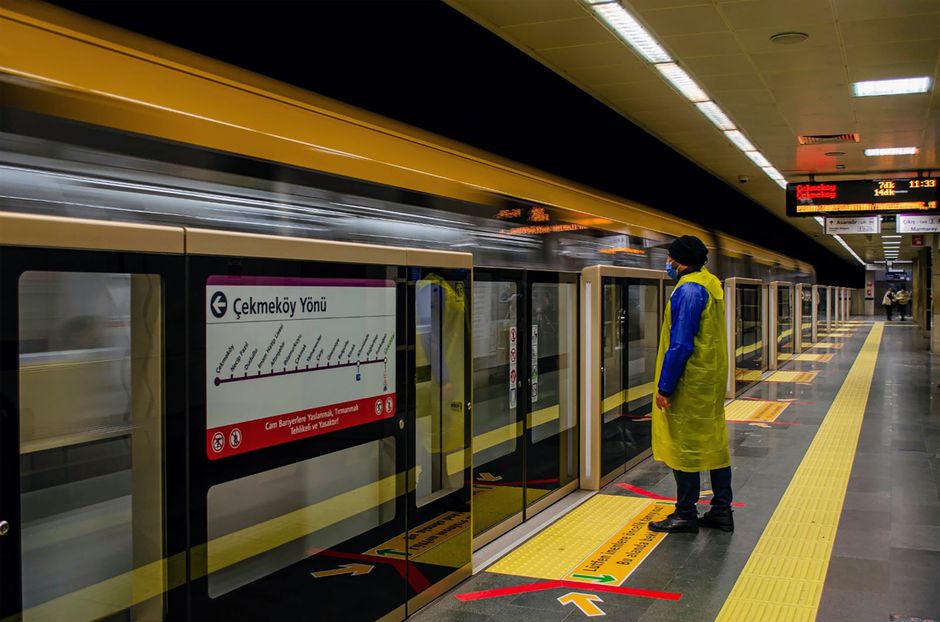
The announcement last month of accelerated funding for Istanbul's metro expansion has sparked genuine optimism among residents of outer neighbourhoods long plagued by congested minibus routes and hour-long commutes. Yet beneath the celebration lies a more complex reality about how infrastructure investment reshapes the fabric of daily life in Turkey's largest city.
The M7 extension toward Başakşehir, now targeted for completion by 2028, will finally connect thousands of residents who currently spend between 75 and 90 minutes daily navigating the E-5 highway corridor. Local shopkeepers along Tevfik Fikret Caddesi have already noticed property speculators circling—a sign of things to come. "Young families moved here because rent was affordable," says one long-time resident of the neighbourhood. "Now they're worried about what happens after the metro arrives."
Data from the Istanbul Metropolitan Municipality shows that similar expansions historically correlate with 35-45 per cent increases in local property values within three years of opening. In Pendik, where the M11 extension will add six new stations by 2029, this pattern is already visible. Rental prices near the proposed Pendik Sahil station have climbed 18 per cent in the past year alone.
The transport benefits are undeniable. Currently, residents in these areas spend roughly 620 Turkish Lira monthly on minibus fares; metro access could reduce this to approximately 280 Lira, a meaningful saving for working families. Journey times to central business districts like Levent and Maslak would compress from two hours to under 45 minutes.
But community leaders express legitimate concerns about displacement. The Başakşehir Residents Association has formally requested the municipality establish rent-control protections and affordable housing allocations near new stations—a request that remains unanswered. Similar anxieties ripple through Pendik's established neighbourhoods, where multi-generational families fear being priced out by development.
The infrastructure paradox is particularly acute in Istanbul. The city desperately needs modern transport to manage its 16 million residents and reduce air pollution—metro use generates 80 per cent fewer emissions per passenger than private vehicles. Yet the same projects that solve mobility crises often trigger gentrification cycles that hollow out the very communities they were designed to serve.
As construction crews prepare to break ground across Başakşehir in July, residents face an uncomfortable truth: better infrastructure doesn't automatically guarantee better lives for everyone currently living there. The question facing Istanbul's decision-makers is whether this expansion can deliver on both promises—improved mobility and community stability. So far, the answers remain frustratingly incomplete.
This article was compiled by AI from the sources linked above and screened before publishing. See our editorial standards.