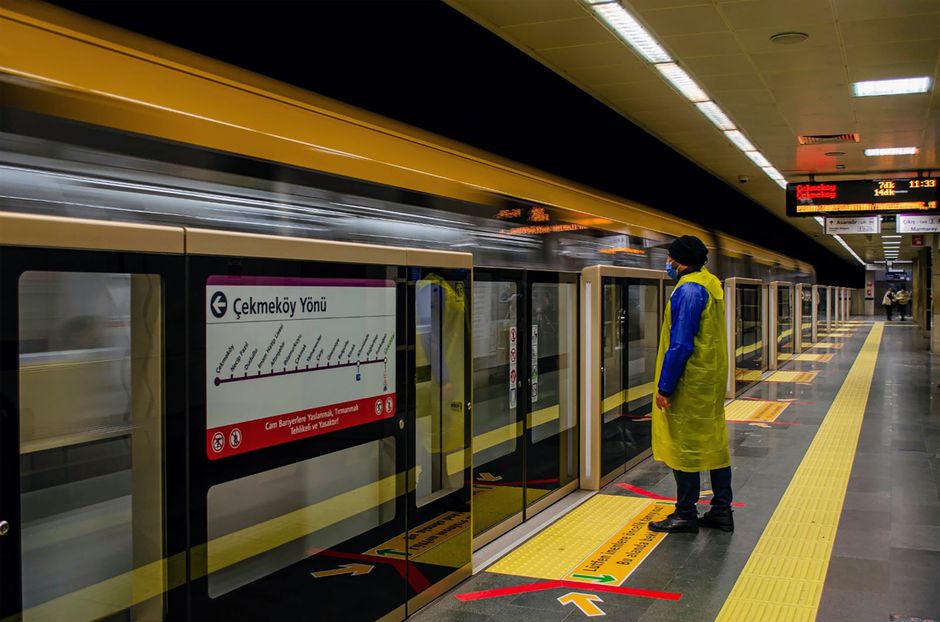
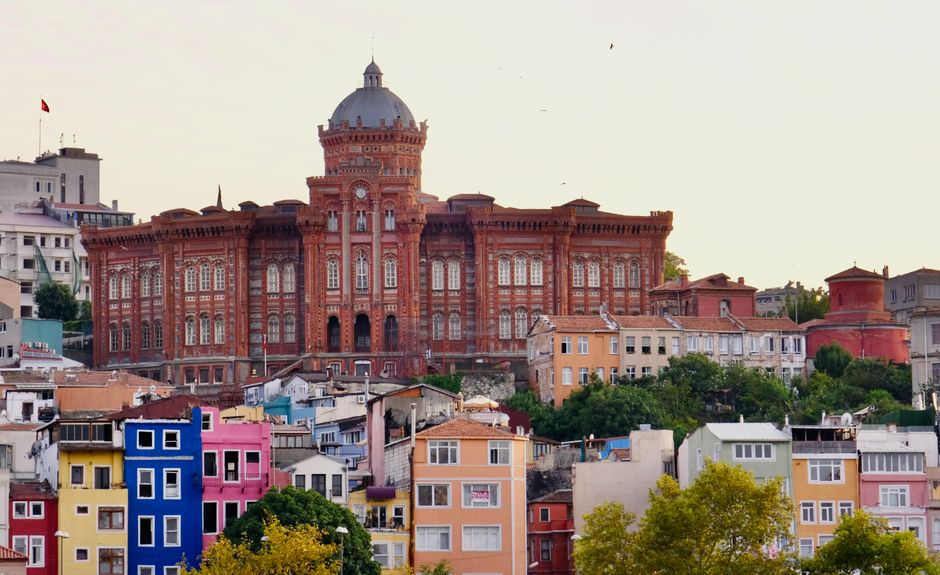
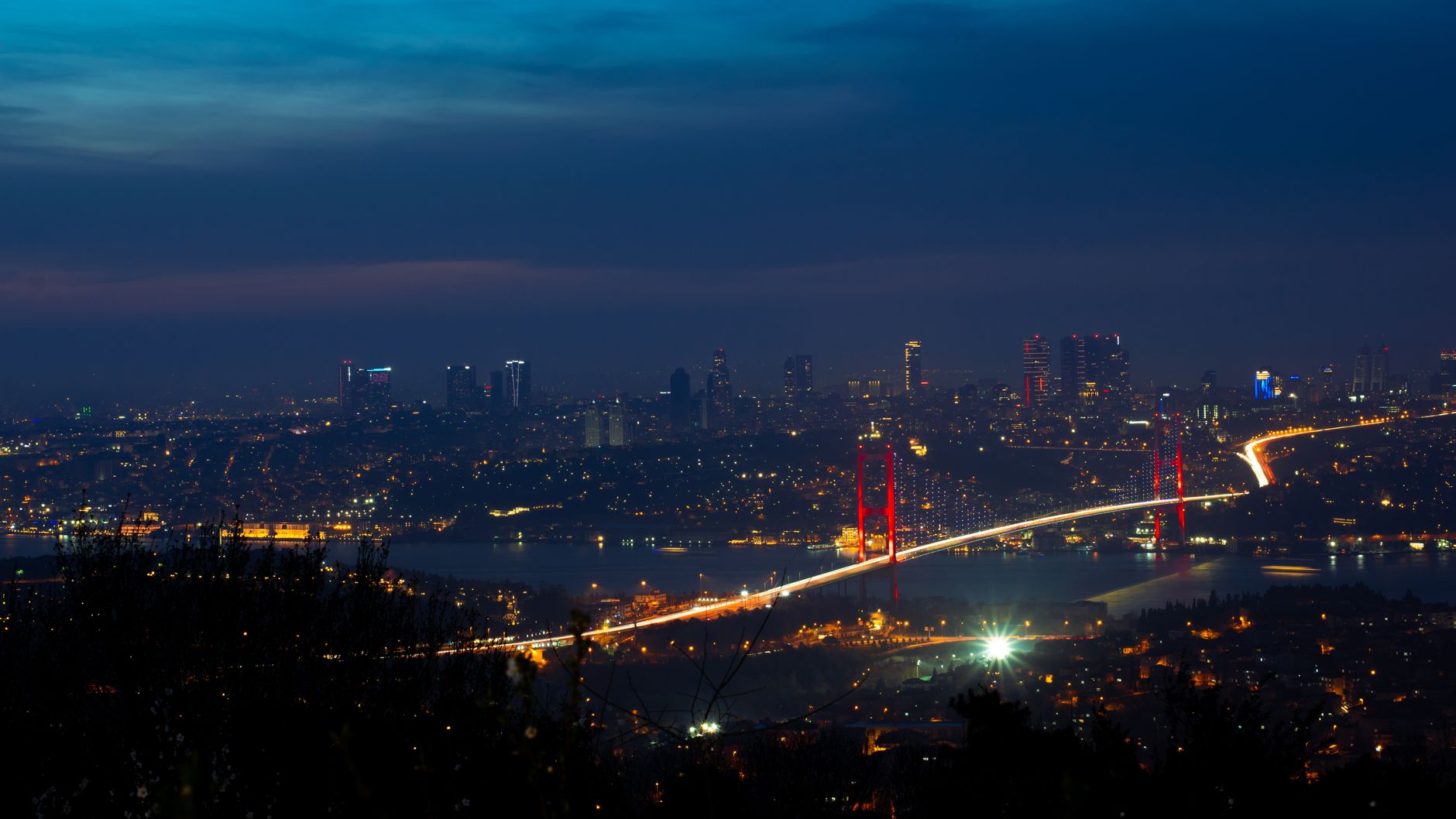
Istanbul's commitment to sustainability has intensified this year, with the city launching expanded electric bus fleets across the Golden Horn ferry routes and introducing stricter waste segregation protocols in neighbourhoods like Beyoğlu and Kadıköy. Yet questions remain about whether these measures keep pace with peer cities facing similar pressures of rapid urbanisation and coastal vulnerability.
The municipal government has deployed 850 electric buses since 2024, targeting 2,000 by 2028—a figure that trails Barcelona's 1,100 e-buses already operational, but edges ahead of Singapore's phased 850-unit rollout across the same timeline. Istanbul's average air quality index remains stubbornly elevated at 89 micrograms per cubic metre during peak summer months, compared to London's 52 and Barcelona's 48, according to independent monitoring data.
In waste management, Istanbul's newly mandated source-separation system has achieved roughly 18 per cent recycling rates in central districts, mirroring efforts in Mediterranean cities. However, the €3.2 billion Solid Waste Facility near Silivri—handling 30,000 tonnes daily—continues drawing criticism from environmental groups over landfill reliance. By contrast, Copenhagen's integrated circular-economy model has achieved 44 per cent waste diversion from landfills.
Water preservation presents perhaps the starkest comparison. Istanbul's three main reservoirs stand at 32 per cent capacity following four consecutive dry summers, threatening the city's 15 million residents. Singapore's aggressively engineered approach—combining desalination plants, rainwater harvesting, and recycled wastewater systems—has achieved complete water self-sufficiency. Istanbul's Fatih Sultan Mehmed Dam remains vulnerable to climate variability.
The city's green space strategy shows promise. The Neoloji Park development in Sarıyer and expanded waterfront restoration projects along the Bosphorus mirror initiatives seen in Barcelona and Copenhagen. Yet Istanbul's per-capita green space ratio of 1.4 square metres trails Barcelona's 5.8 and London's 7.2 significantly.
Municipal officials emphasise their constraints: rapid informal settlement expansion, competing economic priorities, and limited central government funding distinguish Istanbul's position from wealthier Western counterparts. The city's €1.8 billion environmental budget pales against London's €4.3 billion annual sustainability investment.
Still, local environmental organisations note genuine progress. Transit-oriented development initiatives near Taksim and Levent stations, coupled with bike-lane expansions, signal strategic shift. Whether Istanbul closes the sustainability gap with global leaders depends on sustained fiscal commitment and political will—resources currently divided across earthquake reconstruction and economic recovery efforts.
This article was compiled by AI from the sources linked above and screened before publishing. See our editorial standards.