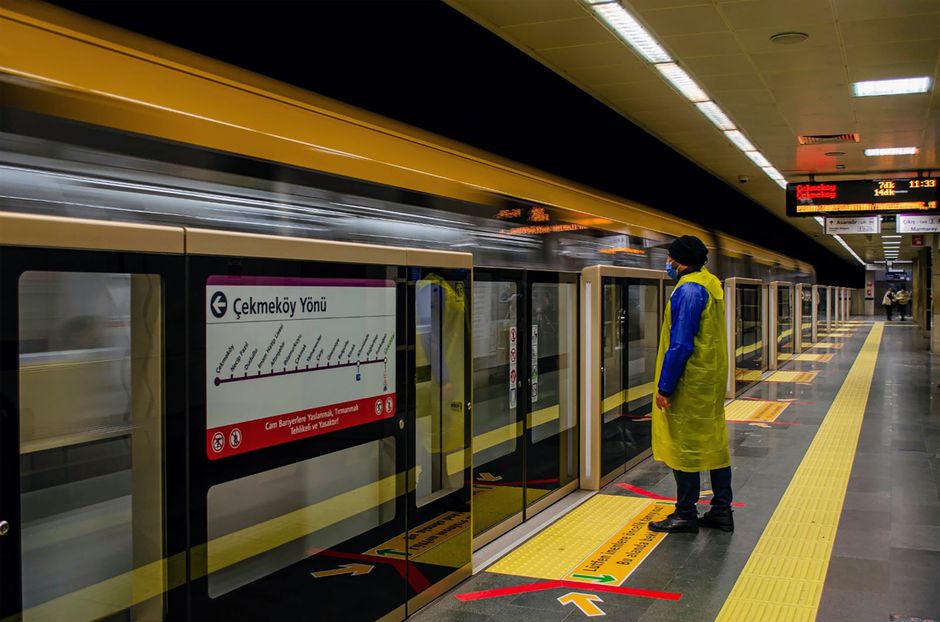
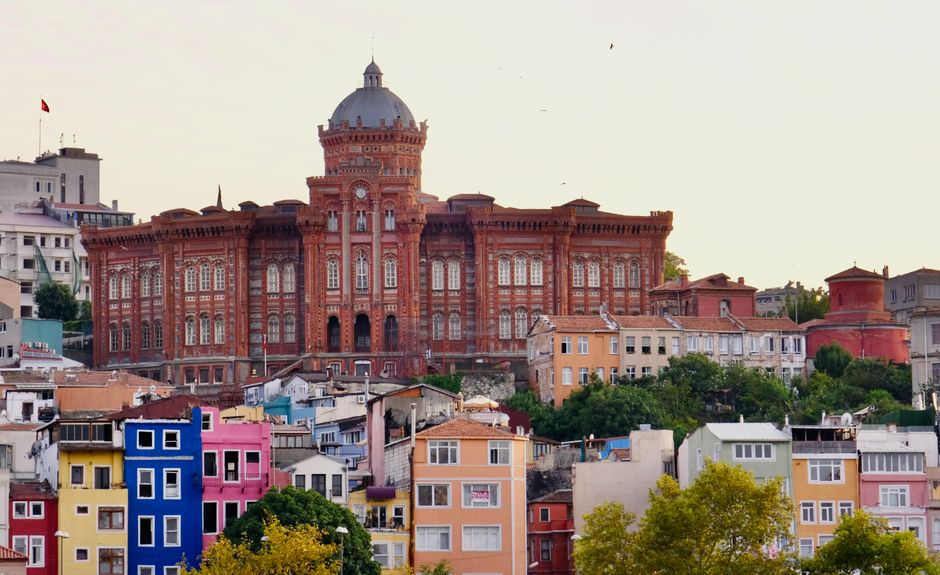
On a Tuesday morning in Fatih, the narrow streets around the Grand Bazaar pulse with a dozen languages. Afghan shopkeepers arrange carpets next to Syrian vegetable vendors, while Pakistani delivery riders navigate between German tourists and Iraqi construction workers. This tableau of coexistence, unremarkable to locals, has become the subject of serious academic inquiry across the Atlantic and beyond.
Istanbul hosts approximately 4.5 million residents, with official figures estimating 1.2 million migrants and refugees—roughly 27 percent of the population. Yet unlike Berlin, which struggles with parallel integration programs, or Toronto, where housing costs exceed $2,100 monthly for a modest two-bedroom apartment, Istanbul has developed an informal, market-driven model that sociologists now reference as surprisingly effective.
The difference lies partly in geography and economics. A one-bedroom flat in the migrant-dense neighbourhoods of Aksaray or Fatih costs between 450 and 700 euros monthly—a fraction of comparable Western cities. This affordability, paired with Istanbul's longstanding position as a crossroads civilization, creates conditions for organic integration.
"What we see here is adaptation rather than assimilation," explains Dr. Pınar Selek of Istanbul's Migration and Diversity Studies Center at Bilgi University. Established communities in Beyoğlu, Balat, and the European side have absorbed waves of newcomers without the resource-intensive programs that characterize Nordic models or the political backlash seen in parts of Germany and Hungary.
The Migrant Solidarity Association (Göçmen Dayanışma Derneği), headquartered near Taksim Square, coordinates informal support networks—job placement, language exchanges, and cultural events—with just 12 staff members and minimal government funding. Compare this to Frankfurt, where integration budgets exceed €40 million annually, or Sydney, where government immigration departments employ thousands.
However, challenges persist. Workplace exploitation remains common, with migrant laborers in construction earning 30-40 percent less than Turkish counterparts. Education access remains uneven; only 62 percent of migrant children attend secondary school. And tensions occasionally surface, as evidenced by sporadic incidents in Aksaray neighborhoods.
Still, informal networks prove resilient. Community-led initiatives in Karagümrük and Fener demonstrate that integration doesn't require massive bureaucratic infrastructure. Markets adapt, landlords rent, employers hire. The city absorbs migrants the way it has for centuries—not through policy frameworks alone, but through the messy pragmatism of urban survival.
As Western nations debate immigration policy, Istanbul's unwitting experiment—combining economic opportunity, cultural plurality, and low-cost living—suggests that successful multicultural cities may not always follow the playbook written in Brussels or Washington.
This article was compiled by AI from the sources linked above and screened before publishing. See our editorial standards.