Istanbul Public Transport Infrastructure: Marmaray Data Revealed
New Istanbul Metropolitan Municipality data reveals Marmaray ridership jumped 22% in three years. Explore how the Bosphorus railway transformed commute times from 94 to 64 minutes.
New Istanbul Metropolitan Municipality data reveals Marmaray ridership jumped 22% in three years. Explore how the Bosphorus railway transformed commute times from 94 to 64 minutes.
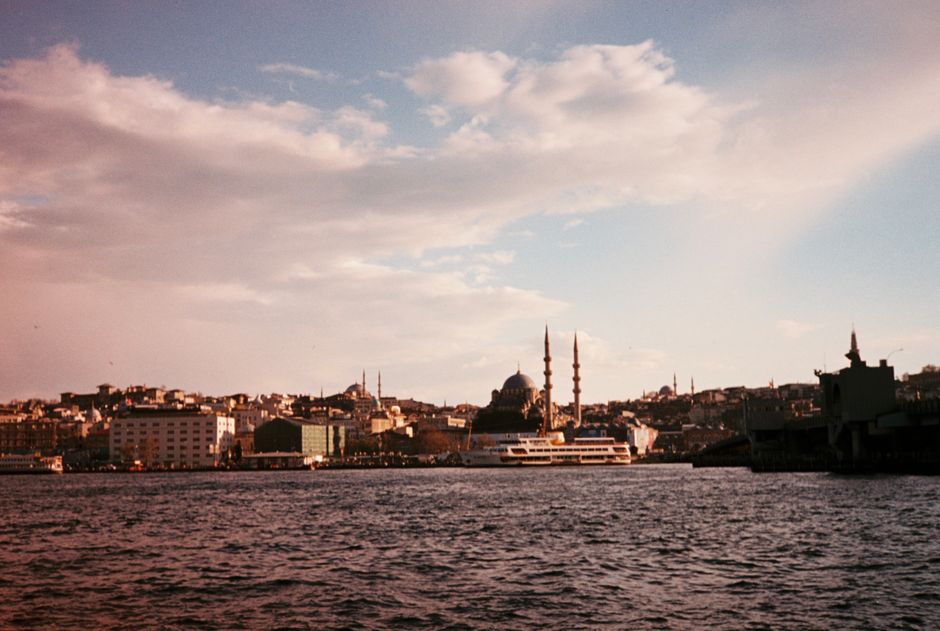
Istanbul is in the midst of an infrastructure metamorphosis that defies easy comprehension until you examine the raw data. The numbers tell a story of ambition, investment, and the logistical challenges of modernising a city straddling two continents.
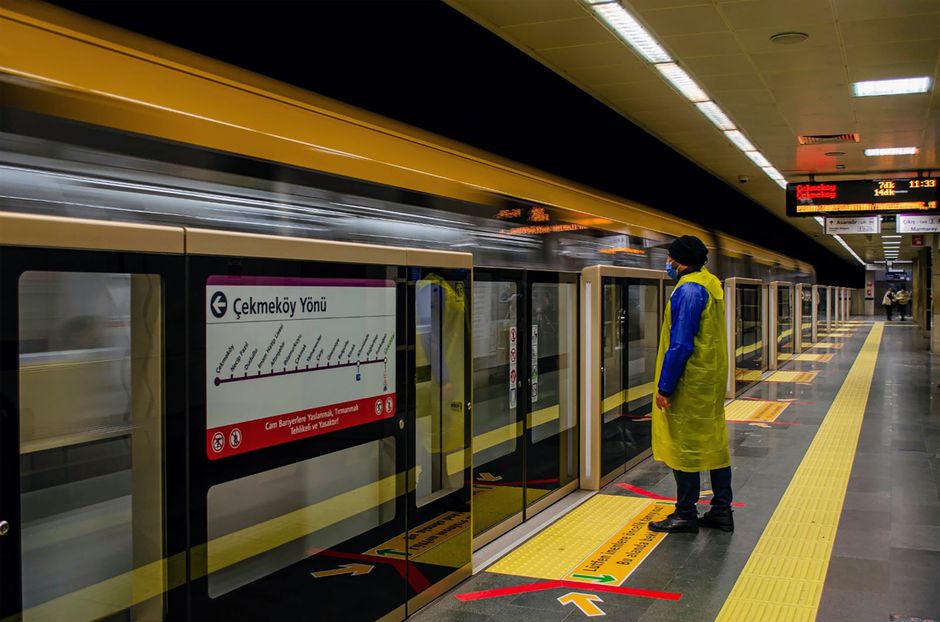
The Marmaray railway project, which opened in 2013, now carries approximately 750,000 daily passengers across the Bosphorus—a figure that has grown steadily from initial projections of 550,000. Over the past three years alone, ridership has climbed by 22 percent, according to data released by the Istanbul Metropolitan Municipality. The system now operates 16 trains per hour during peak times, with average journey times between Halkalı and Gebze reduced to 64 minutes, down from 94 minutes when motorists relied solely on congested road crossings.
The ongoing Istanbul Metro expansion presents equally staggering metrics. The current network spans 232 kilometres across 75 stations; by 2028, the municipality projects an additional 89 kilometres and 37 new stations. The total investment for completed and planned metro extensions exceeds 40 billion Turkish Lira—approximately €1.3 billion at current exchange rates. The anticipated annual cost of operations and maintenance runs to roughly 2.8 billion Lira, with labour comprising 41 percent of that figure.
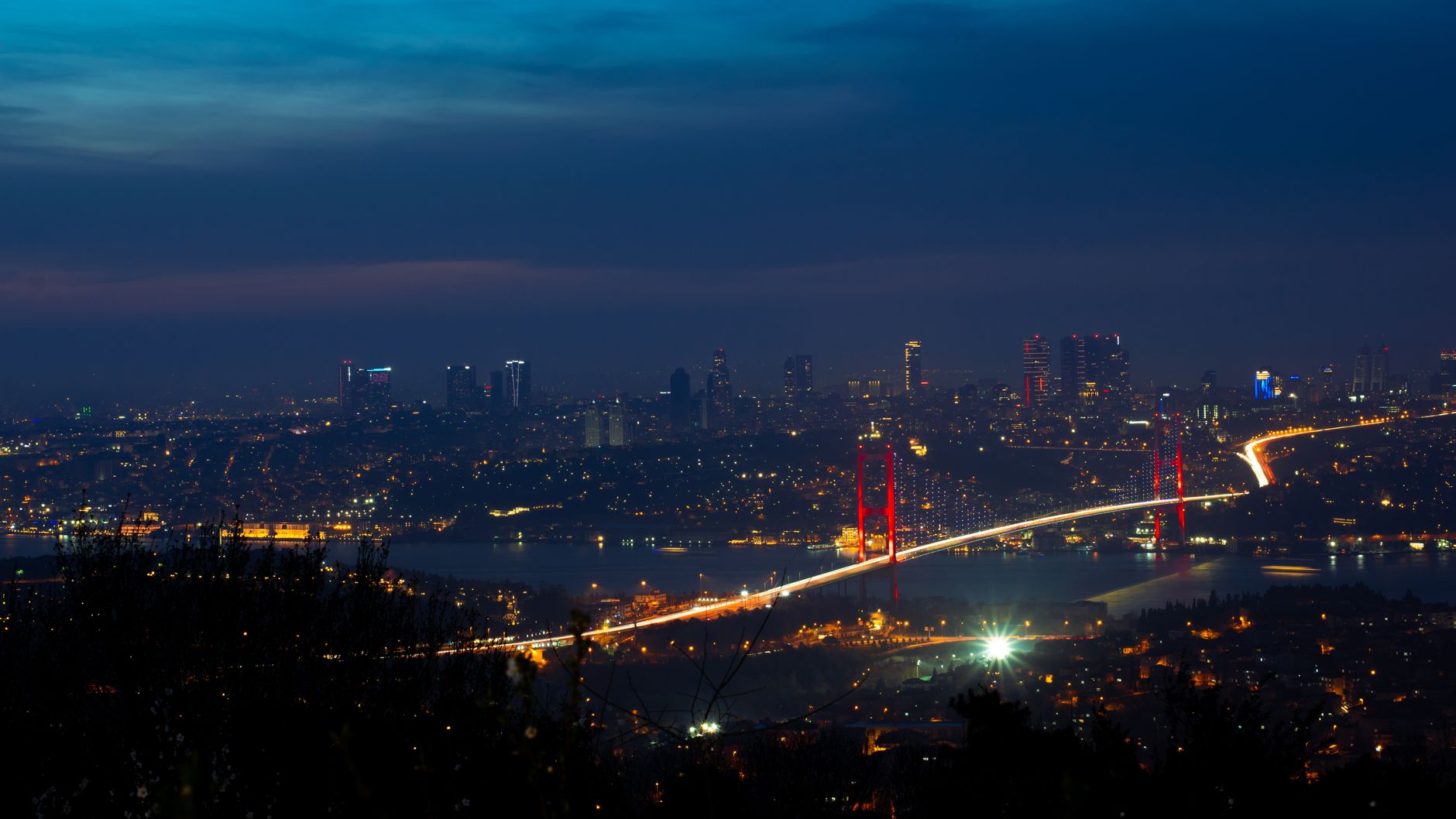
Road infrastructure tells a parallel story. The Northern Marmara Motorway, connecting E-5 routes through European Istanbul, spans 438 kilometres and cost 8.2 billion Lira to complete. Traffic volume analysis shows it has redistributed vehicle pressure from central arteries like the Fatih Sultan Mehmet Bridge, which previously handled 480,000 vehicles daily. Current counts show a 31 percent reduction, easing congestion in surrounding neighbourhoods from Beşiktaş to Üsküdar.
Yet these improvements mask ongoing challenges. The Third Bridge toll revenues, initially projected at 850 million Lira annually, have underperformed by 18 percent due to route alternatives and pricing sensitivity. Meanwhile, the planned 1,815-metre Kanal Istanbul waterway project—budgeted at 75 billion Lira—has generated fierce debate precisely because the financial projections remain opaque and environmental impact modelling incomplete.
Real estate markets have responded predictably. Property prices within 500 metres of new metro stations in developing areas like Pendik and Başakşehir have appreciated by an average 34 percent since 2023, far outpacing the citywide average of 16 percent. For ordinary Istanbullites, the mathematical reality is clear: infrastructure investment drives value, but not everyone benefits equally or immediately.
This article was compiled by AI from the sources linked above and screened before publishing. See our editorial standards.
How does this story make you feel?
Spread the word
About this article
Published by The Daily Istanbul
Daily brief
Free, in your inbox before 7am. Weekdays.
More in News