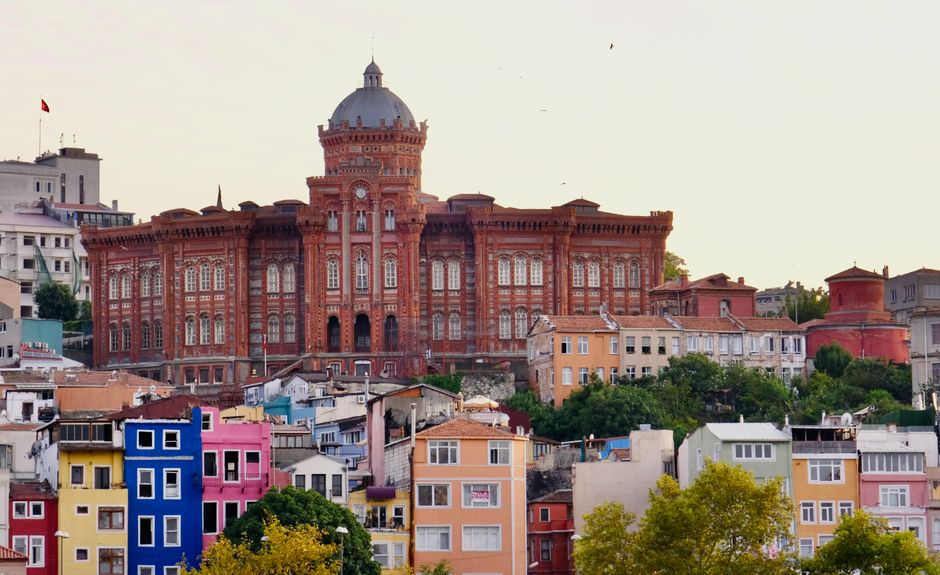
Walk down Balat's narrow cobblestone streets today, and you'll find vintage bookshops, craft breweries, and carefully restored Ottoman facades drawing crowds from across the city. But this wasn't inevitable. Ten years ago, the neighbourhood in Fatih district was struggling with declining populations, crumbling infrastructure, and a reputation many Istanbulites simply didn't know.
The transformation began quietly in 2016, when a handful of residents—shopkeepers, artists, and young professionals—started meeting informally at a community centre near the Balat Primary School. Their goal was modest: understand why their neighbourhood was being left behind while areas like Beyoğlu and Karaköy attracted investment and visitors.
"We realised nobody was telling our story," explains the neighbourhood's informal history, documented in local surveys conducted by Istanbul Metropolitan Municipality's neighbourhood development office. What they discovered was both obvious and overlooked: Balat had extraordinary bones—centuries-old buildings, proximity to the Golden Horn, and a genuine community—but lacked visibility and basic services.
The early initiatives were experimental. In 2017, residents organised the first Balat Street Food Festival, transforming Çukur Bostan Street into an open-air market. Local women sold traditional manti and börek from their homes. It attracted perhaps 2,000 people. By 2022, the festival drew over 50,000 visitors and became a launchpad for dozens of small businesses now operating year-round along the same streets.
Infrastructure improvements followed. Between 2018 and 2022, the municipality invested approximately 12 million Turkish lira in street repairs, sewage upgrades, and improved public lighting—investments that coincided with private renovation projects by residents. Property values, which had stagnated for years, began climbing modestly.
The success caught attention beyond Balat. Other neighbourhoods—Fener, Vefa, and parts of Eyüp—began replicating the model: community mapping, heritage preservation campaigns, and supporting local entrepreneurs rather than inviting large developers. The Balat Residents Association, now formally registered, has become a template that city planners reference when discussing grassroots urban renewal.
Today, as Istanbul grapples with rapid development pressures and concerns about preserving neighbourhood character, Balat's story offers a counternarrative: change doesn't require demolition or outside intervention. Sometimes it requires residents asking fundamental questions about their place, then quietly getting to work. The rubble and uncertainty of a decade ago wasn't cleared away—it was built upon, carefully, by people who stayed and cared.
This article was compiled by AI from the sources linked above and screened before publishing. See our editorial standards.