How Istanbul's Transport Crisis Led to Today's Race Against Time
Decades of rapid urbanisation, political delays, and shifting priorities have created a perfect storm—but a generation of engineers is finally delivering solutions.
Decades of rapid urbanisation, political delays, and shifting priorities have created a perfect storm—but a generation of engineers is finally delivering solutions.
Istanbul's infrastructure predicament didn't emerge overnight. The city's population explosion from 3 million in 1990 to over 16 million today strained every major artery: roads, bridges, rail networks. The famous traffic jams between Anatolia and Europe—particularly along the E-5 highway corridor—became symbols of a city outpacing its own planning capacity.
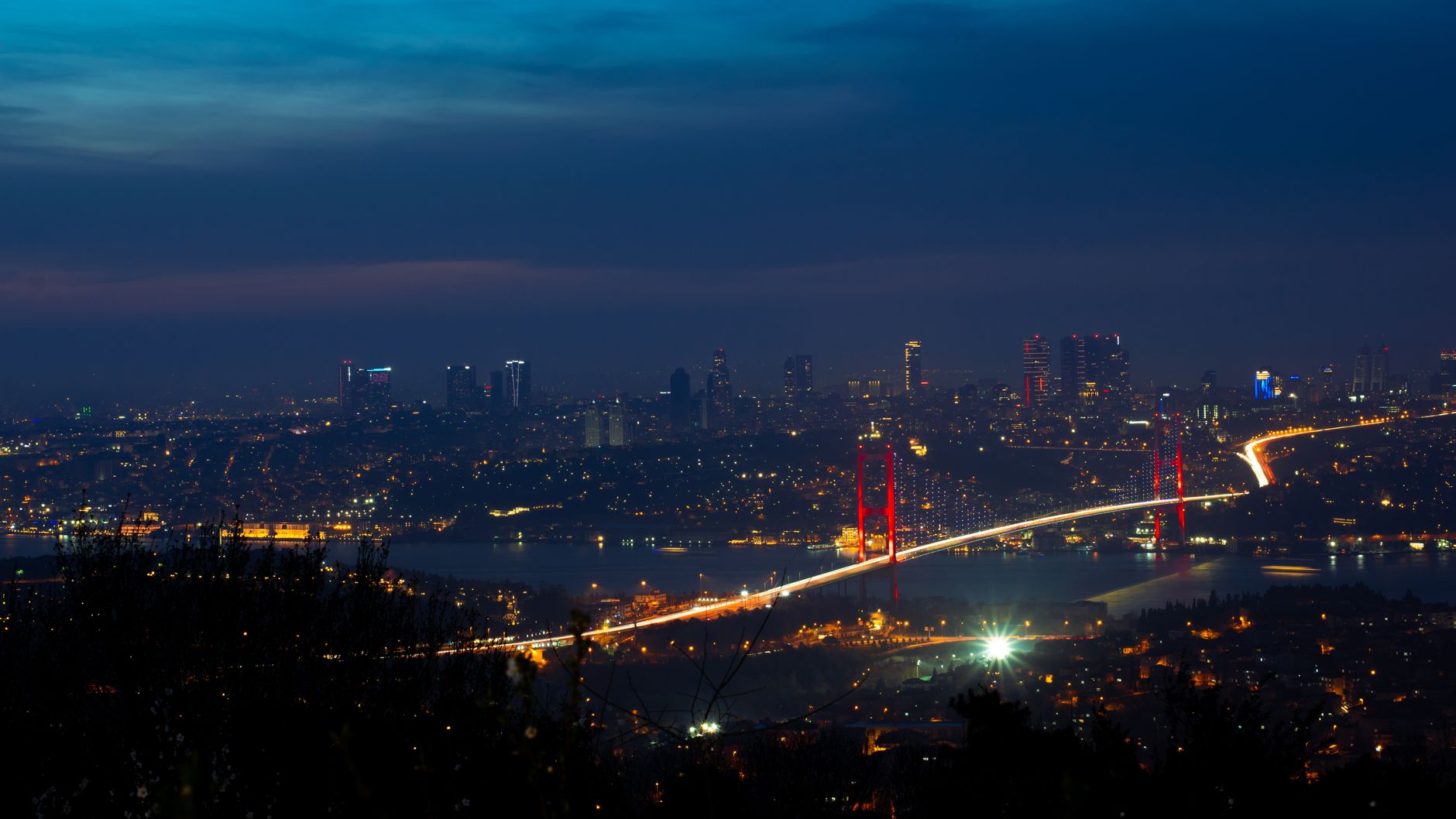
The first serious intervention came with the Bosphorus crossing projects. The original Bosphorus Bridge, opened in 1973, handled roughly 300,000 vehicles daily by the early 2000s. The Fatih Sultan Mehmet Bridge followed in 1988, then the Marmaray tunnel rail project launched in 2013. Yet each solution merely shifted congestion elsewhere. By the time the Northern Marmara Motorway was completed in 2016, planners were already calculating decade-long backlogs.
What changed the calculus was institutional pressure. The Metropolitan Municipality, restructured after the 2019 elections, inherited a city where commuters spent average 45 minutes crossing from Üsküdar to Beyoğlu during peak hours. Commerce suffered. Freight operators rerouted cargo away from the Bosphorus, costing the port economy an estimated $2 billion annually by some analyses. Tourism infrastructure couldn't expand without transport guarantees.
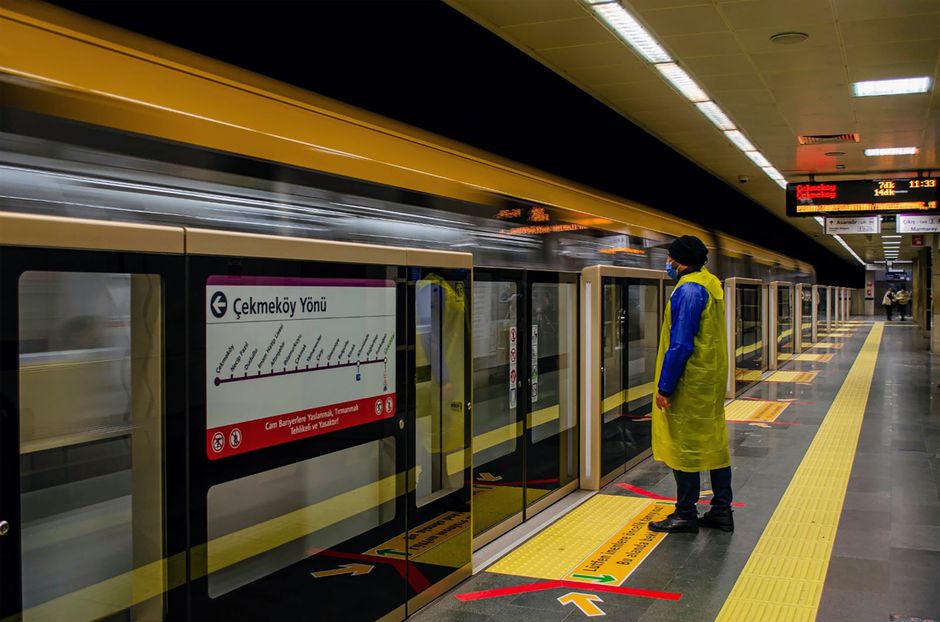
The response crystallised around three pillars. First, the Metro expansion accelerated significantly—the M7 line extension to Pendik, once perpetually delayed, finally reached completion. Second, the suburban rail network underwent systematic modernisation, with stations rebuilt at Bakırköy, Zeytinburnu, and Halkalı. Third, autonomous bus rapid transit corridors emerged along major arteries: the TEM highway, the D-100 through Çerkezköy, and critical inner-city routes like Vatan Caddesi.
The financial burden proved substantial. Municipal budgets, already stretched between maintaining aging infrastructure and new builds, received supplementary state funding starting in 2023. Private-public partnerships, controversial locally but necessary economically, brought capital for projects like the Kaynarca logistics hub and upgraded ferry terminals across the Sea of Marmara.
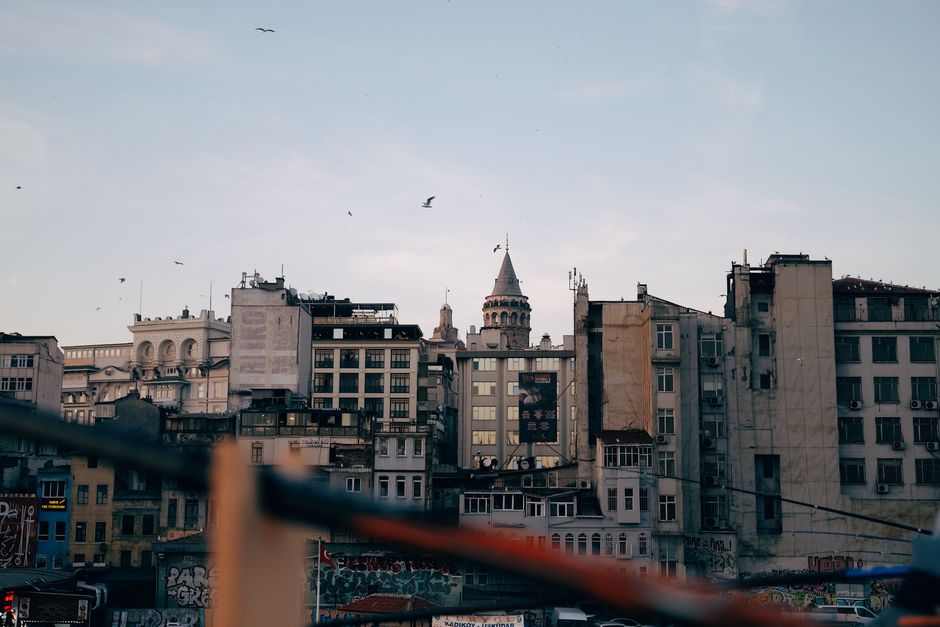
Today's infrastructure race reflects hard-won lessons. The current metro expansion programme, designed to add 150 kilometres of rail by 2030, emerged from genuine crisis. The parking management initiative downtown—where rates now reflect actual demand—came after years of gridlock in Taksim and Galata. Even the controversial car-free zones in Sultanahmet and Balat represent reversals from earlier laissez-faire approaches.
For ordinary Istanbulites, these projects remain frustratingly incremental. But they represent a fundamental shift: from reactive patching to strategic planning, from hoping infrastructure would materialise to actually building it.
This article was compiled by AI from the sources linked above and screened before publishing. See our editorial standards.
How does this story make you feel?
Spread the word
About this article
Published by The Daily Istanbul
Daily brief
Free, in your inbox before 7am. Weekdays.
More in News