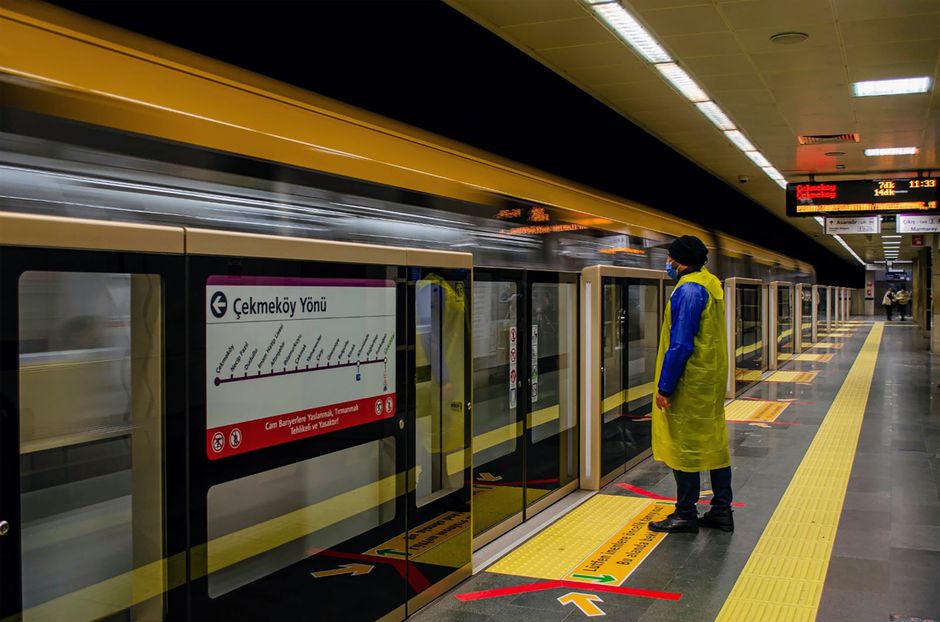
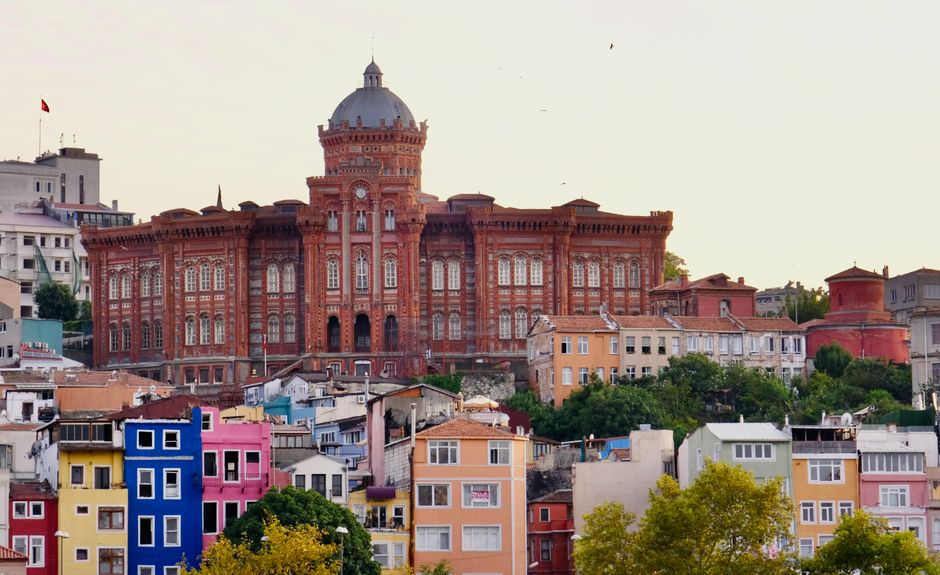
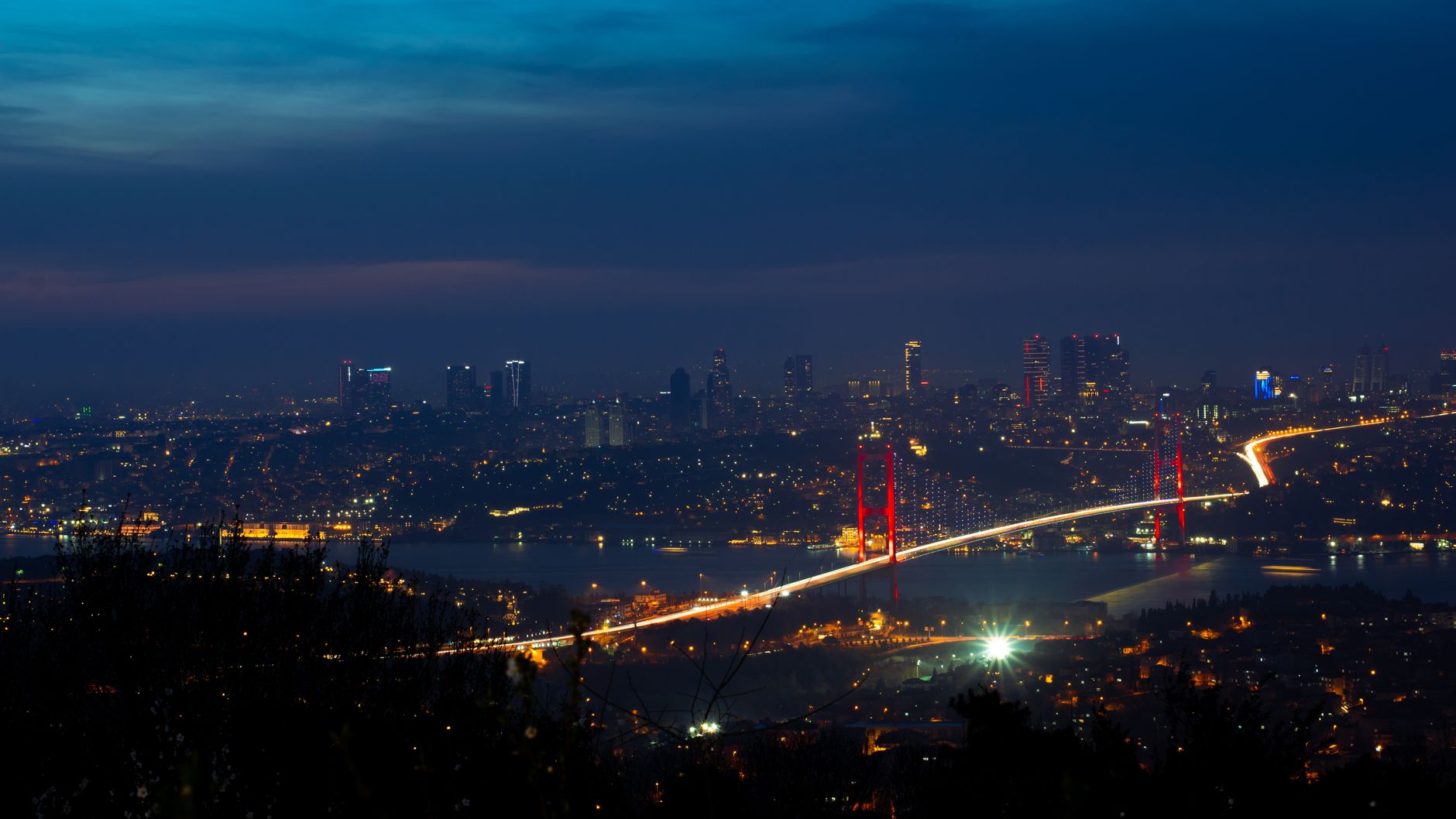
Istanbul's skyline tells the story of a city racing against time. The Marmaray rail tunnel, completed in 2013, carries 750,000 passengers daily beneath the Bosphorus—a figure that dwarfs similar projects in comparable cities. Yet nearly a decade later, Istanbul's broader transport infrastructure still lags behind global peers, revealing both the scale of ambition and the persistence of challenges.
The Metro expansion programme, particularly the extensions towards Başakşehir and along the Anatolian side, represents Istanbul's bid to catch up. Currently, the metro network spans 76 kilometres; by 2030, officials project 230 kilometres. Compare this to London's 402-kilometre Underground or Shanghai's 831 kilometres, and the gap becomes apparent. Yet Istanbul's growth rate—roughly 10 per cent annually—exceeds both cities, driven by migration that has swelled the metropolitan area to nearly 16 million people.
The financial burden tells another story. Istanbul's municipality spent approximately 2.8 billion Turkish lira on major transport projects in 2025, a figure that stretched budgets despite higher revenue from fare increases—metro fares rose to 15 lira per journey this year. By contrast, Singapore's Land Transport Authority operates with roughly triple that annual budget for a city of just 5.9 million residents, enabling the seamless integration that Istanbul's fragmented governance structures have historically prevented.
Construction chaos remains a defining feature. Residents on Istiklal Caddesi endured three years of disruptions for the nostalgic tram restoration; Kadıköy's waterfront projects have reshuffled traffic patterns repeatedly. The Eyüp-Alibeyköy tram line extension, opening next month after two years of delays, exemplifies both progress and inefficiency. Singapore completed its similarly complex Cross Island Line ahead of schedule; Istanbul's projects consistently run over by 18-24 months on average.
Where Istanbul excels is innovation under constraint. The Metrobus rapid-transit system, launched in 2007, has become a model for developing cities, moving 800,000 passengers daily at a fraction of metro construction costs. Officials point to its success—now expanded to five routes spanning 120 kilometres—as proof that Istanbul can leapfrog traditional infrastructure hierarchies.
The real test arrives in 2027-28, when multiple projects converge: the third airport bridge opening, northern metro extensions reaching completion, and the controversial Canal Istanbul remaining in political limbo. Whether Istanbul emerges as a model for managing megacity growth or joins the ranks of perpetually under-construction cities may depend less on ambition than on whether governance can finally match engineering aspiration.
This article was compiled by AI from the sources linked above and screened before publishing. See our editorial standards.