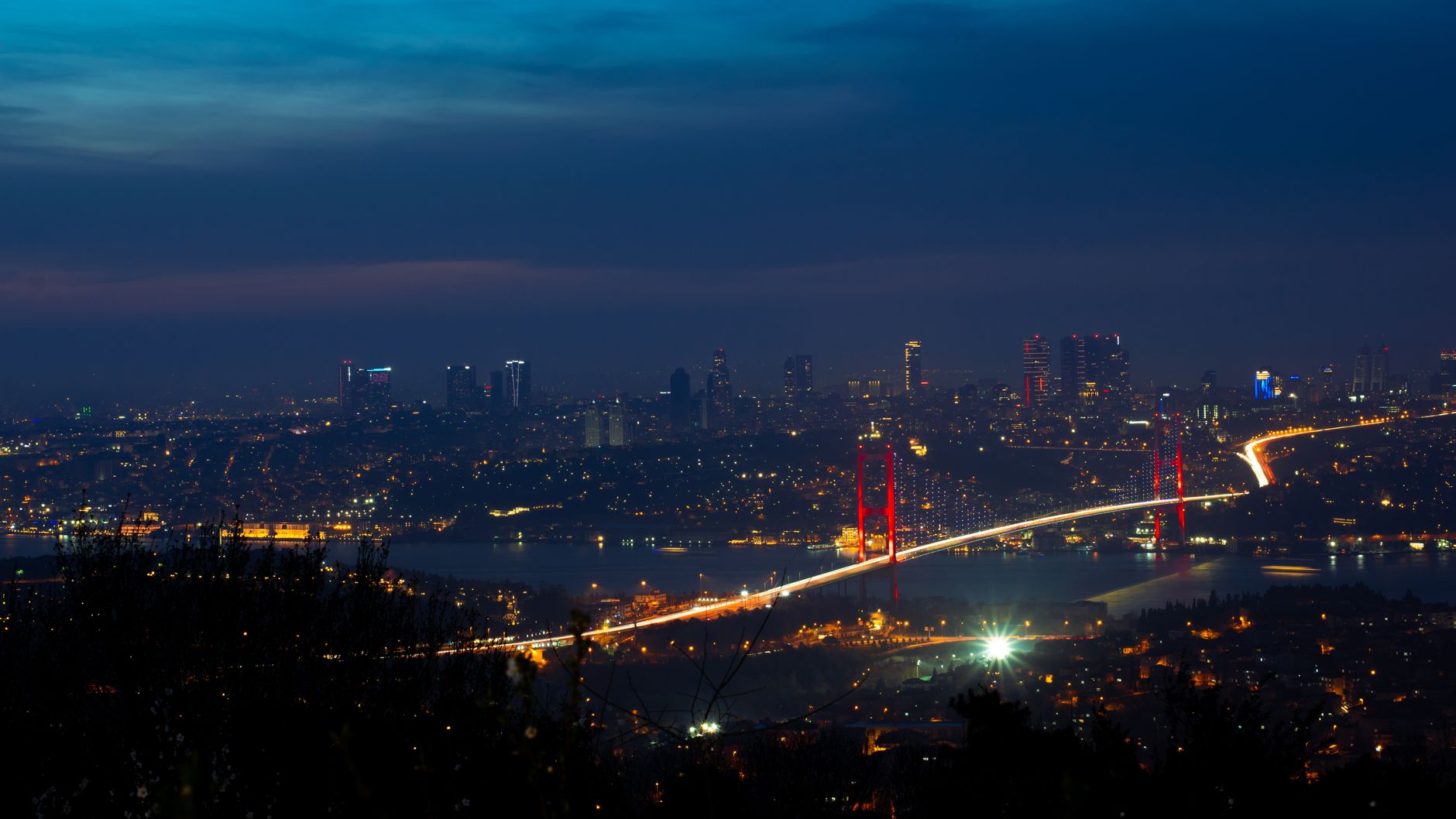
For residents battling Istanbul's notorious air quality—which regularly ranks among Europe's worst—the city's latest sustainability initiatives represent more than political rhetoric. They signal potential relief from the respiratory issues that plague neighbourhoods from Beşiktaş to Üsküdar.
The Istanbul Metropolitan Municipality has committed to reducing carbon emissions by 55 percent by 2030, with particular focus on transportation and heating systems that currently burden household budgets. For a family in Fatih spending upwards of 8,000 Turkish lira monthly on natural gas during winter months, the transition to renewable energy networks could mean significant savings within five years.
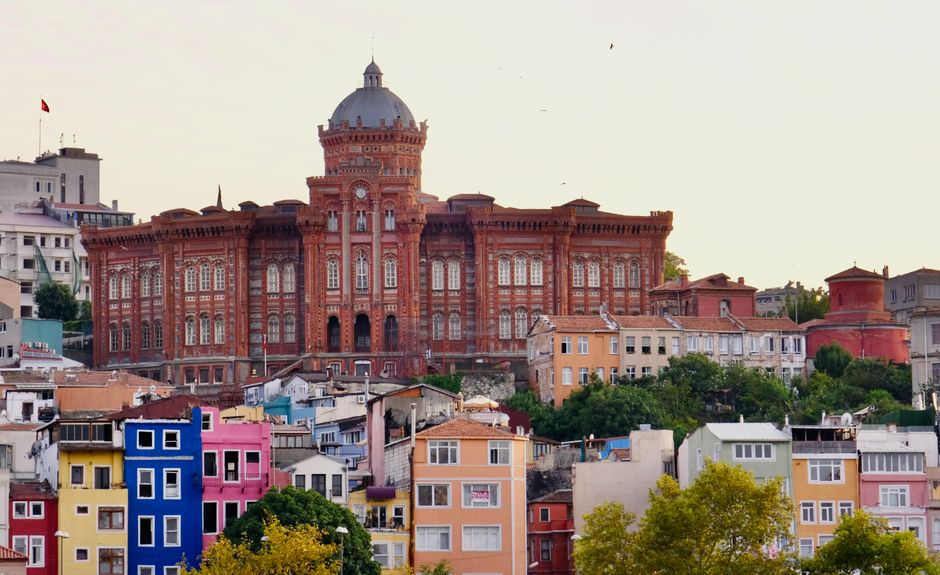
The Halıç (Golden Horn) restoration project, which has already removed thousands of tonnes of industrial waste, demonstrates what's possible when environmental action meets community benefit. Residents along the waterfront now report improved air quality, while the revitalised public spaces around Balat and Eyüp have boosted local tourism and small business activity.
More immediately, the city's expanded green corridor initiative—planting 5 million trees by 2030—directly addresses heat island effects that make summers increasingly unbearable in densely populated areas like Şişli and Mecidiyeköy. Urban forestry experts note that increased tree coverage can reduce local temperatures by 2-3 degrees Celsius, lowering air conditioning costs for households already struggling with energy inflation.
The municipality's subsidised solar panel programme for residential buildings offers particular promise for middle-income families. Homeowners in districts like Maltepe and Pendik who install rooftop solar systems receive 40 percent cost reduction through matching funds, with realistic payback periods of 6-8 years.
Water conservation—critical in a city relying on reservoirs that fluctuate dramatically with seasonal rainfall—has become personal for residents. New smart metering systems being installed across Kadıköy and Kağıthane neighbourhoods help families track consumption in real-time, typically reducing usage by 15-20 percent simply through awareness.
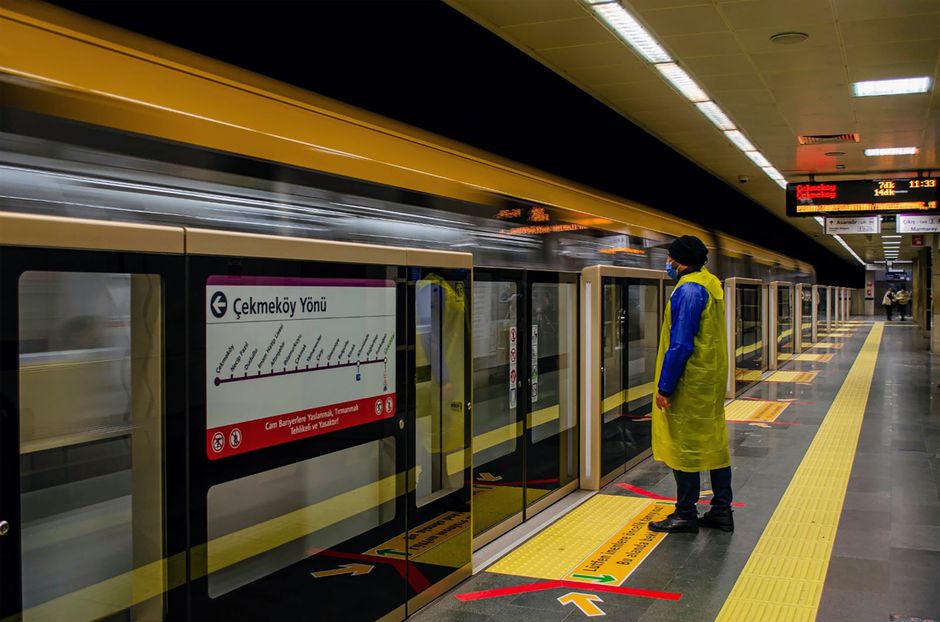
Public transportation expansion, particularly the Metro extensions reaching further into outer districts, addresses both environmental and economic concerns. Commuters currently spending 400-500 lira weekly on minibus fares could halve costs while reducing personal vehicle emissions.
Critics rightfully note implementation challenges and funding gaps. Yet for ordinary Istanbullus—whether breathing easier in summer or managing heating bills in winter—these initiatives represent tangible promises to reclaim urban livability that decades of rapid growth have eroded.
This article was compiled by AI from the sources linked above and screened before publishing. See our editorial standards.