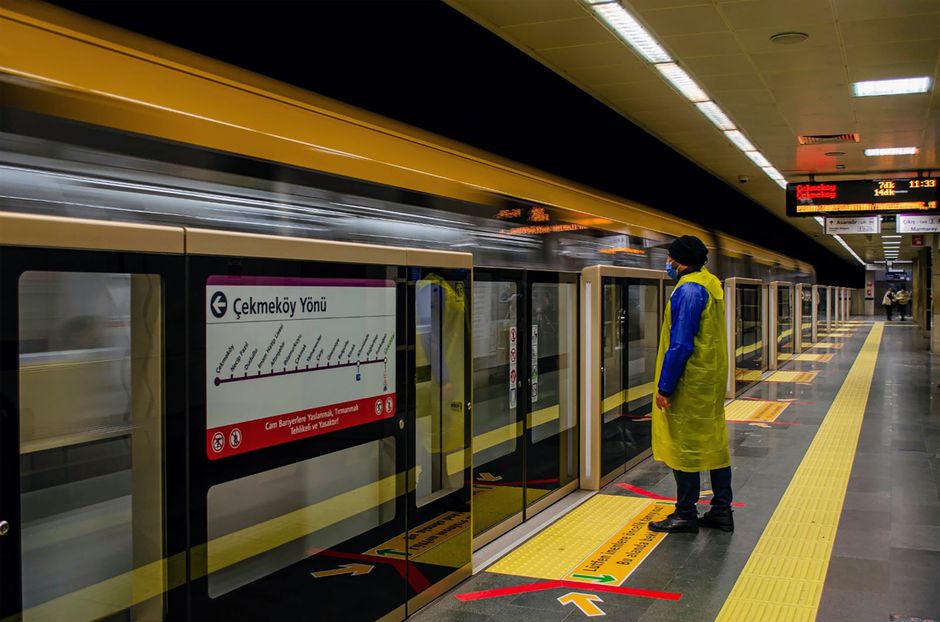
Istanbul's New Metro Expansion Budget Cuts: What Commuters Will Actually Feel in Their Daily Lives
City officials slash funding for the Beyoğlu-Sarıyer line extension, forcing residents to choose between longer commutes and rising transport costs.
City officials slash funding for the Beyoğlu-Sarıyer line extension, forcing residents to choose between longer commutes and rising transport costs.
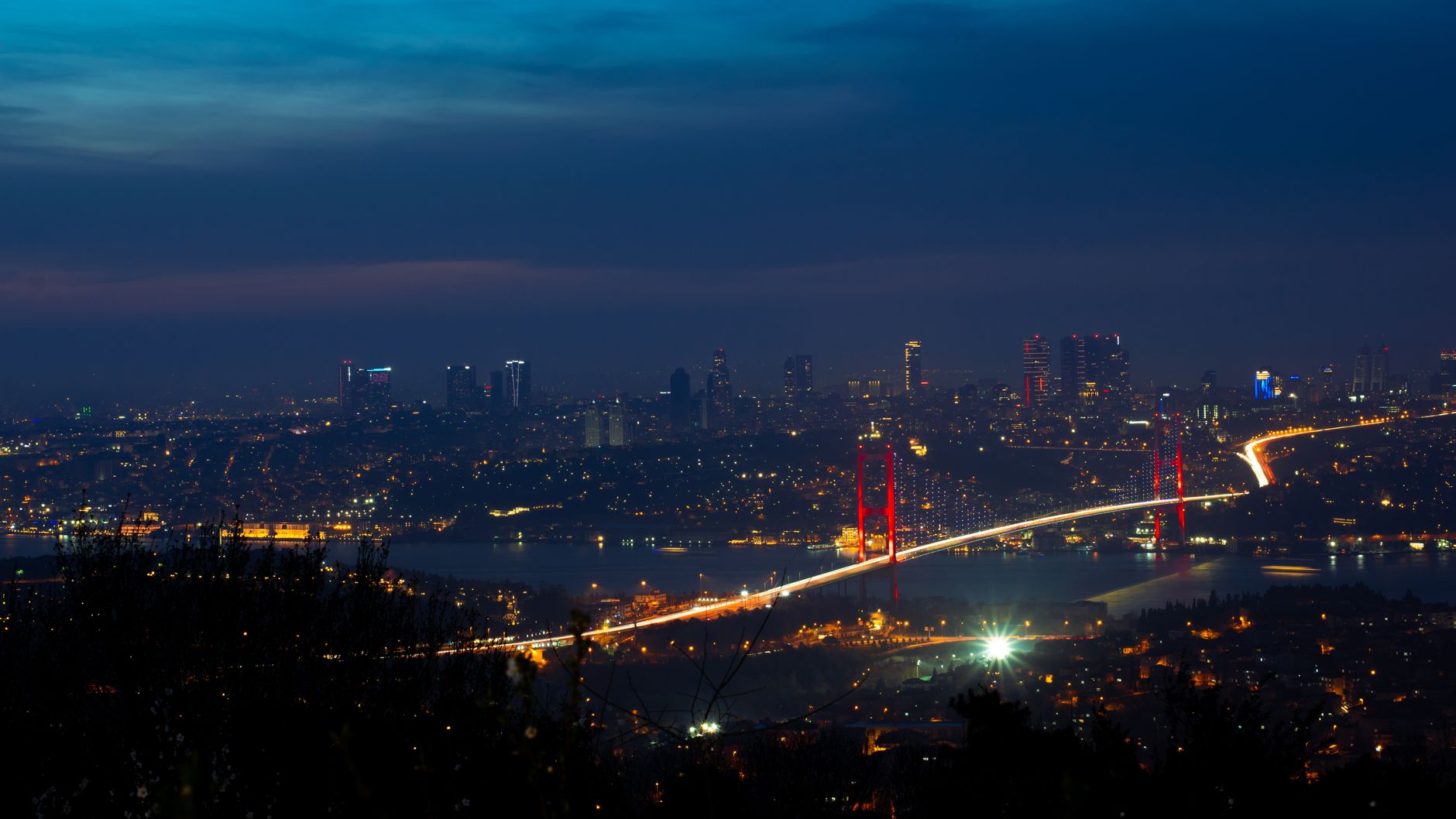
The Istanbul Metropolitan Municipality's revised 2026 budget, announced last week, contains a decision that will reshape the daily routines of hundreds of thousands of residents: a 340 million lira reduction in funding for the long-promised metro expansion connecting Beyoğlu to Sarıyer via the Golden Horn tunnel.
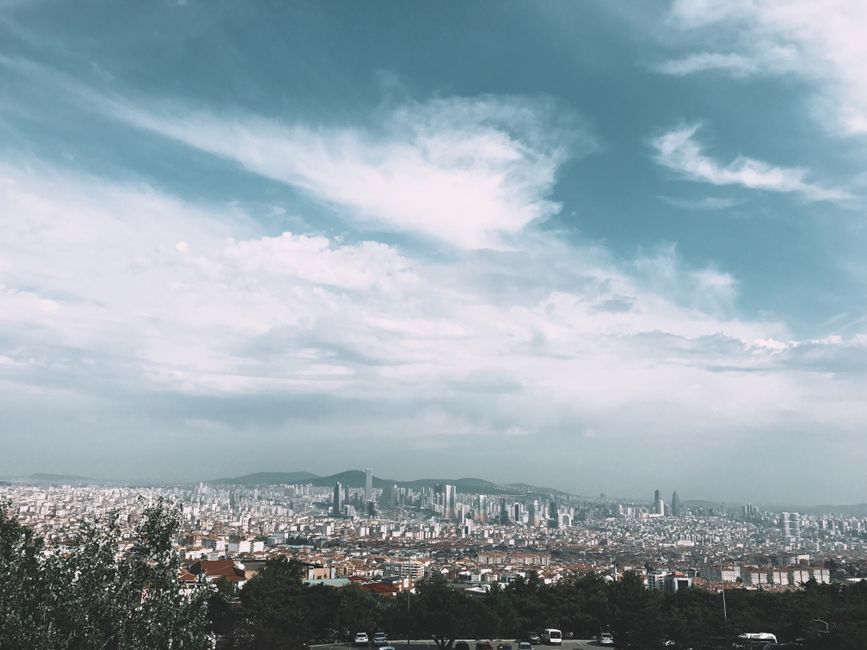
For commuters currently spending 45 minutes navigating congested roads from Ortaköy to Şişli during peak hours, the implications are immediate. The delayed metro phase—originally slated for completion in 2028—now faces a revised timeline pushing completion into 2031 at the earliest. For residents in rapidly developing neighbourhoods like Arnavutköy and Maslak, where population density has surged 23% in five years, the wait means continued reliance on increasingly overcrowded bus routes and private transport.
The budget reallocation prioritises immediate infrastructure repairs across the historic peninsula and Fatih district, addressing deteriorating water pipes and electrical grids in areas where buildings date back centuries. While essential, these maintenance priorities come at the expense of expansion that would reduce the city's notorious traffic congestion—currently costing Istanbul's economy an estimated 47 billion lira annually in lost productivity and fuel waste.
"This creates a two-tier city," explains transport economist data from recent municipal reports. Areas already serviced by existing metro lines—Taksim, Aksaray, Eminönü—maintain accessibility advantages, while northern neighbourhoods face extended infrastructure gaps. For working families living in Beşiktaş or Şişli with jobs in the financial district of Maslak, this means an average monthly transport spend increasing to 2,400 lira, consuming roughly 8% of median household income for commuting alone.
The municipality argues this reflects fiscal realism. Rising inflation and currency pressures have consumed contingency funds; the central government's reduced transfers to metropolitan budgets have forced difficult choices. Yet the political cost appears steeper than financial constraints alone suggest. Opposition council members from the Beyoğlu district already signal election-year resentment among voters who've waited two decades for promised connections.
Local business associations in Ortaköy and Beşiktaş warn that delayed metro access undermines their competitive position against Anatolian side rivals, already benefiting from newer transport infrastructure. Tourist-dependent venues along the Bosphorus increasingly struggle attracting international visitors frustrated by traffic delays reaching these neighbourhoods.
Whether this budget reflects prudent financial management or missed opportunity for long-term urban investment, Istanbul residents will feel the answer daily—in traffic, in time, and in their transport bills.
This article was compiled by AI from the sources linked above and screened before publishing. See our editorial standards.
How does this story make you feel?
Spread the word
About this article
Published by The Daily Istanbul
Daily brief
Free, in your inbox before 7am. Weekdays.
More in News