Istanbul's Metropolitan Municipality announced a significant restructuring of its transit authority this week, consolidating three separate administrative bodies into a unified transport command structure. For the city's 15 million residents, the implications are immediate and practical: your commute faces both potential improvements and unavoidable disruptions as the €2.3 billion annual transport budget gets reallocated across aging infrastructure.
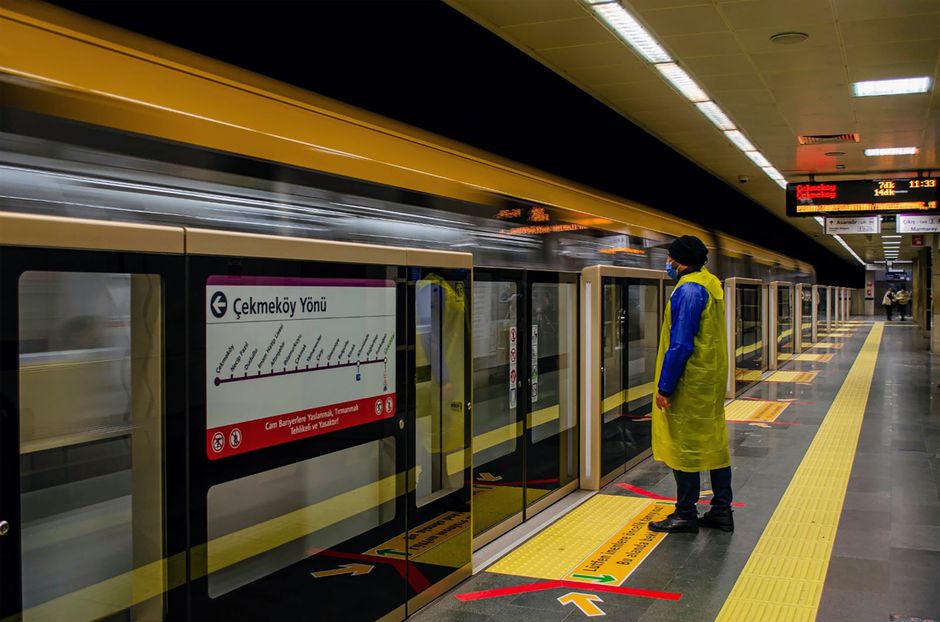
The reorganization targets notorious bottlenecks plaguing daily life. The M4 metro line, which carries 400,000 passengers daily between Kadıköy and Avcılar, has been operating at 89% capacity during peak hours—far beyond safe standards. Under the new structure, dedicated funding streams will prioritize expansion along the E-5 corridor toward Pendik and Çekmeköy, where population has surged but transit infrastructure hasn't kept pace. Residents in these sprawling districts currently face 45-minute commutes that could be halved within four years, officials claim.
But the transition comes with costs. The Taksim-Eminönü tramway undergoes emergency maintenance beginning in August, reducing service by 30% for six weeks. The beloved T1 line connecting Sultanahmet to Beyoğlu will operate on a reduced schedule—bad timing for summer tourism season but necessary for track replacement that should extend its operational life by a decade. Bus routes in Fatih and Balat are being reoptimized to eliminate redundancy, meaning some residents will see service improvements while others face temporary rerouting.
The political stakes are real. Transport affordability remains contentious; a monthly pass costs 385 Turkish lira, up from 340 last year. The municipality promises the restructuring won't trigger further fare increases through 2028, though inflation pressures make that pledge fragile. Youth passes and senior discounts will expand under new means-testing criteria, potentially affecting 200,000 lower-income riders.
Public participation mechanisms are improving too. The new Integrated Transport Authority will hold monthly neighborhood forums in districts like Şişli, Beşiktaş, and Ümraniye, where residents can directly influence route planning and service priorities. This represents a departure from top-down decision-making that sparked protests during the 2024 bus network overhaul.
For most Istanbulites, the real test isn't administrative efficiency—it's whether trains arrive on time and whether your neighborhood finally gets the service level that matches its population. The next hundred days will determine whether this restructuring delivers genuine improvement or merely reshuffles dysfunction.
This article was compiled by AI from the sources linked above and screened before publishing. See our editorial standards.