Istanbul's housing affordability crisis did not arrive overnight. It emerged from a series of policy choices, each rational at the time, that cumulatively reshaped the city's residential geography and locked millions out of homeownership. Understanding today's market requires examining how we arrived here.
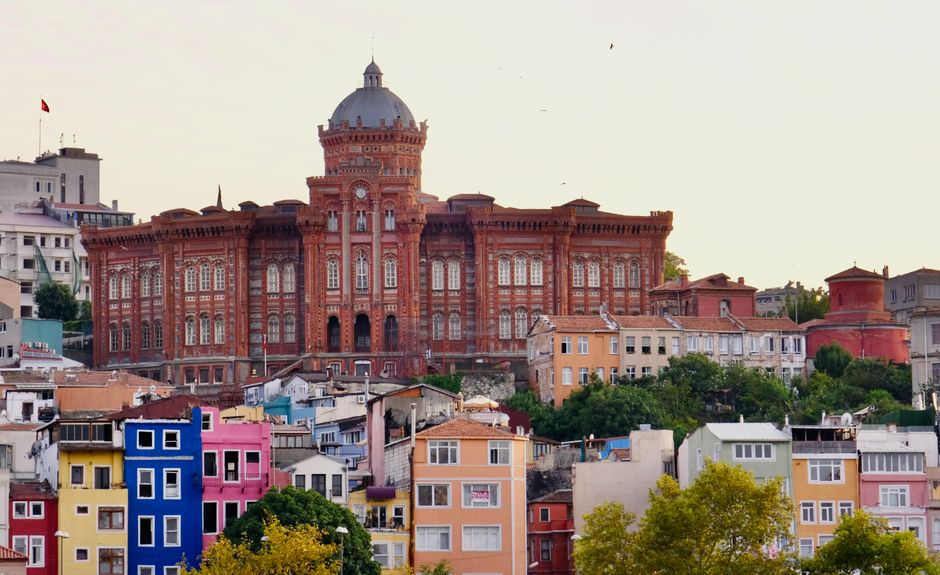
The transformation began in earnest during the 1980s liberalisation reforms. Before then, Istanbul's growth followed relatively predictable patterns—workers clustered in Fatih and Beyoğlu's older districts, middle-class families migrated to emerging suburbs like Bakırköy and Beşiktaş. But sweeping zoning deregulation, particularly the 1985 changes permitting higher-density residential development across the European side, fundamentally altered the calculus. Developers discovered profit in converting low-rise neighbourhoods into mid-rise residential zones. Neighbourhoods like Şişli and Nişantaşı, formerly characterised by four-to-six-storey buildings, began morphing into fifteen-storey complexes by the early 1990s.
Simultaneously, foreign investment regulations loosened. International capital, seeking emerging-market assets, identified Istanbul as an attractive destination. Turkish pension funds and construction companies accelerated projects. By 2010, residential property had become the primary vehicle for wealth accumulation among Turkey's expanding upper-middle class. Prices in central districts rose 340 percent between 2008 and 2018 alone.
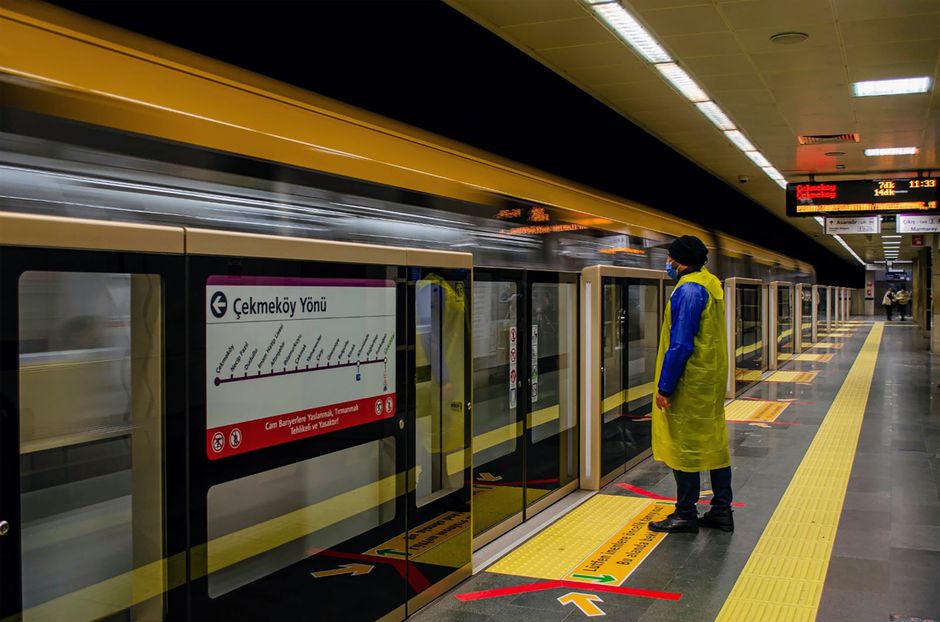
Infrastructure decisions compounded the problem. The Marmaray rail project, completed in 2013, was heralded as a modernising achievement. Yet property speculators identified stations along the European line—particularly around Kazlıçeşme and Halkalı—as future gold mines. Prices surged in anticipation, pricing out existing residents before the promised affordability benefits materialised.
The city's geographical constraints accelerated demand concentration. Bounded by the Sea of Marmara and forests, Istanbul's buildable land is finite. Rather than dispersing development through coordinated regional planning, policies encouraged vertical intensification in established neighbourhoods. Fatih and Beyoğlu, already densely populated, became even more desirable to investors.
By 2020, average apartment prices in Nişantaşı exceeded $12,000 per square metre—comparable to central London. Even outer districts like Bağcılar saw prices climb beyond reach for teachers, nurses, and municipal workers. The municipality's affordable housing initiatives, while well-intentioned, provided fewer than 8,000 units annually against an estimated annual deficit of 50,000 units.
Today's housing crisis reflects these accumulated decisions: deregulation without corresponding social housing investment, openness to speculative capital without residency requirements, infrastructure projects without anti-displacement protections. Istanbul's policymakers now confront not a single problem but a structural imbalance—one that cannot be reversed without fundamentally reconceiving the relationship between development and displacement.
This article was compiled by AI from the sources linked above and screened before publishing. See our editorial standards.