Istanbul at a Crossroads: Five Critical Decisions Facing ...
As the municipality navigates budget constraints and infrastructure pressures, the next six months will define the capital's trajectory on transit, housing, and environmental policy.
As the municipality navigates budget constraints and infrastructure pressures, the next six months will define the capital's trajectory on transit, housing, and environmental policy.
Istanbul's municipal government faces a defining second half of 2026, with five major decisions looming that will reshape how the city functions for residents across its 39 districts. The stakes are high, and the clock is ticking.
The most pressing issue centres on the Kaynarca waste management facility in the Asian side's industrial zone. The current contract with waste operators expires in September, forcing the metropolitan municipality to decide between renewing agreements with existing contractors or implementing a costly new sorting and recycling infrastructure. Officials estimate the upgrade could cost 4.2 billion Turkish lire but would redirect 60 per cent of landfill waste toward recycling—a commitment the city made under its 2025 environmental accord.
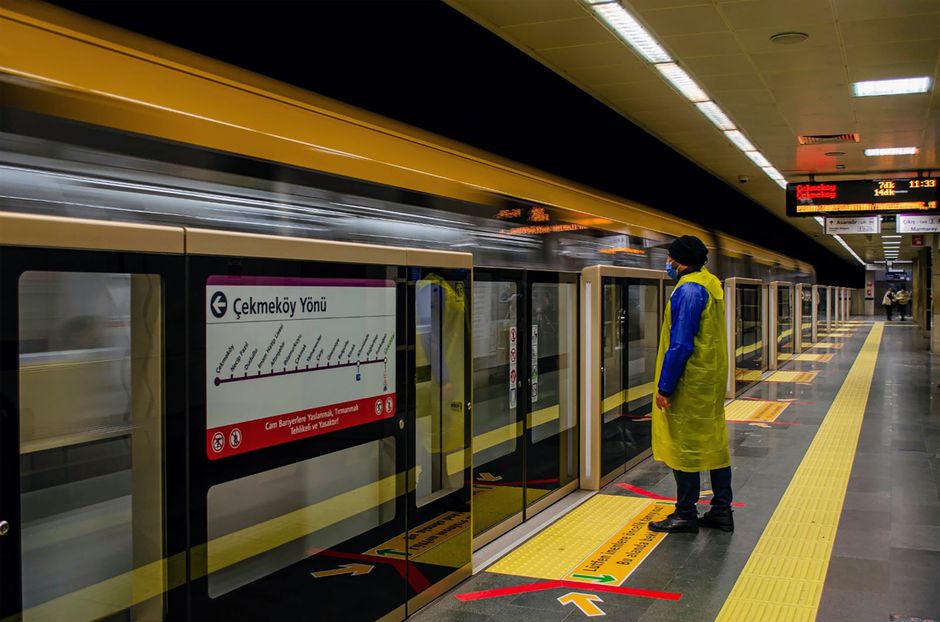
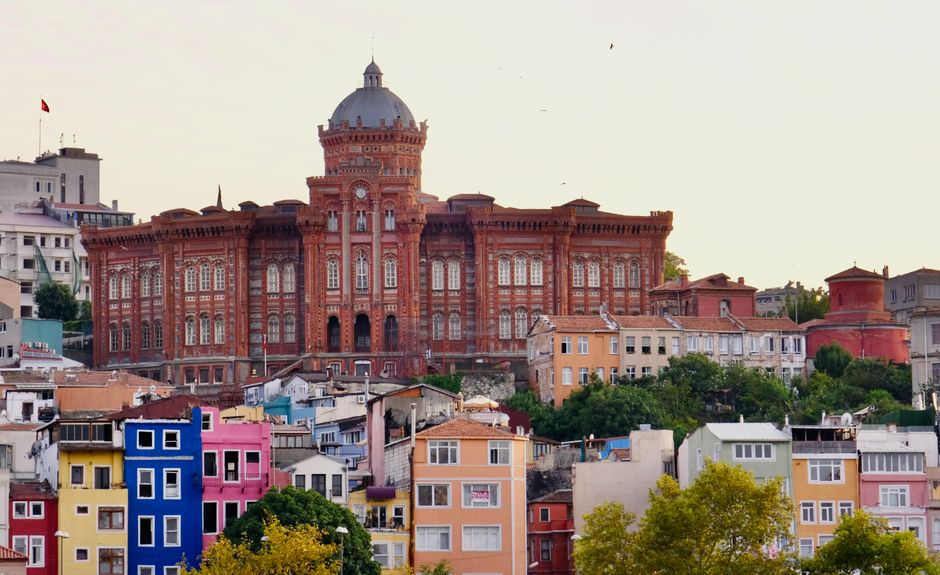
Equally urgent is the Istanbul Metro expansion through the Fatih and Eyüp districts. The municipality must approve final route amendments by August, with three competing proposals on the table. The northern route would serve the rapidly densifying neighbourhood around Pierre Loti, while the central option cuts through residential areas of Balat, potentially displacing up to 300 families. The southern alternative costs 12 per cent more but avoids residential zones entirely. Each choice carries political weight heading toward district elections in 2027.
Housing affordability has reached crisis levels, with average rental prices in Beyoğlu climbing 34 per cent year-on-year. The municipality's July decision on zoning variances for mid-rise development in Şişli and Beşiktaş will either accelerate new supply or maintain density restrictions that benefit existing property owners. Housing advocates have been vocal at city council meetings, while conservation groups worry about the impact on historic streetscapes.
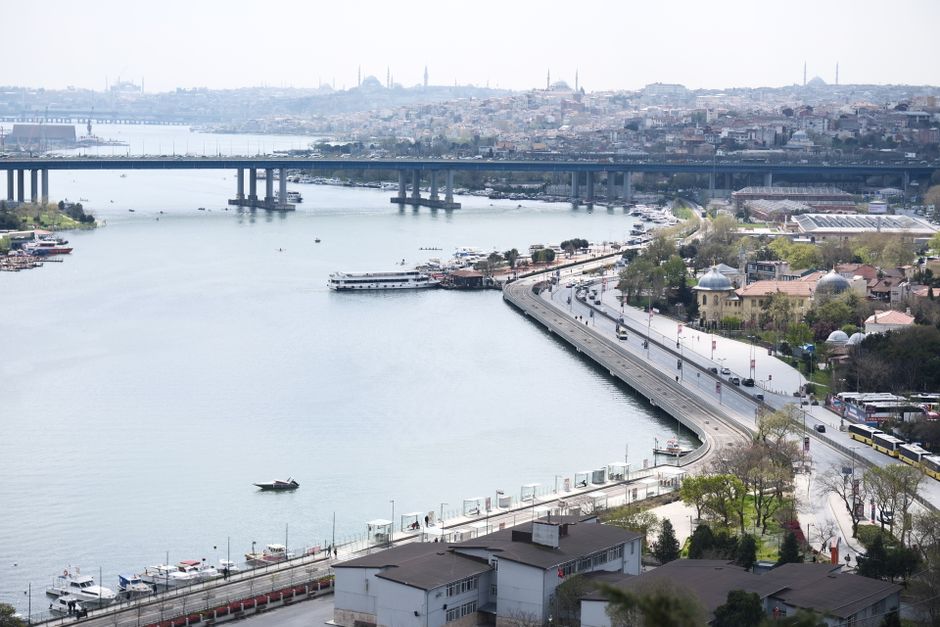
A fourth decision concerns the Eminönü waterfront redevelopment project. The municipality must choose between completing the controversial commercial entertainment complex or converting the site into mixed-use public space with cultural venues. The original developer's contract lapses in October, creating a rare window to reassess priorities.
Finally, the city faces a budget shortfall estimated at 850 million lire for 2027, requiring decisions on parking fee increases, public transport subsidies, and library funding. These choices will be debated throughout July and August.
These decisions don't happen in a vacuum. They reflect competing visions for a city of 15 million people stretched across two continents. The municipality's choices will ripple outward—affecting commute times, housing costs, and environmental quality for years to come. The coming weeks will be telling.
This article was compiled by AI and screened before publishing. See our editorial standards.
How does this story make you feel?
Spread the word
About this article
Published by The Daily Istanbul
Daily brief
Free, in your inbox before 7am. Weekdays.
More in News