Istanbul's Green Future: What City Officials and Experts Say About Sustainability Push
As the metropolis grapples with pollution and waste challenges, environmental leaders outline their vision for transforming Turkey's largest city.
As the metropolis grapples with pollution and waste challenges, environmental leaders outline their vision for transforming Turkey's largest city.
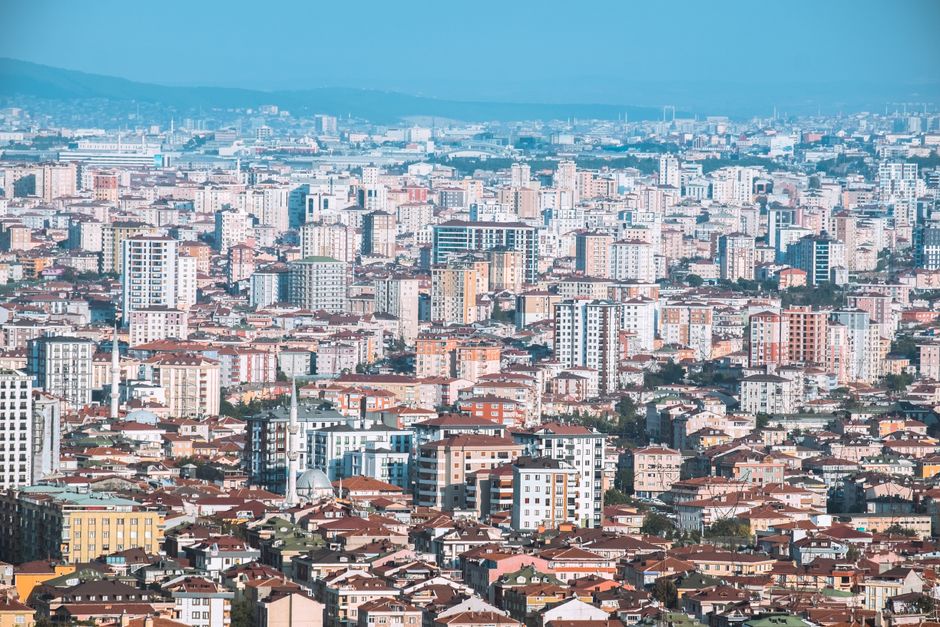
Istanbul's environmental officials are intensifying their focus on sustainability initiatives, with city planners and experts increasingly vocal about the challenges and opportunities facing the metropolis of 15 million residents.
The conversation centres on several critical areas. Istanbul's municipal waste management has become a focal point, with officials acknowledging that the city generates approximately 30,000 tonnes of waste daily. Representatives from the Istanbul Metropolitan Municipality's Environmental Protection and Control Department have emphasised the need for expanded recycling infrastructure across neighbourhoods from Beyoğlu to Üsküdar, where current recovery rates remain below 20 percent for residential waste.
Water quality in the Golden Horn represents another pressing concern. Environmental scientists and Istanbul-based conservation groups have publicly called for accelerated implementation of the ongoing cleanup project, which aims to restore the historic waterway that has suffered from industrial pollution for decades. Officials have committed to monitoring initiatives, though experts stress that achieving measurable improvements requires sustained investment beyond current budgetary allocations.
Air quality management has also dominated recent discussions among city administrators. Istanbul recorded hazardous air quality days on 47 occasions in 2025, prompting officials to announce expansion of the city's green corridor programme. Plans include increased tree planting along major arteries such as Bağdat Caddesi and the creation of new urban parks in underserved districts. Environmental consultants have suggested that reaching EU air quality standards would require reducing vehicle emissions by approximately 35 percent over the next decade.
The energy transition conversation has gained momentum as well. Istanbul Chamber of Commerce representatives have joined sustainability advocates in discussing renewable energy adoption among the city's small and medium enterprises. Solar panel installation subsidies and district heating system modernisation feature prominently in municipal planning documents, though implementation timelines remain contested between budget-conscious officials and environmental campaigners.
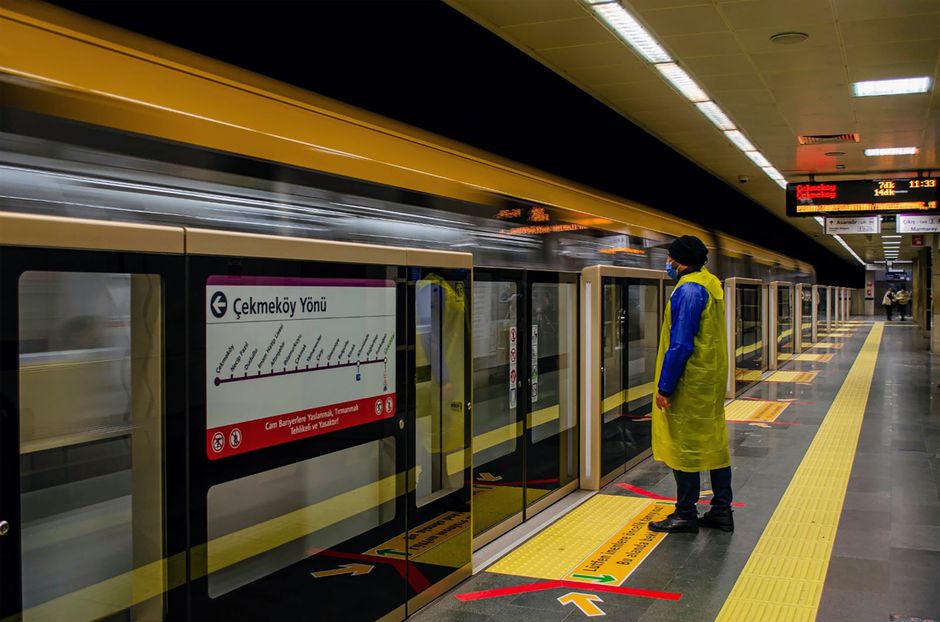
Public transportation expansion emerges as a unifying theme. Transit officials highlight the completed metro extensions, with the Halkalı-Söğütlüçeşme line now operational, claiming each metro rider removes approximately one private vehicle from congested routes. However, urban planners note that meeting climate targets requires even more aggressive transit development.
What distinguishes current discussions is the explicit acknowledgment from city administrators that Istanbul cannot address these challenges alone. Officials have indicated openness to international climate finance mechanisms and have signed onto several European city sustainability networks. Yet experts caution that without concrete action timelines and transparent accountability measures, these announcements risk remaining largely aspirational.
This article was compiled by AI from the sources linked above and screened before publishing. See our editorial standards.
How does this story make you feel?
Spread the word
About this article
Published by The Daily Istanbul
Daily brief
Free, in your inbox before 7am. Weekdays.
More in News