Istanbul stands at a pivotal moment in its environmental journey. With the city's population approaching 16 million and waste generation exceeding 30,000 tonnes daily, municipal authorities must now decide between competing visions for sustainability—choices that will reshape neighbourhoods from Beşiktaş to Pendik over the next decade.
The most pressing decision concerns the Alibeykoy landfill expansion. The Metropolitan Municipality has proposed enlarging the facility to accommodate increased household waste, a pragmatic short-term solution that environmental groups argue merely delays the inevitable reckoning with overconsumption. The alternative—ambitious investment in zero-waste infrastructure and circular economy programs—requires capital the city claims it lacks.
Equally contentious is the future of the Golden Horn restoration project. While water quality has improved markedly since 2015, when the estuary was declared unsuitable for any human contact, city planners now face a choice: prioritize recreational development that would attract tourism revenue, or protect emerging marine ecosystems that have only recently begun recovering. The difference translates to billions of Turkish lire in competing interests.
Several neighbourhoods will test Istanbul's commitment to sustainable urban renewal. The Galataport redevelopment continues expanding, while plans for the Tarlabaşı transformation remain contentious. Residents and environmentalists question whether these projects genuinely integrate green spaces or merely market sustainability as aesthetic decoration.
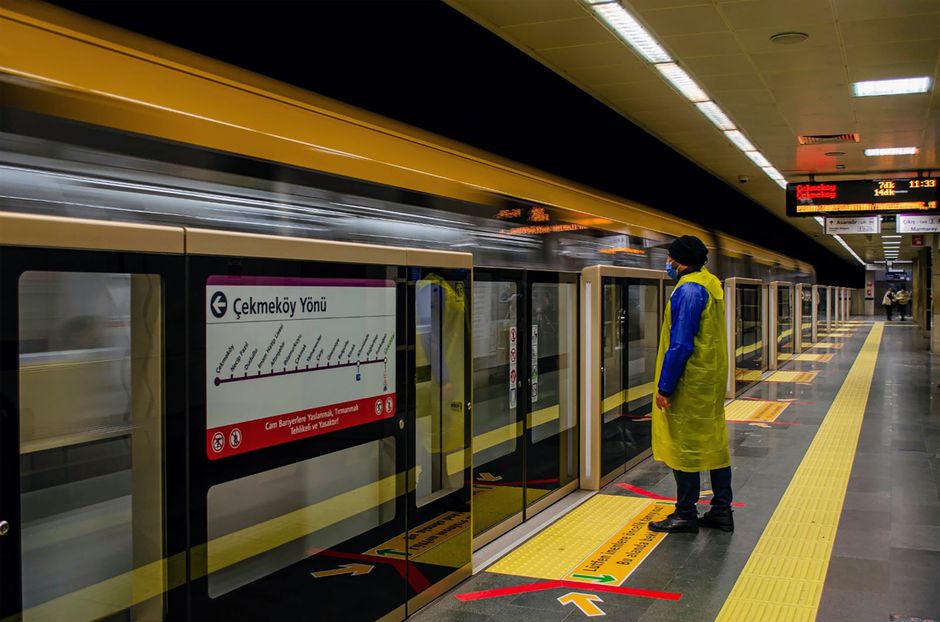
The city's public transportation network presents another critical junction. The Metro expansion through the Asian side offers reduced emissions, but construction continues to fragment wetlands around Pendik and Tuzla. The decision to proceed with or modify Phase 7 of the Metro system will determine whether the city achieves its stated climate goals.
Perhaps most significant is whether Istanbul will adopt genuinely progressive building codes. Current regulations allow developers to incorporate green roofs and solar panels, yet incentives remain weak. The municipality must decide whether to mandate such features—increasing construction costs but accelerating decarbonization—or maintain the current voluntary framework.
These decisions arrive as Turkey faces pressure to align with European environmental standards and as Istanbul's residents increasingly demand cleaner air and water. The city's summer heat has become oppressive, with temperatures regularly exceeding 38 degrees Celsius, adding urgency to climate adaptation planning.
The choice before Istanbul's leadership is stark: embrace transformative investment in genuine sustainability, accepting short-term economic constraints, or pursue incremental improvements that allow continued growth at the cost of environmental debt. The decisions made in the coming months will determine which Istanbul emerges by 2035.
This article was compiled by AI from the sources linked above and screened before publishing. See our editorial standards.