Istanbul's Metropolitan Municipality approved a significant zoning change on Wednesday that will allow mixed-use residential development along the Galata waterfront, marking the most substantial shift in the district's urban planning framework in over a decade. The decision, which passed with a narrow 31-26 vote, permits construction of residential towers up to 25 storeys on parcels currently designated for commercial use, affecting approximately 12 hectares from Karakoy to Tophane.
The amendment comes amid mounting pressure to address Istanbul's spiralling housing shortage. Average apartment prices in central neighbourhoods have surged to 85,000 TL per square metre, pricing out middle-income families and forcing younger professionals toward the outer sprawls of Pendik and Kartal. Municipal officials argue the Galata decision will inject new residential capacity into the city's core while generating tax revenue through developer agreements.
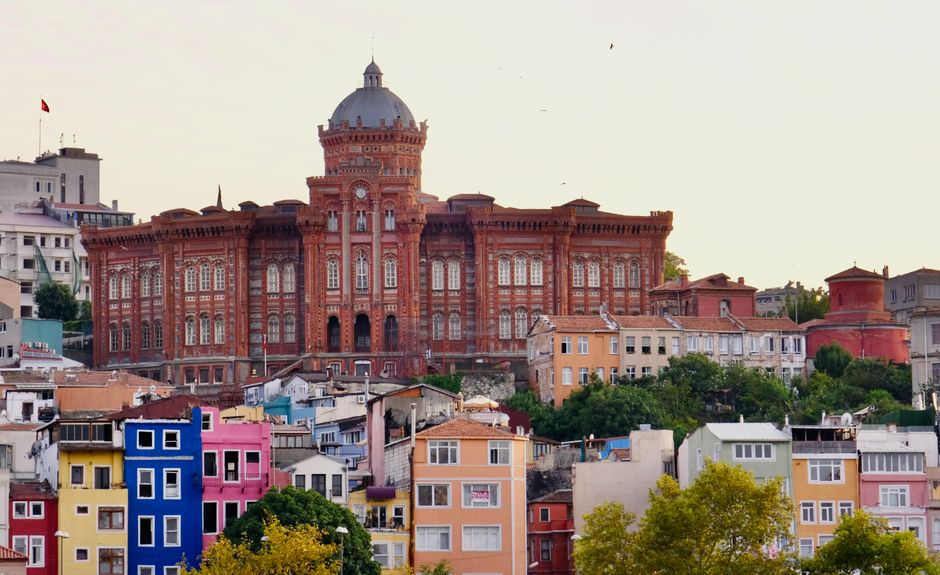
However, critics contend the decision prioritises commercial interests over community welfare. The Chamber of Architects Istanbul chapter issued a statement Friday questioning whether the new units will be affordable to existing residents—many of whom work in service industries within the district. Historical preservation advocates raised concerns about sight lines affecting the Suleymaniye Mosque and the Golden Horn's visual patrimony.
Under the approved framework, developers must dedicate 12 percent of floor space to social housing, a requirement that stakeholders describe as insufficient. Comparative cities like Barcelona and Vienna mandate 20-25 percent affordable units in similar projects. The council approved no mechanism to monitor affordability over time or prevent future conversion to luxury apartments.
The decision also comes weeks after the Turkish government announced a national housing initiative targeting 500,000 new units over five years. Istanbul, absorbing roughly 400,000 new residents annually according to municipal data, sits at the epicentre of this strategy. Yet local planners remain divided on whether vertical densification in established neighbourhoods or peripheral expansion better serves the city's future.
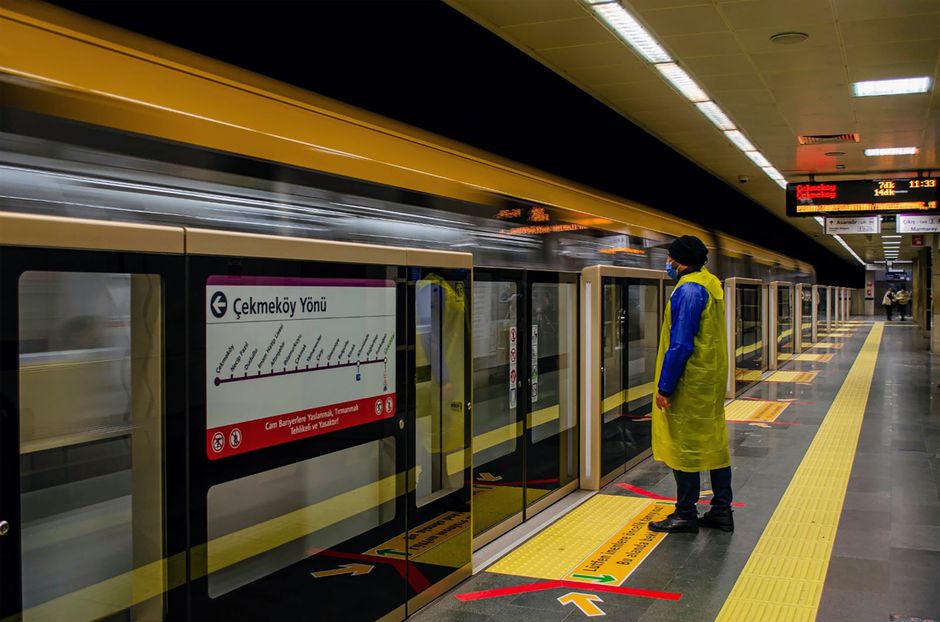
Residents of adjacent Balat and Fener neighbourhoods requested intervention at Monday's municipal hearing, citing infrastructure strain and gentrification fears following similar projects. The municipality committed to expanding metro access to Galata by 2029, though transport officials have not confirmed funding allocation.
The rezoning decision is not final. Opposition parties have initiated a 30-day administrative review challenge, with oral arguments scheduled for mid-July. Environmental impact assessments must also be completed before construction permits can be issued, likely delaying any groundbreaking until 2027.
For now, Istanbul's housing debate remains unsettled—a microcosm of global cities grappling with density, affordability, and identity.
This article was compiled by AI from the sources linked above and screened before publishing. See our editorial standards.