Istanbul stands at a crossroads. With average apartment prices in central districts now exceeding $800,000 and rental costs consuming up to 40 percent of middle-class incomes, the city's housing crisis has evolved from a chronic problem into an acute political emergency. Over the next eighteen months, three critical decisions will determine whether Istanbul can preserve its character while accommodating growth—or whether it becomes a city only the wealthy can afford.
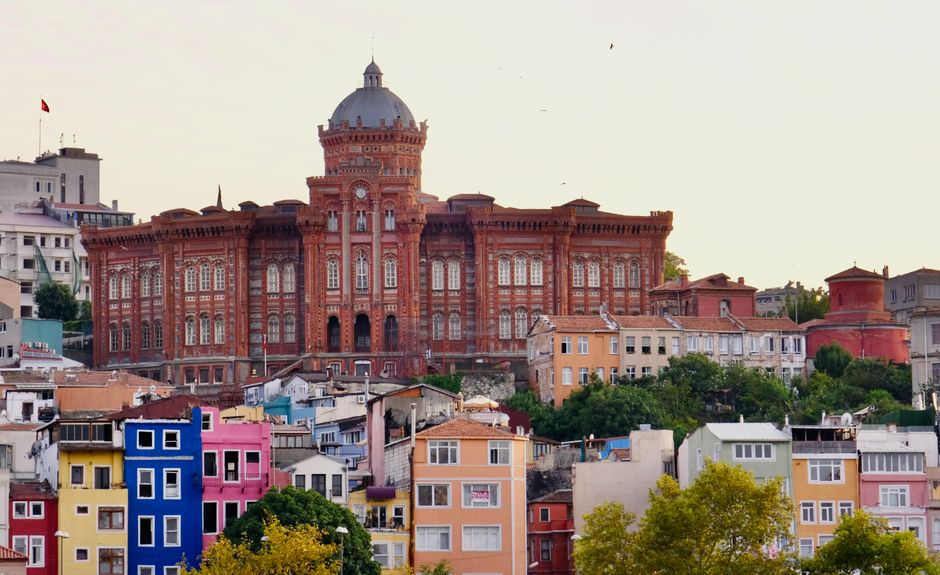
The first decision concerns the Fatih and Beyoğlu densification project. The Metropolitan Municipality's current proposal would permit developers to increase building heights in these Ottoman-era neighbourhoods by up to 20 percent, with the theory that new supply will ease pressure on prices. Critics argue this risks destroying the architectural heritage that makes these areas economically valuable in the first place. The Greater Istanbul Chamber of Commerce will present alternative density models by September, potentially forcing a redesign of the entire scheme.
Secondly, authorities must determine the fate of Boğazköy, the sprawling informal settlement on the city's Asian edge housing approximately 180,000 residents. A promised relocation programme to new social housing in Başakşehir has stalled due to funding disputes between municipal and national government. Without resolution by October's budget cycle, 40,000 families face the prospect of forced evictions without adequate alternative housing—a scenario that would create humanitarian and political chaos.
Perhaps most significantly, the city must finally enact meaningful rent stabilisation. Istanbul's tenancy laws currently offer almost no protection to long-term renters, with landlords able to demand year-on-year increases of 20-30 percent. A proposed ordinance to cap increases at inflation plus 5 percent has been drafted but awaits mayoral signature. Property investor groups are mobilising intense pressure against it, warning of reduced construction investment. This decision will likely come in July.
Real estate developers have invested heavily in Pendik, Maltepe, and Kağıthane, wagering that upward mobility and motorway expansions will indefinitely justify premium pricing. That gamble depends on the city remaining attractive to international talent and capital. Yet without visible progress on housing accessibility, Istanbul risks losing the very demographic—young professionals, start-up founders, cultural workers—that justifies its global city aspirations.
The decisions ahead are not primarily technical. They are fundamentally about who Istanbul is for. City Hall has until autumn to answer that question with concrete policy. The stakes for Turkey's largest metropolitan area have never been higher.
This article was compiled by AI from the sources linked above and screened before publishing. See our editorial standards.