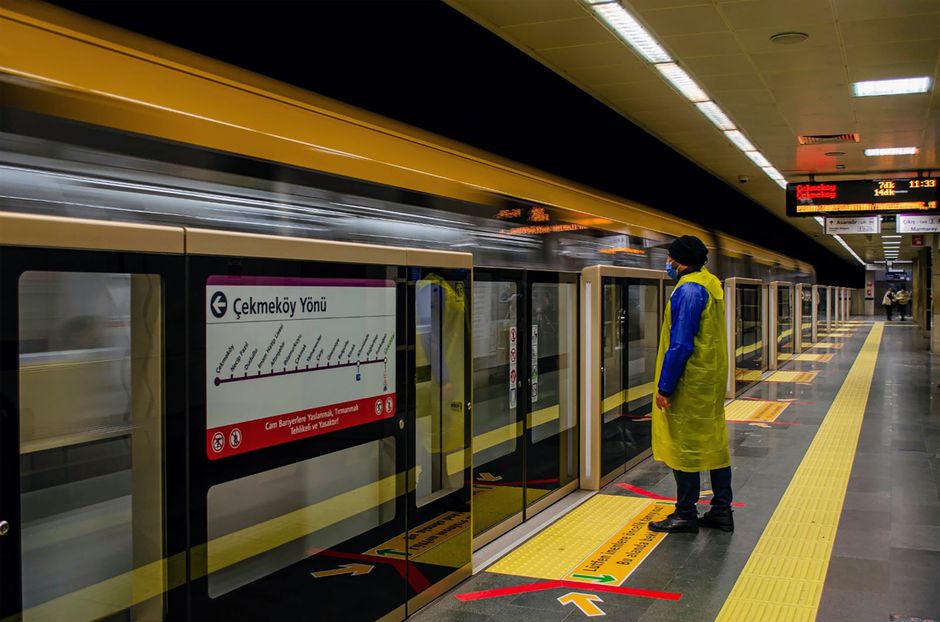
For Ayşe Kaya, a nurse at Cerrahpaşa Hospital, the 90-minute commute from her apartment in Bahçelievler to the medical campus in Fatih represents more than lost time—it's a daily reminder of Istanbul's transport crisis. But that reality may soon change. The Metropolitan Municipality's latest metro expansion programme, scheduled to complete 47 kilometres of new track by 2028, promises to reshape how the city's 16 million residents navigate their daily lives.
The M7 line extension towards Kayaşehir and the ongoing work on the M6 towards the airport represent the most ambitious infrastructure push since the Marmaray tunnel opened in 2013. Completion of these projects will directly serve an estimated 2.3 million daily commuters currently reliant on surface transport—buses and minibuses that clog arteries like Kennedy Caddesi and the E-5 highway. Studies by Istanbul Technical University suggest the new lines could reduce average commute times by 35 minutes for residents in outer neighbourhoods like Küçükçekmece and Esenyurt.
Yet the path to progress carries immediate costs. Construction around Yenikapi's main transport hub has already increased local business closures by 12 per cent according to the Chamber of Commerce. Shop owners on surrounding streets report footfall drops of nearly 40 per cent. Residents of Zeytinburnu and Bakırköy face ongoing roadworks that have congested alternate routes and frustrated merchants dependent on foot traffic.
The economic case, however, remains compelling. Istanbul's annual congestion toll—placed at $32 billion by the World Economic Forum—far exceeds the €8 billion investment. For working families already stretched by rising transport costs averaging 850 lira monthly, faster commutes translate directly into saved time that could mean additional income or family time. University students commuting to Bosphorus campuses could reclaim hours weekly currently lost to buses and transfers.
The real test lies in execution. Previous metro projects in Istanbul have faced delays and cost overruns. The 2019 Gebze-Halkalı Marmaray extension arrived two years behind schedule. What distinguishes the current programme is increased transparency: the municipality publishes monthly progress reports on its website, and a dedicated hotline fields resident complaints about construction impacts.
For Kaya and millions like her, the coming 24 months of disruption represent an investment in a different Istanbul—one where transport moves people rather than the reverse.
This article was compiled by AI from the sources linked above and screened before publishing. See our editorial standards.