Walking through Taksim Square on a June morning, Istanbul residents are witnessing a transformation that goes beyond urban aesthetics. The city's ambitious sustainability drive—accelerated over the past eighteen months—is directly affecting how millions live, work, and breathe in one of Europe's most densely populated metropolitan areas.
The numbers tell a compelling story. Istanbul's air quality index, which regularly exceeded 150 (unhealthy levels) during winter months just three years ago, has improved by roughly 22 percent following stricter emissions controls and expanded green zones. For families in Beşiktaş and Şişli, where respiratory complaints among children previously spiked annually, this measurable improvement represents genuine relief.
Perhaps most visibly, the metropolitan municipality's initiative to restore the Golden Horn waterfront has transformed recreational access for working-class neighbourhoods. The cleanup project, which began in 2024, has already reclaimed over 8 kilometres of shoreline, creating pedestrian pathways and pocket parks where residents from Balat to Kasımpaşa can exercise without paying premium gym fees—a significant factor in a city where monthly fitness memberships average 400-600 Turkish lira.
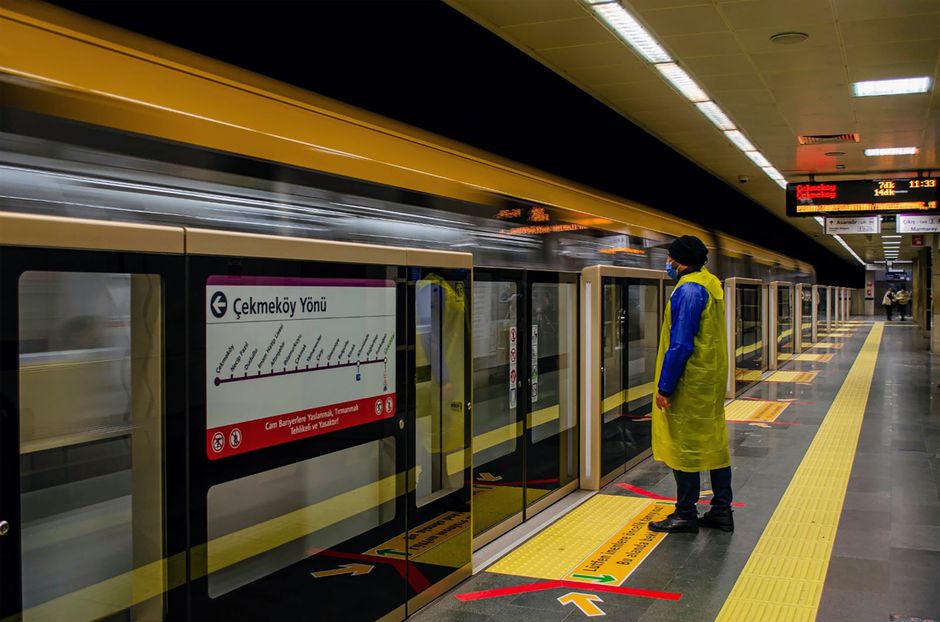
Public transportation expansion adds another layer of community benefit. The new tram extension serving Zeytinburnu and Bakırköy is expected to reduce household transportation costs by approximately 15 percent while cutting individual carbon footprints. For commuters facing Istanbul's notorious traffic, this promises time savings worth roughly five hours weekly per person.
Local sustainability efforts extend to neighbourhood-level initiatives. The municipality's support for community gardens in Fatih and Eyüp has enabled residents to grow produce locally, addressing food security concerns and building social cohesion in areas where many households spend 30-35 percent of income on groceries.
Water conservation remains critical. Istanbul's reservoirs dipped to concerning levels during 2023-2024, threatening supply to 15 million residents. New sustainable agriculture practices implemented in surrounding provinces are reducing agricultural water demand by 18 percent, indirectly stabilizing household water availability and costs.
Yet challenges persist. Waste management in districts like Küçükçekmece still requires investment, and air quality remains seasonal. The real test lies in sustained commitment beyond political cycles.
For Istanbul residents, these aren't abstract environmental policies—they're about breathing cleaner air, accessing affordable recreation, reducing household expenses, and securing resources for their children. The city's sustainability journey directly translates into quality-of-life improvements that resonate across neighbourhood boundaries.
This article was compiled by AI from the sources linked above and screened before publishing. See our editorial standards.