Istanbul rental prices fall as vacancy rates rise
Premium districts see climbing vacancies, signaling shift toward renters' market after years of landlord advantage.
Premium districts see climbing vacancies, signaling shift toward renters' market after years of landlord advantage.
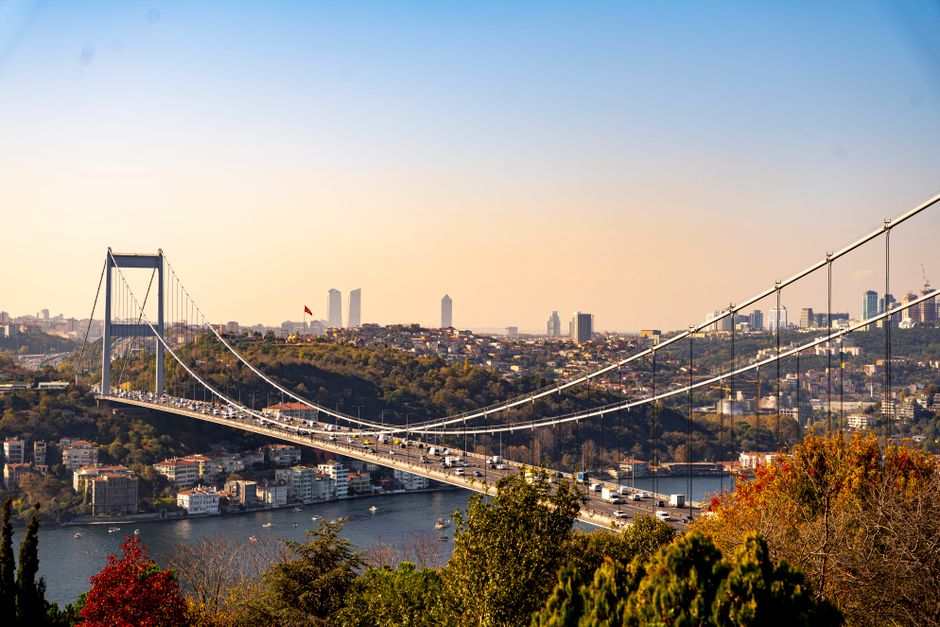
Istanbul's rental market is entering uncharted territory. While landlords in Besiktas and Beyoglu have long enjoyed near-zero vacancy rates, recent auction house data and transaction volumes suggest the advantage is quietly shifting toward tenant bargaining power—a reversal few predicted twelve months ago.
The numbers tell a compelling story. Average asking rents in central Besiktas remain stubbornly high at around USD 3,200–3,500 per square metre annually, but the number of listings sitting vacant for 60+ days has nearly tripled since early 2025, according to property platforms tracking the Bosphorus-side premium belt. Meanwhile, auction results from major houses show fewer properties moving at asking price, with discounts of 8–12 percent now commonplace—particularly for investment apartments marketed as buy-to-rent assets.
This divergence is instructive. The citizenship-by-investment wave that fuelled foreign demand through 2024 has moderated considerably. International buyers are still active, but they're increasingly selective, gravitating toward trophy assets around Ortakoy and Rumeli Hisar rather than speculative mid-range units. That's left a swollen inventory of standard rental stock across Sisli and parts of Kadikoy's burgeoning eastern shore.
For renters, the implications are practical. Negotiating leverage has returned to neighbourhoods like Nisantasi and Cihangir, where landlords now face genuine competition. Tenants exploring three-year leases—still the Istanbul norm—can reasonably expect 5–7 percent annual rent reductions in secondary prime areas, and longer-term stability clauses that were unthinkable in 2023.
Kadikoy presents a different picture. Asian-side neighbourhoods from Moda to Bagdat Caddesi are experiencing sustained demand from young professionals and families, keeping vacancy rates below 4 percent. Prices there have held steadier, hovering near USD 2,000–2,300 per square metre, though transaction volume has softened against wider macroeconomic headwinds.
The auction data most worth watching involves conversion properties—older residential buildings being repositioned as short-let rentals. Their sale prices are declining, suggesting landlord confidence in that model is waning. For long-term renters, this is directional: expect a modest normalization of availability as owner-investors reassess their strategies.
The message from the market is clear. Istanbul's rental landscape is rebalancing after years of imbalance. Tenants with flexibility and timing on their side—particularly those willing to commit to longer leases away from the Bosphorus-facing premium strip—are positioned better than at any point in the recent cycle. For landlords, the days of take-it-or-leave-it terms have quietly ended.
This article was compiled by AI from the sources linked above and screened before publishing. See our editorial standards.
How does this story make you feel?
Spread the word
About this article
Published by The Daily Istanbul
Daily brief
Free, in your inbox before 7am. Weekdays.
More in Property