Gold at $4,187, a Falling Lira and a Window Istanbul's Exporters Won't Want to Miss
A volatile July 4 session in global markets is reshaping the calculus for Turkish manufacturers, commodity traders and the banks financing them.
A volatile July 4 session in global markets is reshaping the calculus for Turkish manufacturers, commodity traders and the banks financing them.

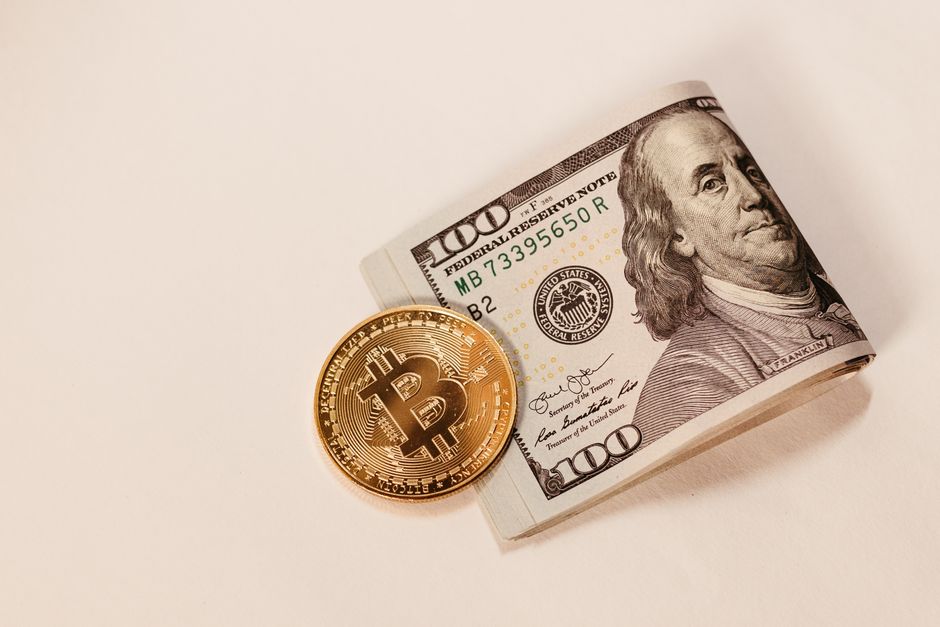
Gold broke above $4,187 an ounce on Friday, a gain of more than four percent in a single session, and for anyone sitting in Istanbul watching their lira-denominated costs tick upward, that number deserves attention. The move in bullion was the sharpest single-day advance in months, and it arrived alongside a six-point-six-six percent surge in Bitcoin to $62,456, a broad equity rally that pushed the S&P 500 to 7,483 and a dollar that continued to weaken against the euro, with EUR/USD printing 1.1440. Together, the signals point to one thing: investors are moving money out of the dollar and into hard assets and risk, and Turkish operators positioned on the right side of that trade are already counting the gains.
The most immediate beneficiary is Turkey's gold sector. The country is a substantial physical gold importer and processor, and a sustained move in spot prices lifts the margin on refined product exported to European jewellery markets and Gulf sovereign buyers. Borsa Istanbul's precious metals and mining-linked equities edged higher through the morning session as traders priced in the international move. The domestic gold market in Istanbul's Grand Bazaar, one of the world's largest physical trading floors for the metal, tends to lag spot by hours rather than days; dealers there were already quoting adjusted rates by mid-morning, according to market participants familiar with the district's pricing conventions.
Oil tells a different story. WTI crude slid to $68.78, a drop of two-point-seven-eight percent, which cuts two ways for Turkey. The country imports the vast majority of its crude, so cheaper oil is a direct subsidy to the current account, which has been a persistent source of lira pressure. A sustained retreat in energy prices would ease import costs, reduce the monthly fuel subsidy burden the Treasury carries and give the Central Bank of the Republic of Turkey more room to hold its policy stance without stoking inflation further. Energy remains the single largest line item in Turkey's trade deficit, so even a modest directional shift in WTI is material.
The weaker dollar is reshaping the competitiveness calculation for Turkish manufacturers. When EUR/USD rises to 1.1440, as it did Friday, Turkish exporters selling into the eurozone effectively gain pricing headroom without touching their invoice currency. A textile producer in Bursa or a white-goods manufacturer in Gebze quoting in euros sees its lira-equivalent revenue rise as the single currency strengthens, even if the underlying contract price is unchanged. That dynamic has been playing out for several weeks, but Friday's move extended it. Sector representatives at the Istanbul Chamber of Commerce have noted an uptick in forward contract inquiries from exporters looking to lock in favourable rates before any reversal.
Turkish banks, which have spent the past two years rebuilding capital buffers under close BDDK regulatory oversight, are positioned to intermediate much of the resulting activity. Several of the larger listed lenders, including those on Borsa Istanbul's BIST Banking Index, have been expanding trade-finance desks and FX hedging products, anticipating exactly this kind of environment: a weaker dollar, elevated commodity prices and a domestic client base hungry for instruments that protect margins. Net interest income under high-inflation conditions remains robust, and loan growth in the commercial segment has been running ahead of consumer lending for several consecutive quarters.
Bitcoin's jump to $62,456 is worth noting separately for Istanbul. Turkey consistently ranks among the top five countries globally for per-capita cryptocurrency transaction volume, a direct consequence of the public's long experience with currency volatility and a deep familiarity with alternative stores of value. When risk appetite surges globally and Bitcoin moves sharply, Turkish retail participants tend to be disproportionately active. Local crypto exchanges reported elevated trading volumes through Friday morning. That appetite also feeds indirectly into fintech valuations and the broader payments ecosystem, where several Istanbul-headquartered startups have attracted attention from international growth funds this year.
The equity picture globally is constructive, with the Nasdaq Composite reaching 25,833, but Borsa Istanbul investors have learned to treat Wall Street rallies as sentiment signals rather than direct performance guides. The local index has its own inflation-adjusted dynamics, and the correlation with US tech is loose at best. What matters more in this environment is the lira's behaviour against the euro and dollar, the trajectory of Turkish inflation data due later this month and whether the global risk-on tone holds long enough to sustain foreign portfolio inflows into Turkish government securities. Those inflows, when they arrive, provide a direct floor under the lira and a meaningful reduction in the cost of sovereign borrowing. Friday's market configuration, whatever its staying power, is the kind that makes that outcome more plausible rather than less.
How does this story make you feel?
Spread the word
About this article
Published by The Daily Istanbul
Daily brief
Free, in your inbox before 7am. Weekdays.
More in Finance