Gold Surges Past $4,187 as Safe-Haven Demand Overrides Risk Rally
Bullion's 4.1 percent single-session gain signals deep investor anxiety even as equities climb, and Istanbul savers holding lira-denominated gold instruments are watching closely.
Bullion's 4.1 percent single-session gain signals deep investor anxiety even as equities climb, and Istanbul savers holding lira-denominated gold instruments are watching closely.

Gold hit $4,187 a troy ounce on Friday, a gain of 4.10 percent in a single session, in what veteran traders described as one of the more dissonant days in recent memory. The S&P 500 rose 1.71 percent to 7,483 and the Nasdaq Composite added 1.87 percent to reach 25,833, yet bullion did not behave like a hedge that had outlived its purpose. It accelerated. That simultaneous flight into both risk assets and the classic refuge metal tells you the underlying anxiety has not resolved; it has simply been papered over by equity momentum.
Several forces are converging on the gold market at once. Central bank buying, which has run at historically elevated rates since 2022 as reserve managers in Turkey, China, Poland and elsewhere diversified away from dollar-denominated Treasuries, continues to provide a structural floor. On top of that, real interest rates in the United States have shifted in tone: markets are pricing in Federal Reserve cuts later in 2026, which compresses the opportunity cost of holding a non-yielding asset like gold. Then there is the dollar itself. The euro gained 0.47 percent against the greenback on Friday to reach 1.1440, extending a broader weakening trend for the dollar index that has run through much of the second quarter. A softer dollar is rocket fuel for dollar-priced commodities, and gold is no exception.
For readers in Istanbul the calculus is layered. The Turkish lira has spent years as one of the world's most volatile major currencies, and domestic inflation, while having retreated from its 2022 peak, remains structurally elevated well above the central bank's medium-term target. Ordinary savers who moved a portion of their holdings into gold-linked instruments, whether through Borsa Istanbul's Kiymetli Madenler Piyasasi (the Precious Metals Market), gold-backed certificates traded on the exchange, or the gold deposit accounts offered by state and private banks, are sitting on substantial paper gains. A 4 percent move in dollar gold terms translates into an even larger lira gain on any day the lira softens concurrently, which amplifies the appeal of the metal as both a store of value and an inflation hedge within the domestic savings architecture.
Borsa Istanbul's mining and metals-linked equities have tracked the global bullion move with enthusiasm. The Istanbul Gold Refinery, known as IAR, is among the largest gold refiners in the world by capacity, and the broader Turkish mining sector has long been an underpublicised component of the Borsa Istanbul universe. When spot gold makes a move of this magnitude, companies with production or refining exposure see order books reprice rapidly. Turkish pension funds, which operate under the Bireysel Emeklilik Sistemi framework, hold allocations to commodity-linked assets as a hedge against local currency depreciation, and a Friday session like this one will flatter those quarterly statements considerably.
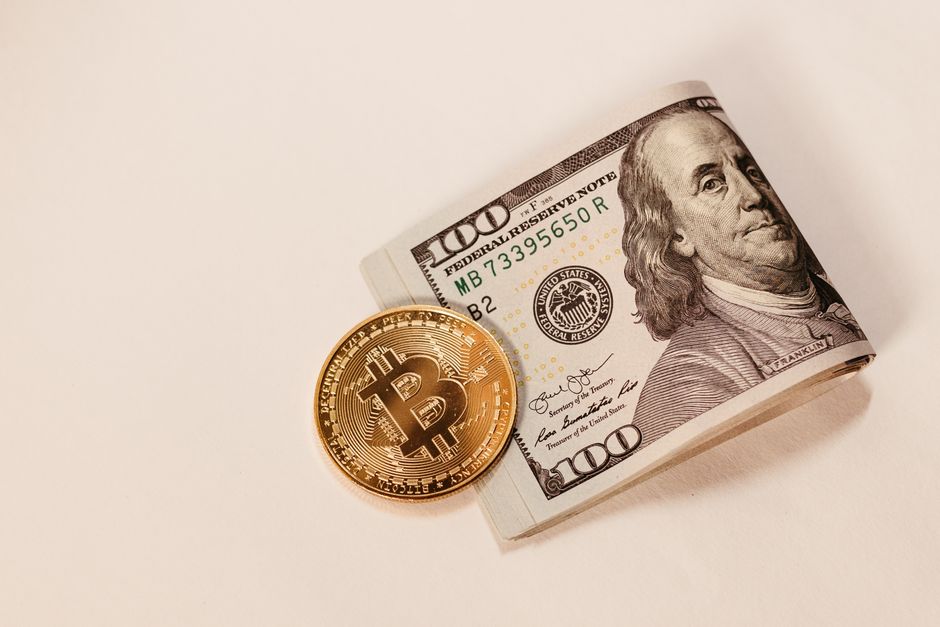
Bitcoin's 6.66 percent jump to $62,456 complicates the clean safe-haven narrative somewhat. Crypto enthusiasts have long argued that digital assets should absorb the same fear-driven capital flow as gold. Friday gave both camps something to cheer, which itself hints at the breadth of the unease circulating through institutional and retail portfolios alike. Whether that reflects genuine macro anxiety or a short-squeeze dynamic in thin pre-holiday trading is a debate that will run into next week. What is harder to dismiss is that gold's gain arrived alongside falling oil prices: WTI crude dropped 2.78 percent to $68.78 a barrel, a move consistent with slowing demand expectations and softening global growth signals. Gold rising while oil falls is a configuration that historically precedes caution in cyclical equity sectors.
The oil slide deserves attention from Istanbul's industrialists and energy-intensive manufacturers. Turkey is a major net importer of crude, and cheaper oil has a direct disinflationary effect on the current account deficit, one of the structural vulnerabilities that the Central Bank of the Republic of Turkey has cited repeatedly in its monetary policy communications. A sustained move lower in WTI would give the TCMB more room to manage rates without stoking imported inflation, even as the gold price surge suggests global investors are not uniformly convinced that the macro environment is stabilising.
The headline number, $4,187, represents more than a short-term trade. It reflects accumulated distrust of paper currencies, persistent geopolitical friction across multiple theatres, and a growing consensus among reserve managers that diversification away from any single sovereign's debt is prudent rather than radical. For Istanbul's savers, who learned that lesson through hard domestic experience long before it became a fashionable talking point in Western asset management circles, Friday's session was less a surprise than a confirmation.
How does this story make you feel?
Spread the word
About this article
Published by The Daily Istanbul
Daily brief
Free, in your inbox before 7am. Weekdays.
More in Finance