Istanbul's Moment: Gold Surge, Cheap Oil and a Property Market in Transition
As gold climbs to $4,187 an ounce and crude slides below $70, Istanbul businesses face a defining second half that rewards the well-positioned and punishes the complacent.
As gold climbs to $4,187 an ounce and crude slides below $70, Istanbul businesses face a defining second half that rewards the well-positioned and punishes the complacent.
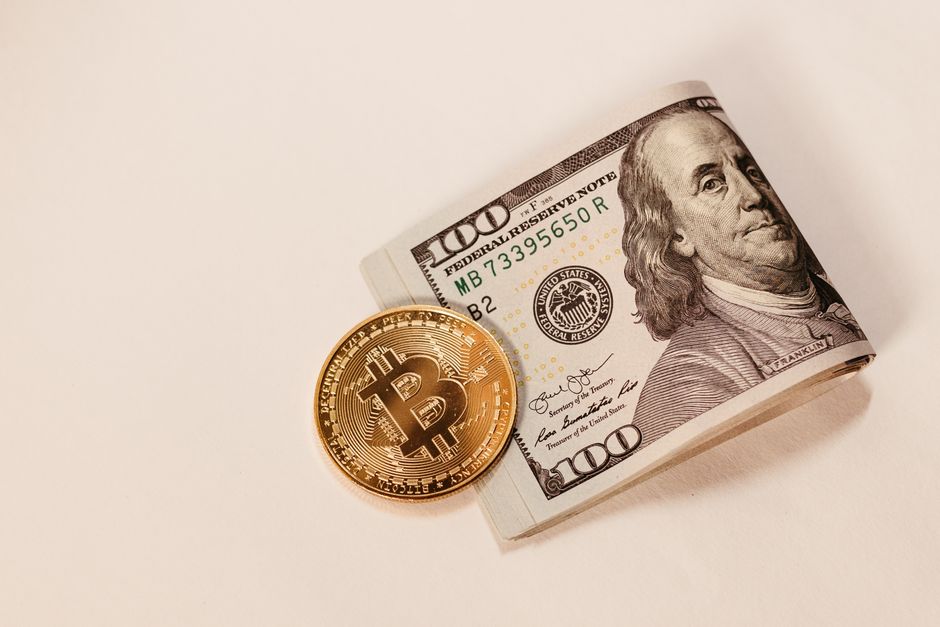
Gold hit $4,187 per troy ounce on Friday, a 4.1 percent single-session gain that sent a clear signal through every lira-sensitive trading desk in Istanbul: the global appetite for hard-asset protection is not fading. For businesses and households along the Bosphorus, where gold savings accounts at institutions such as Ziraat Bankası and Halkbank remain a mainstream inflation hedge, that move is not a distant Wall Street story. It lands directly on household balance sheets and shapes how Istanbul's upper-middle class thinks about property, equities and cash this summer.
Borsa Istanbul's benchmark BIST 100 has tracked global risk appetite cautiously through mid-2026, with technology and industrial names drawing the most consistent foreign attention. The broader rally on Wall Street, where the S&P 500 closed at 7,483 (up 1.71 percent) and the Nasdaq Composite touched 25,833 (up 1.87 percent), reflects a global mood that has not fully deserted emerging markets, even if Turkish assets remain priced for a higher risk premium. Bitcoin's 6.66 percent jump to $62,456 on the same session underlines that speculative capital is moving again, and some of it traditionally finds its way into Turkish crypto exchanges, which saw regulatory clarification under the Capital Markets Board framework introduced in late 2024.
Istanbul's real estate market in the first half of 2026 told two separate stories depending on which postcode you were reading. Premium residential districts, Levent, Maslak and the waterfront corridors of Bebek and Arnavutköy, held firm in dollar terms partly because a meaningful share of transactions involve foreign buyers paying in hard currency. In lira terms, however, affordability has deteriorated sharply. Mortgage penetration in Turkey remains structurally low compared with European peers, which means rate sensitivity works differently here: developers are more exposed to buyer financing constraints than in markets where variable-rate loans dominate household debt. Construction firms listed on Borsa Istanbul, including names in the BIST Real Estate Investment Trust index, have watched margin pressure intensify as input costs, particularly steel and cement, tracked global commodity swings.
Crude oil's slide to $68.78 per barrel, down 2.78 percent on Friday, offers a genuine near-term tailwind for Turkey, which imports virtually all of its oil. A sustained move below $70 trims the energy import bill, relieves some pressure on the current account deficit, and gives the central bank slightly more room to manage the inflation trajectory without sacrificing reserves. For logistics companies, trucking operators and petrochemical processors clustered around Tuzla and the organised industrial zones of Gebze, cheaper feedstock and fuel costs can improve operating margins within a quarter, provided the lira holds broadly stable against the dollar.
The euro's move to $1.1440, a 0.47 percent gain against the dollar, matters for a different constituency: Turkish exporters billing in euros to German, Italian and French buyers. A stronger euro, all else being equal, improves the lira-equivalent receipts for textile manufacturers in Bursa, machinery exporters in the Marmara region, and automotive supply-chain firms that remain among Turkey's most reliable hard-currency earners. Export-oriented industrials have quietly been one of the more resilient corners of Borsa Istanbul through 2026, and a sustained EUR/USD above 1.14 only reinforces that thesis.
Employment data for Istanbul specifically has shown the services sector, tourism, finance and technology, absorbing the bulk of formal job creation in 2025 and into 2026. The technology corridor developing around Atatürk Airport's redevelopment zone and the existing cluster in Maslak has attracted both domestic startups and regional headquarters of international firms seeking a hub between Europe and the Gulf. Wage pressure in professional services is real: skilled engineers, data scientists and bilingual finance professionals command salaries that have kept pace with or outpaced inflation, widening the gap between formal-sector employment and the broader urban workforce.
For business owners making capital allocation decisions right now, the picture that emerges from Friday's global session is broadly this: gold's strength suggests that institutional and retail investors alike remain nervous about geopolitical and monetary risk, even as equity markets push higher. That combination historically supports continued demand for Istanbul's gold-linked savings products and keeps a floor under real asset prices, including commercial property in prime business districts. Oil's weakness buys time on the external account. And the technology and export-industrial sectors continue to attract the most credible long-term investment cases. The second half of 2026 will not be forgiving of businesses that have delayed restructuring their balance sheets or their debt currency mix. The ones that moved early, locking in hard-currency revenues or reducing lira-denominated borrowing, enter July with tangibly more options than those that did not.
How does this story make you feel?
Spread the word
About this article
Published by The Daily Istanbul
Daily brief
Free, in your inbox before 7am. Weekdays.
More in Finance