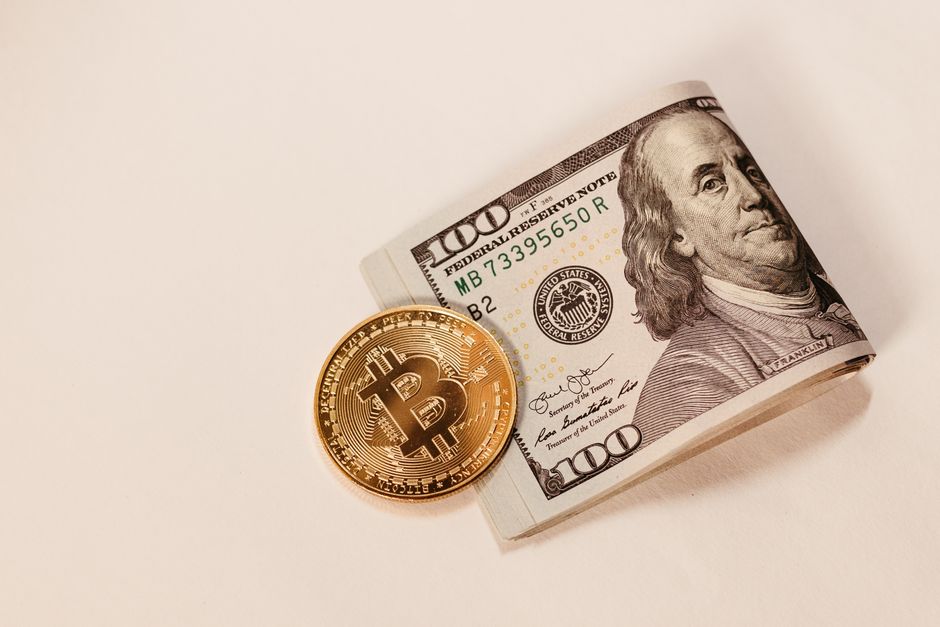
Gold hit $4,187 an ounce on Friday, a 4.1% single-session gain that left even veteran traders reaching for historical comparisons. The move was not happening in isolation. Bitcoin surged 6.66% to $62,456. The euro pushed through $1.1440. WTI crude fell 2.78% to $68.78 a barrel. Read together, these numbers tell a coherent story: investors are rotating hard away from dollar-denominated energy exposure and toward assets they consider stores of value or strategic necessities. For investors in Istanbul, where lira hedging against inflation has been a survival skill for years, the commodity complex now offers both opportunity and serious risk calculus.
The critical-minerals thesis is the sharper edge of this story. Lithium, cobalt, manganese and rare-earth elements have been discussed as the new oil for the better part of a decade, but the investment case has lurched between euphoria and disappointment. Lithium prices collapsed through 2023 and 2024 as Chinese production flooded the market and electric-vehicle demand forecasts were revised lower. The sector is clawing back credibility in 2026, driven by three converging pressures: the European Union's Critical Raw Materials Act, which mandates that the bloc source 10% of its annual lithium consumption domestically by 2030; renewed defence procurement cycles across NATO and allied nations that require rare earths for guided munitions and radar systems; and an AI infrastructure build-out that is consuming copper and specialty metals at rates that have surprised even supply-chain analysts.
Where Istanbul Fits in the Critical-Minerals Map
Turkey is not a peripheral player in this story. The country holds confirmed reserves of boron, a mineral used in nuclear applications, fibre optics and electric-vehicle components, that account for roughly 73% of the world's known deposits. Eti Maden, the state-owned mining enterprise, controls that supply. Borsa Istanbul investors have watched Eti Maden's unlisted status with frustration for years; any move toward a partial privatisation or a listed vehicle would immediately attract foreign institutional interest given global boron demand trajectories. Beyond boron, Turkish geological surveys in recent years have identified chromite, feldspar and some rare-earth mineral concentrations in central Anatolia and the eastern provinces, though commercial-scale extraction remains years away for most deposits.
For retail investors on Borsa Istanbul, the more immediate play is through listed holding companies and industrial conglomerates with exposure to global metals pricing. When gold rallies 4% in a session and the broader S&P 500 gains 1.71% to 7,483, the risk-on signal typically lifts materials and mining equities globally. Turkish investors holding dollar-denominated assets or commodity-linked instruments benefit twice: once from the asset price move, and again from any lira softness that inflates the translated value of foreign holdings. The EUR/USD rate sitting at 1.1440 matters here too, because European demand for Turkish industrial minerals is partly priced against euro-denominated contracts.
The complication is oil. WTI at $68.78 is a meaningful softening, and Turkey imports virtually all of its crude requirements. Lower oil prices reduce the energy import bill, which has historically been one of the largest contributors to Turkey's current-account deficit. That is structurally positive for the lira and for monetary policy headroom at the Central Bank of the Republic of Turkey. But falling oil also signals softening global growth expectations, and that cuts against the demand side of any critical-minerals rally. Lithium and cobalt need electric vehicles to keep selling. Copper needs construction and grid investment to continue. If crude is pricing in a slowdown, commodity bulls in the battery-metals space need to explain why industrial demand stays firm.
The answer most market participants are giving in mid-2026 is government procurement. Unlike consumer demand, which is discretionary, defence spending and energy-transition mandates in the EU and the United States are legislatively locked in. The US Inflation Reduction Act, despite surviving multiple congressional challenges, continues to channel capital toward domestic battery supply chains. That pulls lithium and graphite prices in ways that are partially insulated from the consumer cycle. Analysts covering the sector point to long-term supply contracts being signed at prices well above spot, which matters for any junior miner trying to raise project finance.
For Istanbul-based investors, the practical implication is portfolio construction. Gold at $4,187 suggests the flight-to-safety trade has room, particularly if dollar weakness persists and the Fed stays cautious on rate normalisation. The Nasdaq Composite's 1.87% gain to 25,833 indicates technology is still absorbing capital, and AI infrastructure demand is keeping copper and specialty metals in the conversation. The Borsa Istanbul investor who wants exposure to this theme without taking direct commodity price risk might look at Turkish logistics, port infrastructure and industrial chemicals companies that sit in the supply chain upstream or downstream of raw-materials extraction, sectors where the valuation case is easier to stress-test against lira volatility than outright commodity positions. The critical-minerals supercycle, if it materialises fully, will not be linear. Friday's gold surge is a signal worth tracking, not a guarantee.