Independent Theatre Istanbul: Grassroots Venues Reshaping Culture
Discover how grassroots theatre collectives in Beyoğlu and Balat are transforming Istanbul's performance scene with community-driven spaces and politically engaged productions.
Discover how grassroots theatre collectives in Beyoğlu and Balat are transforming Istanbul's performance scene with community-driven spaces and politically engaged productions.
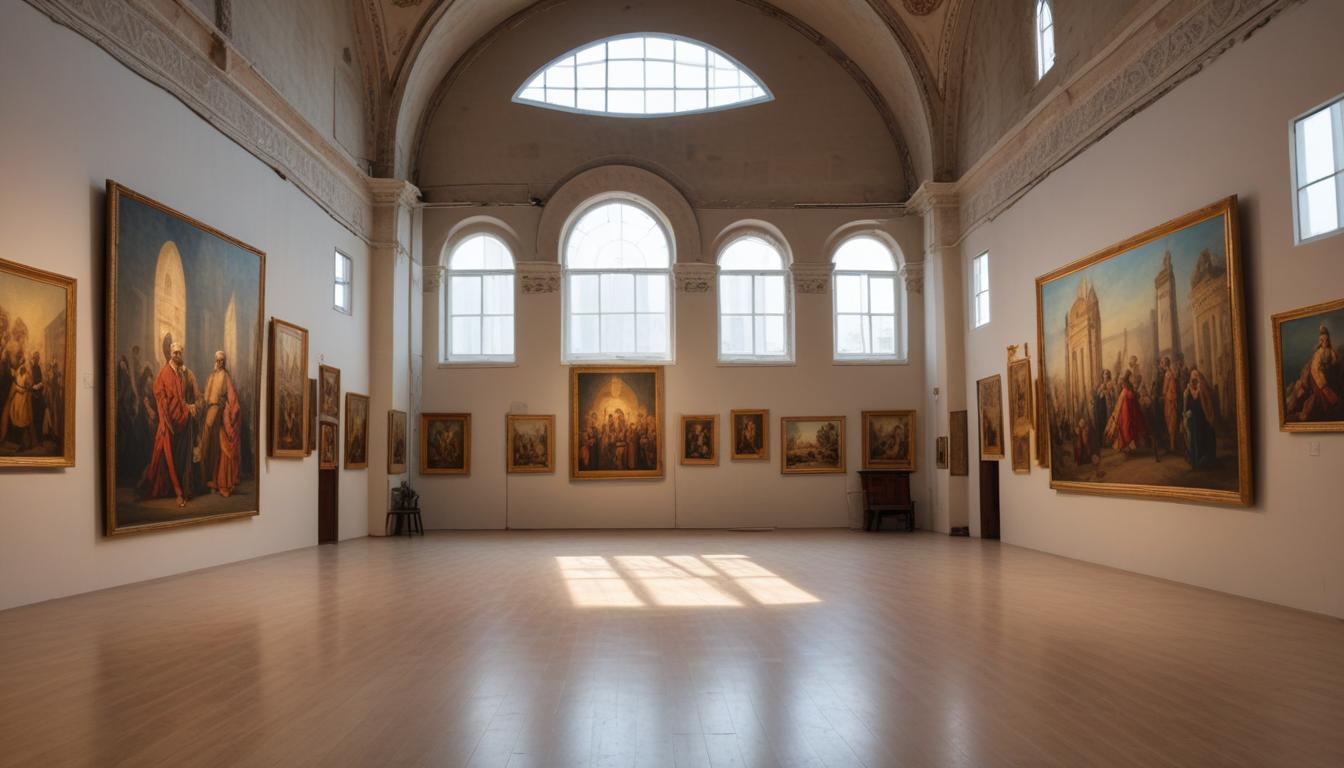
Walk down the narrow cobblestone streets of Balat on any Thursday evening, and you'll find yourself navigating a cultural renaissance that feels distinctly different from Istanbul's establishment theatre world. Cramped storefronts have transformed into intimate performance spaces. Community centres buzz with rehearsals. Independent collectives—some operating with budgets under 50,000 Turkish lira per production—are generating the kind of artistic energy that major institutions once monopolised.
This shift represents more than aesthetic preference. Over the past three years, a measurable movement has taken root, driven largely by artists in their twenties and thirties who view theatre not as entertainment commodity but as civic act. The Istanbul Independent Theatre Collective, formed in 2024, now coordinates over 40 small companies operating across Beyoğlu, Balat, and Cihangir. Ticket prices typically hover between 40-80 lira—roughly half what traditional venues like the Lütfi Kırdar Convention Centre charge—making attendance accessible to students and precarious workers.
The movement reflects broader anxieties. Amid economic uncertainty and political polarisation, these collectives have become spaces where communities gather to process collective experience through performance. Productions tackle gentrification in Balat, labour struggles in Taksim's disappearing workshops, and the psychological weight of living in a city perpetually divided by water and ideology.
Venues like the collaboratively-run studio spaces in the backstreets behind İstiklal Caddesi have become anchors for this ecosystem. Former apartments host experimental theatre. A converted warehouse near Fındıkzade now hosts three productions monthly. These aren't polished environments—exposed brick, temperamental acoustics, and audience members sometimes sitting on cushions rather than seats. Yet attendance figures suggest something resonant is happening. The Balat Performance Project reported 2,400 attendees across six productions in 2025, a 340 percent increase from 2024.
What distinguishes this movement from previous avant-garde waves in Istanbul is its deliberate democratisation. Decision-making happens collectively. Artistic output reflects neighbourhood input. Several collectives employ participatory models where audiences workshop scripts alongside performers, blurring the boundary between creation and consumption.
Cultural analysts note this coincides with declining attendance at Istanbul's mega-venues. Yet rather than zero-sum competition, many see complementarity: grassroots theatre attracts first-time attendees who graduate toward traditional institutions, while established venues increasingly collaborate with collectives on co-productions.
As June heat settles over the city, rehearsal spaces across Beyoğlu are preparing for July's festival season. The movement that once felt marginal now shapes how Istanbul experiences itself culturally—messier, more democratic, and profoundly alive.
This article was compiled by AI from the sources linked above and screened before publishing. See our editorial standards.
How does this story make you feel?
Spread the word
About this article
Published by The Daily Istanbul
Daily brief
Free, in your inbox before 7am. Weekdays.
More in culture