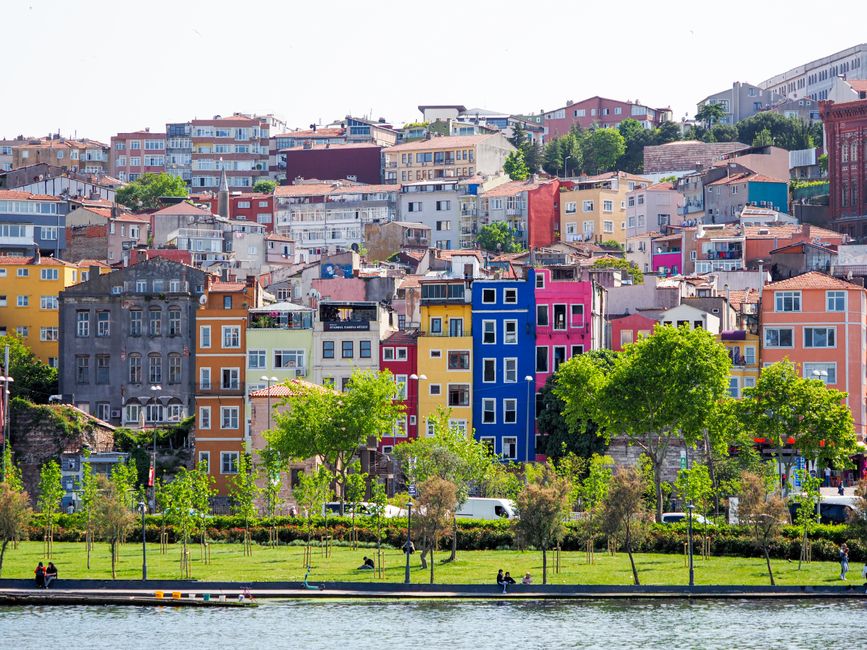
Walk down Balat's narrow cobblestone lanes today and you'll encounter a neighbourhood transformed: pastel-painted facades, artisanal cafés, galleries tucked into restored stone buildings. But this picturesque revival wasn't inevitable. It emerged from the determined work of people who refused to let their community become another erased chapter in Istanbul's relentless gentrification.
The story begins in the early 2000s, when Balat—once home to the city's Greek, Armenian and Jewish communities—had deteriorated into neglect. Wooden structures crumbled. Young people fled to outer districts. The neighbourhood's Ottoman-era character seemed destined for demolition or wholesale redevelopment by outside investors. That's when figures like the founders of the Balat Kültür ve Sanat Derneği (Balat Culture and Art Association) began systematic documentation of the area's architectural heritage, painstakingly recording building measurements, family histories and street-level memories.
What distinguished their approach from typical preservation efforts was its participatory philosophy. Rather than imposing aesthetics from above, these activists worked with existing residents—predominantly working-class Turkish families who'd occupied Balat for decades—to develop restoration projects that respected both historical integrity and contemporary liveability. The association's office, now a fixture near the Balat Mosque, became a gathering point where residents shared oral histories that informed restoration priorities.
The turning point came around 2010, when small grants from Istanbul Metropolitan Municipality and international heritage foundations enabled first restoration projects on Cihangir Caddesi and Akarsu Caddesi. These initial successes proved a model: local expertise combined with careful intervention could revive neighbourhoods without displacing them entirely. The association trained local youth in restoration carpentry—a practical investment in both cultural continuity and employment.
Today, property values in Balat have increased roughly 400 per cent since 2010, an uncomfortable reality that creators of the renaissance now navigate carefully. Recent association initiatives focus on affordable housing protections and ensuring that small businesses serving locals—not just tourists—remain viable. They've partnered with Istanbul's independent bookstores and artist collectives to maintain cultural rather than purely commercial orientation.
The broader lesson from Balat's transformation, according to cultural historians, is that authentic neighbourhood revival requires invisible infrastructure: patient documentation, community trust-building, and sustained local leadership. The colourful streets tourists photograph today represent years of unglamorous work by residents who simply refused to vanish.
This article was compiled by AI from the sources linked above and screened before publishing. See our editorial standards.