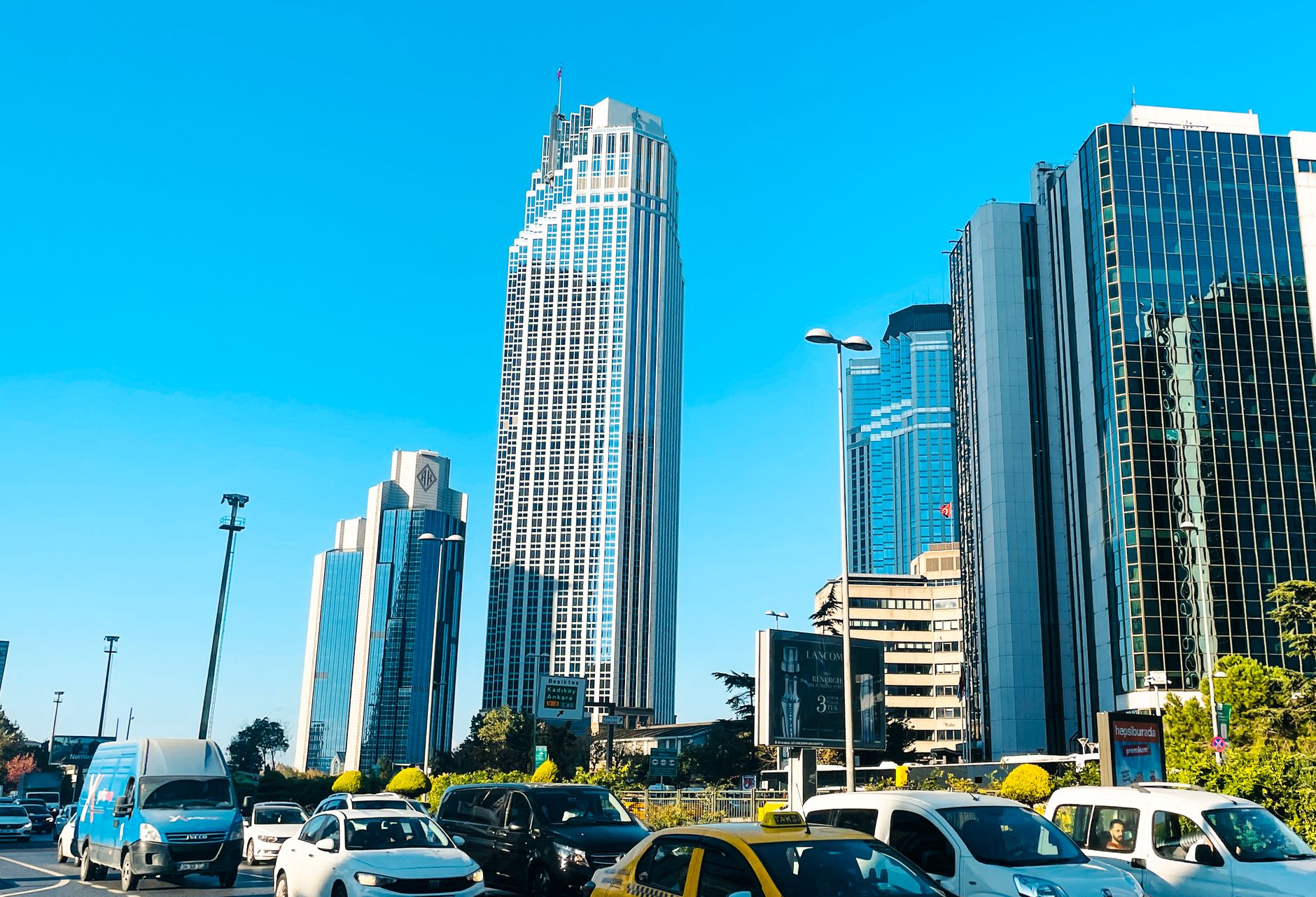
Istanbul's Zeytinburnu district has always hummed with commercial activity. Today, that hum has intensified into something closer to a roar. The neighbourhood, home to sprawling warehousing and logistics operations, is experiencing unprecedented demand for supply chain professionals, data analysts, and customs specialists—a direct consequence of how global trade is being remapped in 2026.
The shift began quietly two years ago as multinational corporations reconsidered their dependency on traditional Asian manufacturing hubs and Middle Eastern transit corridors. Geopolitical tensions, port congestion in the Suez region, and the rising cost of Chinese labour have made Istanbul an increasingly attractive alternative. The city's position straddling Europe and Asia, combined with its world-class port infrastructure, has transformed it into a nerve centre for companies restructuring their supply chains.
"We're seeing companies establish regional headquarters here that previously wouldn't have considered it," explains Mehmet Aydın, director of the Istanbul Chamber of Commerce. The chamber reported a 34% increase in foreign business registrations last year, concentrated heavily in logistics, trade finance, and procurement roles.
Yet Istanbul's labour market is struggling to keep pace. A recent survey by the Turkish Exporters Assembly found that 62% of logistics and supply chain companies operating in the city report difficulty filling mid-to-senior positions. Monthly salaries for supply chain managers have risen 18% in two years, now ranging from 180,000 to 280,000 Turkish lira—a premium that reflects acute talent scarcity rather than abundance.
The pressure is visible in neighbourhoods beyond Zeytinburnu. In Maslak's gleaming office towers—where multinational trading firms cluster—recruitment agencies report competing fiercely for candidates with international experience and language skills. A junior customs analyst role that might have attracted five applicants in 2023 now draws dozens, but many lack the specific certifications or multilingual proficiency employers demand.
Universities and vocational institutes, meanwhile, have been slow to adapt. Istanbul's top business schools are expanding supply chain and logistics programmes, but graduates won't flood the market for another eighteen months. This lag is forcing companies to either poach talent from competitors or offer relocation packages to attract professionals from Ankara and İzmir.
The irony is sharp: as global commerce increasingly flows through Istanbul, the city's institutions are racing to produce the skilled workers necessary to manage it. Success is far from guaranteed, and the mismatch between demand and supply threatens to limit just how much of this reshuffled global trade Istanbul can ultimately capture.
This article was compiled by AI and screened before publishing. See our editorial standards.