Istanbul's Tech Boom Is Coming to Your Neighbourhood—Here's What You Need to Know
From rising rents in Beyoğlu to new delivery apps competing for your orders, the startup revolution reshaping the city is already affecting your daily life.
From rising rents in Beyoğlu to new delivery apps competing for your orders, the startup revolution reshaping the city is already affecting your daily life.
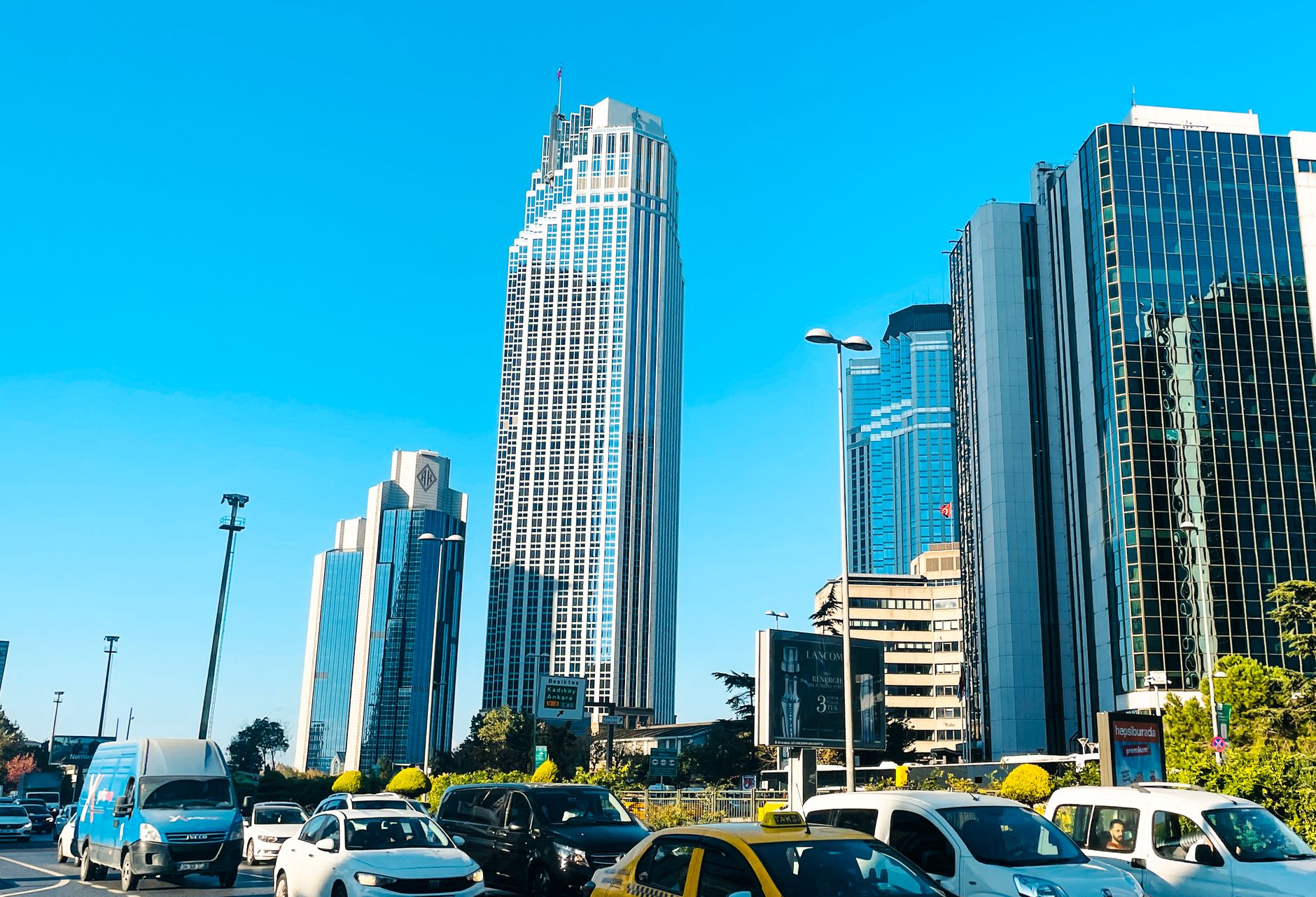
Walk down İstiklal Caddesi or through the narrow streets of Galata these days, and you'll notice something has shifted. The creative agencies and vintage bookshops that once dominated these neighbourhoods are sharing space with gleaming tech offices, co-working spaces, and the headquarters of companies you've probably already used without realizing it.
Istanbul's startup ecosystem has matured dramatically since 2024. What was once concentrated in a few office parks in Maslak has decentralized across the city—and that's changing what it costs to live and work here, what services you can access, and how local businesses operate.
The numbers tell the story. Last year, Istanbul-based startups raised over $1.8 billion in funding, according to Turkish venture capital tracking data. That's attracting thousands of young professionals to the city, driving rental prices up by 18-22% annually in formerly affordable neighbourhoods like Şişli and Beşiktaş. If you're looking to rent a one-bedroom apartment in Beyoğlu's core, expect to pay 45,000-55,000 lira monthly—double what it cost three years ago.
But the ecosystem is also creating tangible consumer benefits. The competitive delivery and fintech markets mean you now have choices. Last-mile logistics startups have reduced delivery times to under 45 minutes in central districts, while payments companies are processing transactions at lower merchant fees than traditional banks charged two years ago. Your café probably switched payment processors because of pressure from tech-driven alternatives.
The Istanbul Innovation District initiative, supported by municipal authorities, has designated Beyoğlu, Galata, and parts of Fatih as priority zones for tech investment. This has accelerated renovation of aging buildings—good news for long-term residents watching neighbourhoods improve, complicated news for those facing displacement.
What everyday residents should understand: this isn't abstract economic development. The startup boom is tangibly reshaping neighbourhoods, changing service availability, and affecting housing affordability. Meanwhile, Turkish tech companies are creating jobs—over 15,000 direct positions opened in the sector last year alone.
The key question for residents isn't whether innovation is good or bad. It's whether the growth can be managed equitably. As more startups cluster in central Istanbul, questions about affordable housing, local business preservation, and infrastructure capacity matter increasingly to anyone who calls this city home.
This article was compiled by AI and screened before publishing. See our editorial standards.
How does this story make you feel?
Spread the word
About this article
Published by The Daily Istanbul
Daily brief
Free, in your inbox before 7am. Weekdays.
More in Business


