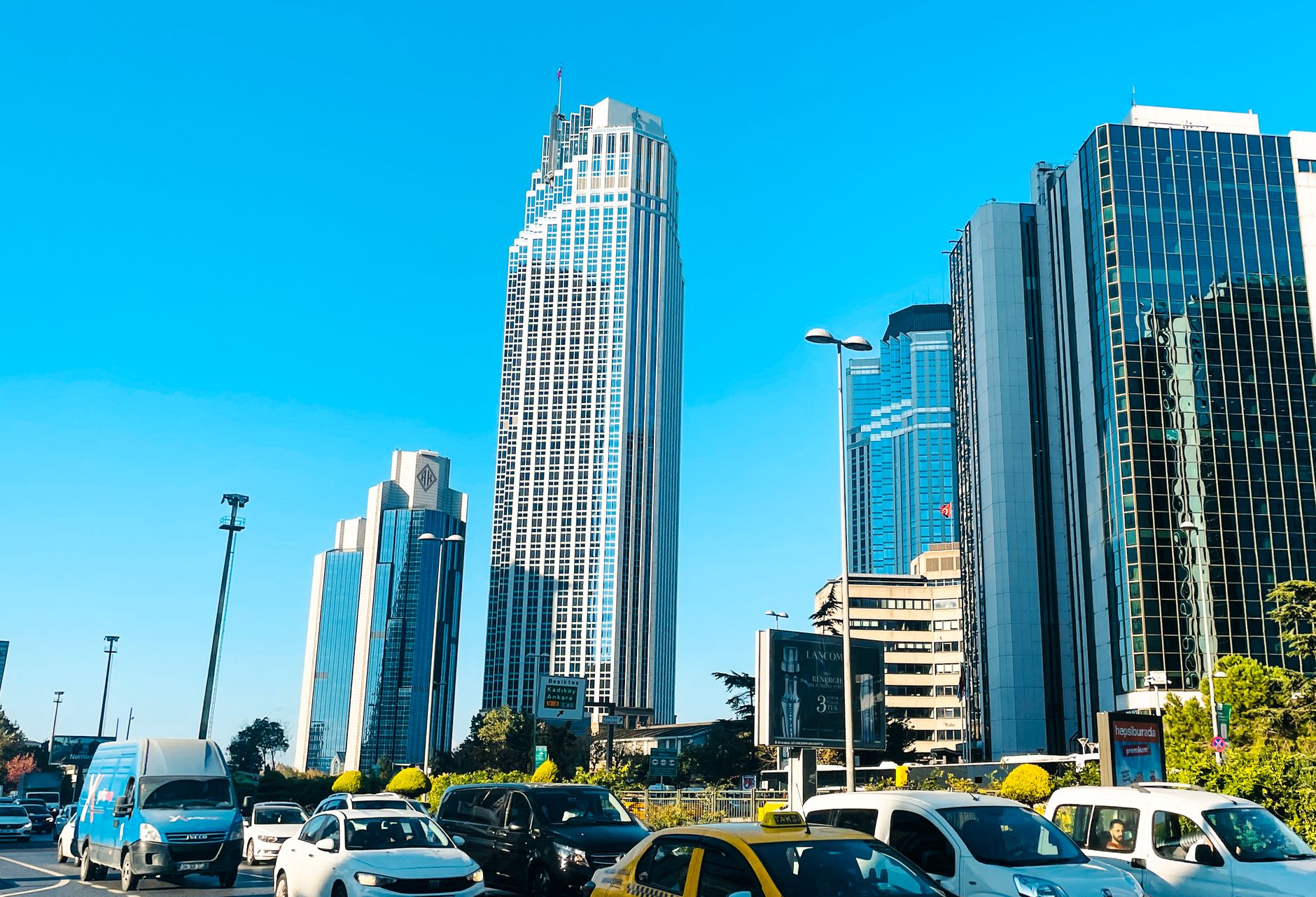
Walk through the renovated office blocks along İstiklal Caddesi and you'll see the visible marker of Istanbul's most significant labour market shift in a decade: Help Wanted signs in English, not Turkish. From fintech startups in Galata's narrow laneways to established tech hubs in the Levent business district, employers are scrambling to fill middle-management and senior technical roles with an urgency not seen since the pre-2018 boom years.
The opportunity is real. Industry surveys suggest Istanbul's technology sector added over 12,000 net new positions in 2025, with particularly acute shortages in cloud architecture, data science, and full-stack development roles. Salaries for these positions have climbed an average of 18 percent year-on-year, according to recruitment firms operating from offices near Taksim Square. A senior software engineer in Istanbul now commands between 180,000 and 280,000 Turkish lira monthly—figures that would have seemed unthinkable five years ago.
Yet who is actually benefiting from this windfall tells a more complicated story. Early beneficiaries cluster into two groups: returnees from the diaspora—Turks who worked abroad and are now relocating home—and the already-established tech workforce who accumulated experience at multinational firms like Microsoft's presence in Pendik or earlier-stage successes. These professionals leverage existing networks within the close-knit Istanbul startup ecosystem centred around venues like Hub Istanbul in Beyoğlu and WeWork spaces dotting Sisli.
Young professionals without prior tech-sector experience face steeper hurdles. Career-switchers and recent graduates report that breaking in still requires either unpaid internships, costly bootcamp certifications, or family connections within hiring circles. Premium coding academies operating from offices above cafés in Kadıköy charge upwards of 25,000 lira for intensive programmes—a significant barrier for middle-income Istanbullus.
The geographic concentration matters too. While Levent and Beyoğlu are experiencing talent wars, opportunities remain sparse in the outer districts and across the Anatolian side. This spatial inequality mirrors broader economic divides, with workers unable to navigate Istanbul's byzantine minibus and metro systems facing a de facto employment ceiling.
Yet structural constraints are loosening. Visa pathways for remote-first tech workers, increased venture capital flowing through Turkish funds, and growing pressure from European and American firms seeking lower-cost operations suggest the current window may widen. For those positioned to seize it—whether through prior experience, educational credentials, or old-fashioned networking—2026 represents a generational opportunity. For others, the question remains: how quickly can Istanbul's talent infrastructure scale?
This article was compiled by AI and screened before publishing. See our editorial standards.