Your Rent Is Rising—Here's Why the Office Market Matters More Than You Think
As Istanbul's commercial real estate undergoes rapid transformation, everyday renters and residents are feeling the squeeze in ways many don't fully understand.
As Istanbul's commercial real estate undergoes rapid transformation, everyday renters and residents are feeling the squeeze in ways many don't fully understand.
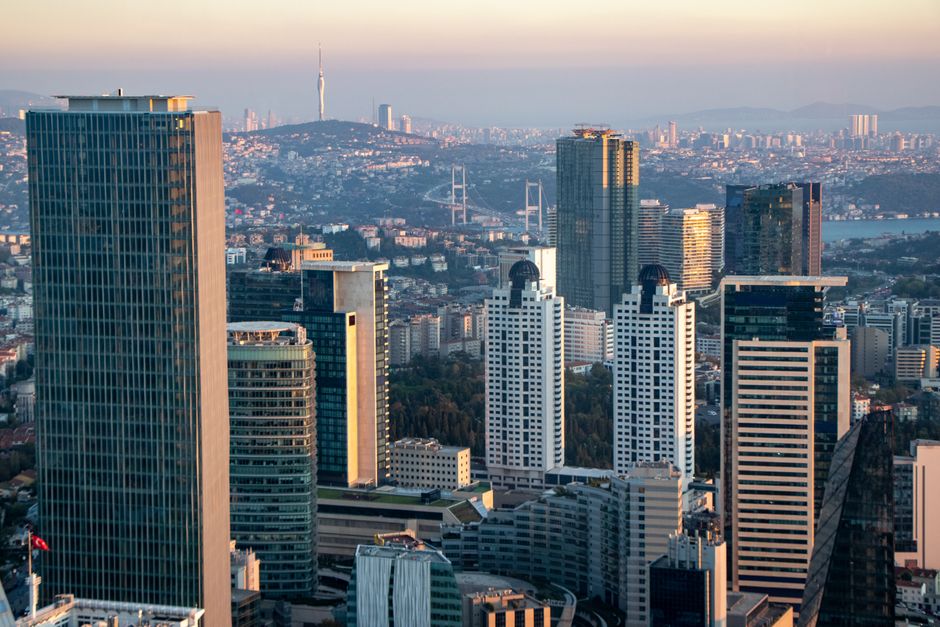
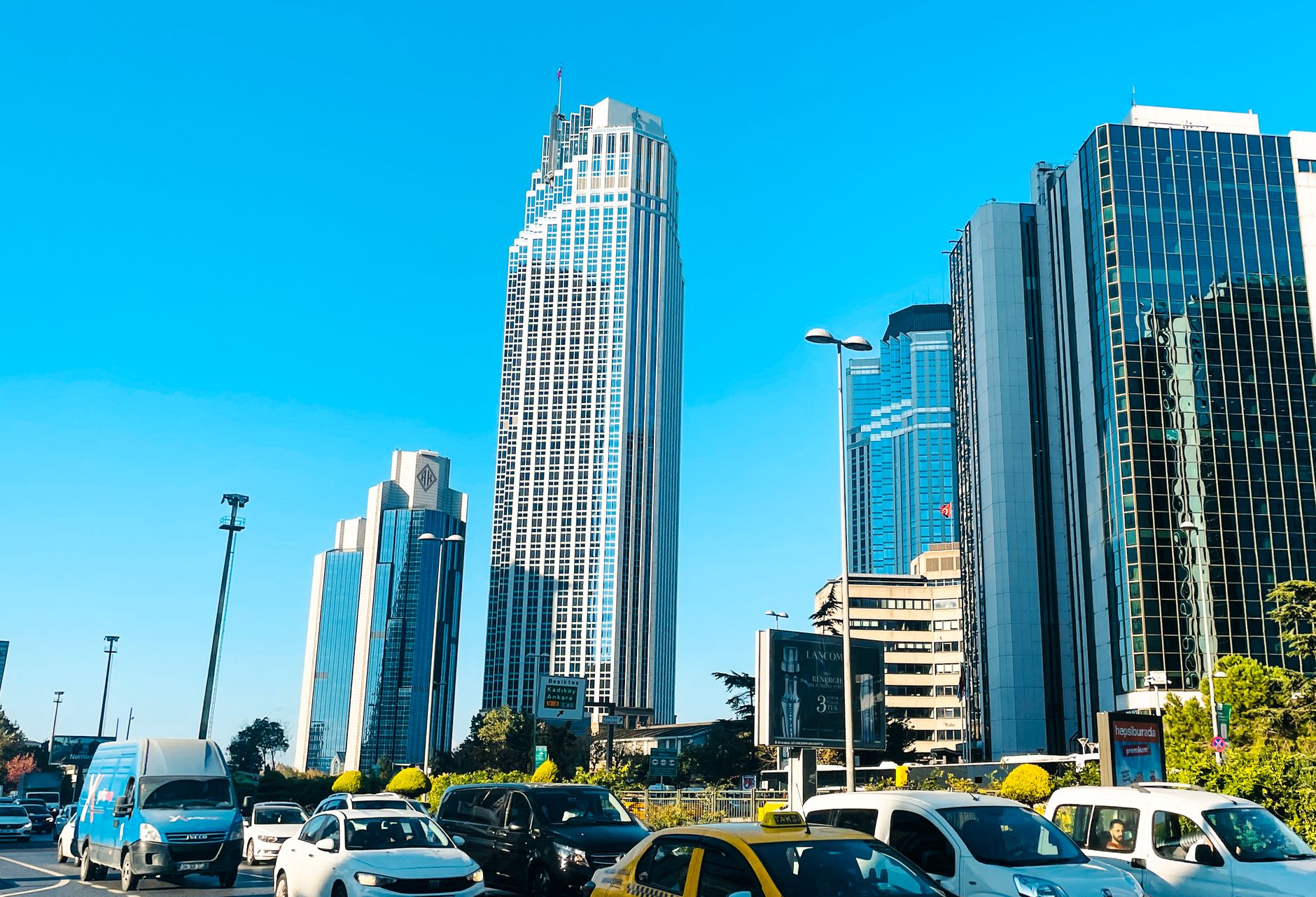
The gleaming towers rising along the Bosphorus and the persistent construction cranes dotting Levent's skyline tell a familiar story: Istanbul's commercial property market is booming. But what does this mean for the average resident navigating rental prices, neighbourhood amenities, and the city's evolving character?
The numbers reveal a city in transition. Prime office space in Maslak and Levent—traditionally the financial backbone—commands between €850 and €1,200 per square metre annually, according to recent market assessments. Yet this commercial dynamism ripples outward. As international firms and tech startups cluster in these business districts, they drive up land values in surrounding residential neighbourhoods like Etiler and Sarıyer, which subsequently pressures rents upward. A studio apartment in Etiler that rented for 25,000 TL two years ago now fetches 38,000 TL or more.
The shift towards mixed-use developments—combining offices, retail, and residential units—is reshaping entire communities. Projects along the European side's Fatih and Beyoğlu corridors exemplify this trend. What appears as convenient urban density to planners translates into crowded metro stations, congested Istiklal Caddesi, and fewer green spaces for residents who were there first. Small cafés and family-run shops are increasingly displaced by corporate chains and service businesses catering to office workers.
There's also the sustainability question. As commercial developers compete for clients seeking net-zero certified buildings and smart office infrastructure, construction permits multiply. The disruption—noise, traffic diversions, dust—falls hardest on ordinary residents, not corporate tenants who simply relocate temporarily.
The foreign investment angle cannot be ignored either. International real estate funds viewing Istanbul as an emerging market are acquiring commercial properties at scale. This concentration of ownership can mean less accountability to local communities and decisions made far from Taksim or Çankurtaran.
For residents, the practical takeaway is clear: the commercial property boom is not separate from your housing costs or your neighbourhood's livability. When developers prioritize office-to-residential conversion in established areas, supply of traditional housing shrinks. When international capital floods the market, local purchasing power matters less in price-setting.
Understanding these dynamics—tracking planning announcements in your neighbourhood, advocating for mixed-income developments, demanding environmental impact assessments—isn't academic. It's survival in a rapidly commodifying city. Istanbul's commercial transformation is real and mostly irreversible. What residents do now shapes whether they'll still afford to live here in five years.
This article was compiled by AI and screened before publishing. See our editorial standards.
How does this story make you feel?
Spread the word
About this article
Published by The Daily Istanbul
Daily brief
Free, in your inbox before 7am. Weekdays.
More in Business