Istanbul's Office Market Shifts: What Businesses Need to Know Right Now
As demand for premium workspace evolves and rental yields compress, companies must reassess their real estate strategies across the city's key business districts.
As demand for premium workspace evolves and rental yields compress, companies must reassess their real estate strategies across the city's key business districts.
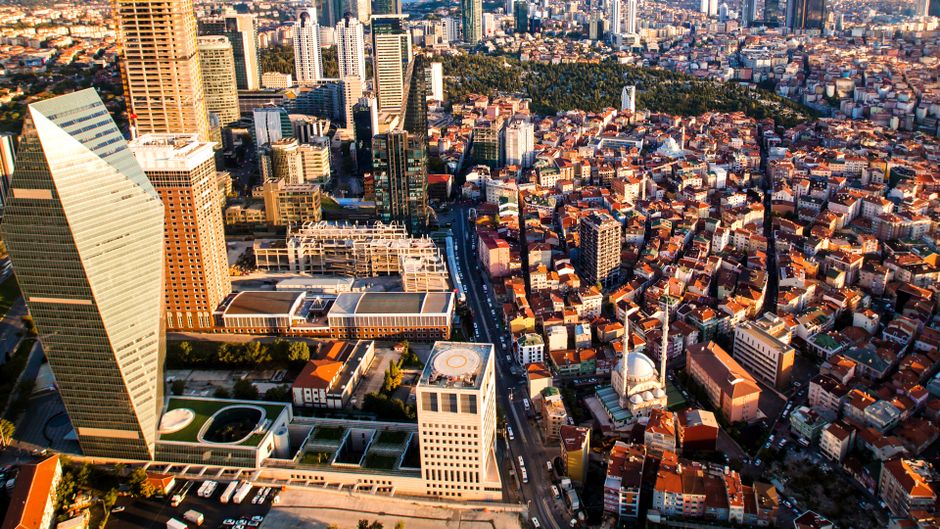
Istanbul's commercial property landscape is experiencing a significant recalibration as we enter the second half of 2026. The office market, long anchored by the Levent-Maslak corridor, is showing signs of decentralisation, with emerging demand in unexpected quarters reshaping investment patterns and tenant priorities across Turkey's largest metropolis.
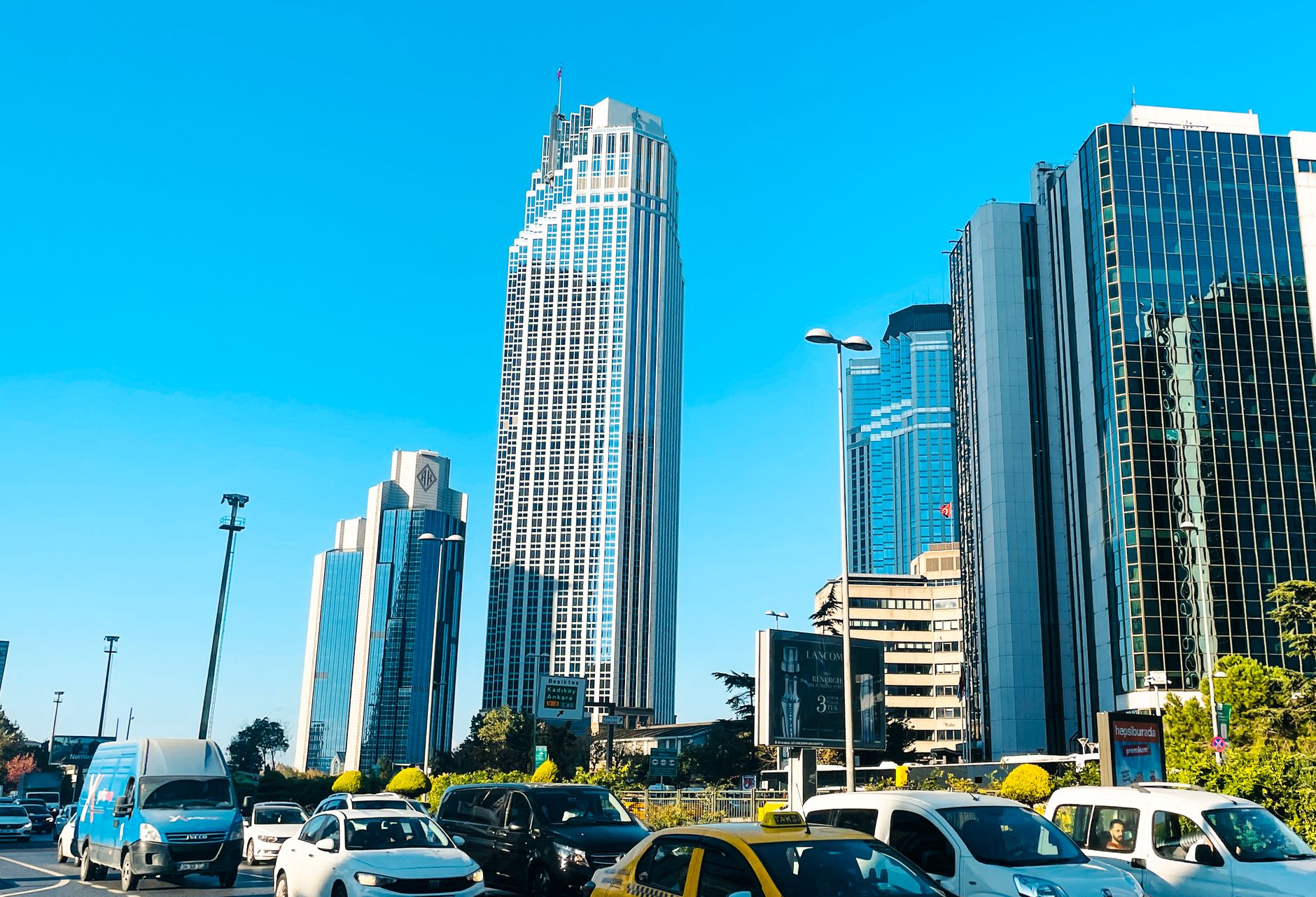
The traditional financial hub along Büyükdere Caddesi continues to command premium prices, with Class A office space trading at approximately 35-42 Turkish Lira per square metre per month. However, market observers note a persistent softening in renewal rates as multinational corporations reassess workspace efficiency following the hybrid work acceleration of recent years. Several major banking institutions have consolidated their footprints, returning excess inventory and triggering increased availability in landmark buildings.
Meanwhile, Beşiktaş and the emerging Ataşehir district are experiencing unexpected momentum. Younger companies and tech-focused enterprises are discovering value in these areas, where rents average 18-25 TL/sqm—substantially below Levent levels but in increasingly desirable neighbourhoods. The completion of new transport connections and the concentration of startup ecosystems around Ataşehir's tech parks have attracted both domestic and international venture-backed firms seeking cost-efficient operations without sacrificing connectivity.
Mixed-use developments are reshaping tenant expectations. Projects integrating office space with retail, residential, and hospitality amenities—particularly around Taksim and along the Bosphorus shores—are commanding attention from companies prioritising employee experience. However, these premium developments typically demand 45-55 TL/sqm, creating a distinct bifurcation in the market.
Sustainability credentials have become non-negotiable for institutional tenants. Buildings certified under Turkish green standards or international schemes command rental premiums of 8-12 percent, reflecting both regulatory pressures and corporate ESG commitments. Property managers unprepared for these demands risk extended vacancy periods.
For businesses navigating current conditions, several considerations demand immediate attention. First, flexibility terms have become paramount—traditional five-year leases increasingly give way to shorter commitments reflecting market uncertainty. Second, location arbitrage remains viable for cost-conscious operators willing to embrace secondary districts. Third, landlords offering turnkey solutions and managed services are gaining competitive advantage as companies streamline administrative overhead.
The investment community, meanwhile, watches rental yield compression with caution. While capital values remain relatively stable, yield deterioration—from historical 7-8 percent to current 5-6 percent levels in prime areas—has reduced asset attractiveness for yield-focused portfolios.
The message is clear: Istanbul's office market rewards flexibility, location pragmatism, and forward-thinking sustainability practices. Companies that adapt quickly will find opportunity; those clinging to legacy arrangements face headwinds.
This article was compiled by AI from the sources linked above and screened before publishing. See our editorial standards.
How does this story make you feel?
Spread the word
About this article
Published by The Daily Istanbul
Daily brief
Free, in your inbox before 7am. Weekdays.
More in Business