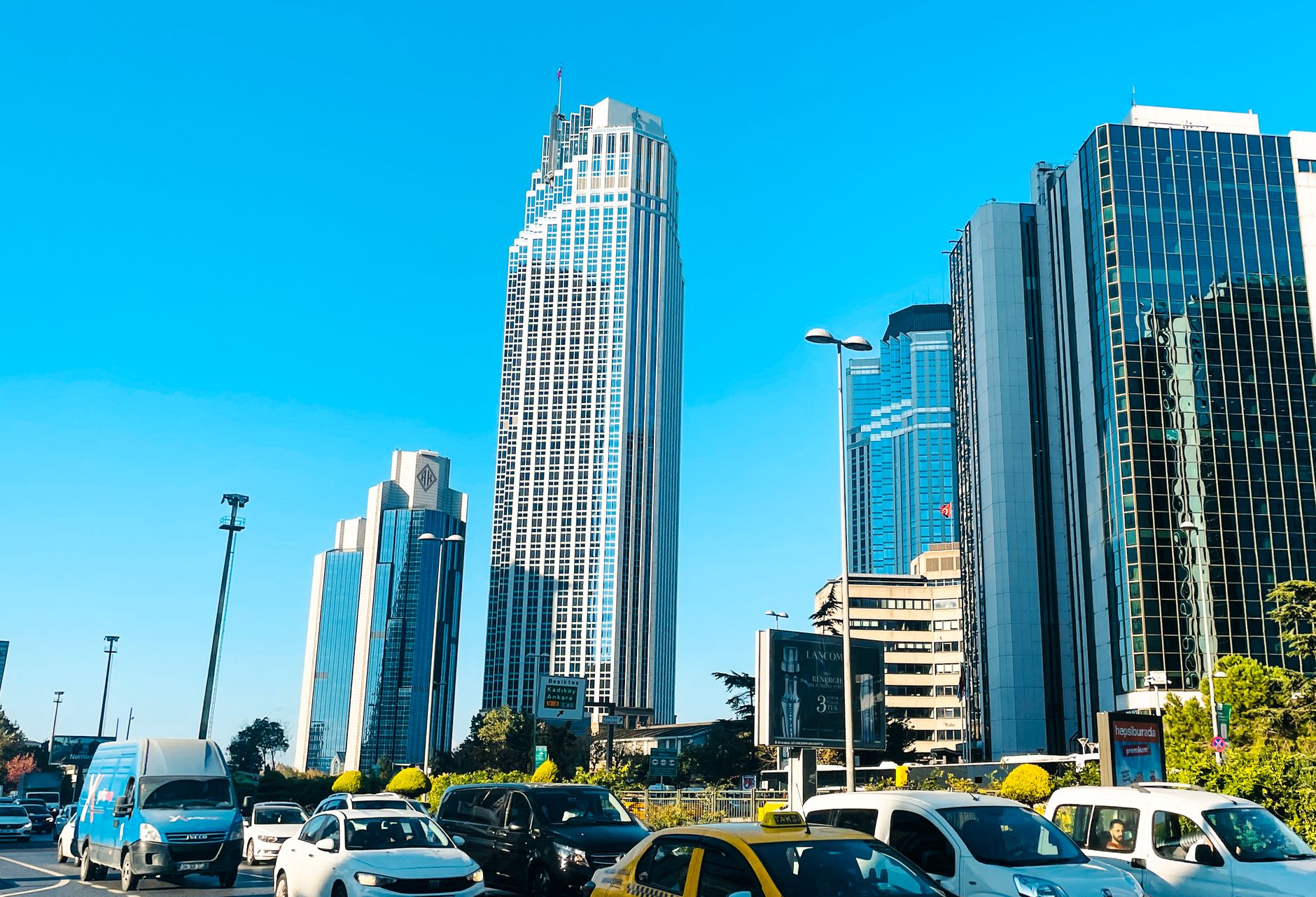
Walk along İstiklal Caddesi or through the narrow lanes of Balat, and you'll notice a peculiar economic moment unfolding. Istanbul's small business owners are at an inflection point, caught between the traditional optimism of an expanding consumer base and the harsh mathematics of a tightening credit environment.
The Central Bank of Turkey's recent policy adjustments have pushed real interest rates to their highest levels in three years. For small enterprises—the backbone of Istanbul's economy—this creates an immediate calculus: expansion now means servicing debt at costs that would have seemed unthinkable two years ago. A café owner in Kadıköy looking to open a second location, or a textile supplier in Zeytinburnu planning inventory growth, now faces borrowing costs around 28-32 percent annually.
Yet this constraint is paradoxically creating opportunity for those with existing capital. Foreign direct investment into Istanbul's service sector has increased 23 percent year-over-year, according to Istanbul Chamber of Commerce data. International investors see Turkey's political stability and strategic location as offsetting short-term monetary headwinds. Meanwhile, domestic capital—accumulated by successful business owners—is flowing away from traditional bank lending toward equity investments and shared ventures.
Consider the transformation of Şişli's commercial spine. Where five-year leases once meant automatic expansion, business owners now negotiate three-year terms with flexibility clauses. Monthly commercial rents in prime locations hover around 15,000-25,000 Turkish lira per square meter, but landlords increasingly accept revenue-sharing arrangements—evidence of supply adjusting to dampened demand.
The real story lies in sectoral divergence. Technology startups clustered around Levent and Maslak continue attracting venture capital that treats Turkish lira instability as irrelevant—their returns are priced in dollars. Traditional retail and hospitality, however, face genuine headwinds. A restaurant group planning expansion across Taksim or Beşiktaş now requires 18-month payback periods instead of the previous 24-month tolerance.
Smart entrepreneurs are reading these signals clearly. Successful small business owners report shifting from debt-financed growth to retained-earnings models, accepting slower expansion but maintaining operational independence. This conservative posture reflects neither pessimism nor weakness—it reflects sophisticated reading of where capital flows will actually support their growth.
For aspiring business owners, the message is crystalline: capital remains available, but it flows toward demonstrable cash generation and strategic positioning. In Istanbul's hypercompetitive environment, that's always been true. Economic indicators have simply made it visible.
This article was compiled by AI from the sources linked above and screened before publishing. See our editorial standards.