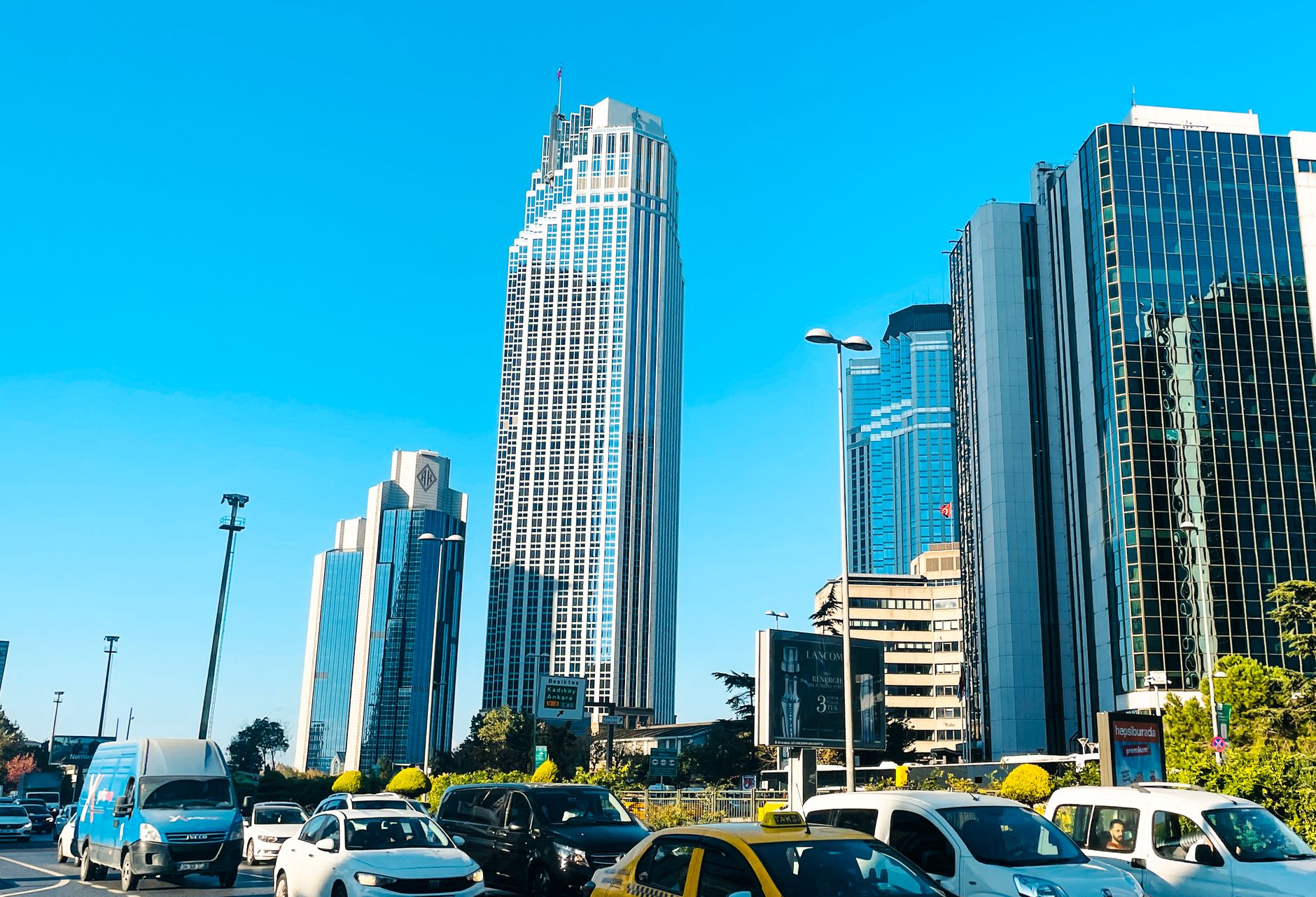
Istanbul's commercial property market has long thrived on its role as a bridge between East and West, but the current wave of global uncertainty is forcing a reckoning. Recent geopolitical tensions—from Middle Eastern volatility to unpredictable policy shifts in Western capitals—are prompting multinational corporations to reconsider their regional headquarters placement, with direct implications for office occupancy rates and rental prices across the city's premium business districts.
Data from local commercial real estate firms suggests that Grade-A office space in Levent and Maslak, traditionally commanding rental rates of $25–35 per square metre annually, has seen fluctuating demand over the past 18 months. Companies with significant Middle Eastern operations are increasingly evaluating Istanbul as a hedge against regional instability, while Western firms are conducting risk assessments that could trigger either deeper commitment or gradual withdrawal.
"We're seeing bifurcation," explains the sentiment among local property consultants. Technology and financial services firms are expanding footprints in Beşiktaş and around the Bomonti business park, betting on Istanbul's digital infrastructure and talent pool. Meanwhile, energy sector tenants—historically significant in Turkish office markets—are pulling back as global geopolitical tensions reshape investment calculus and sanctions risks loom larger.
The Sultanahmet and Eminönü waterfronts present another complication. These historically tourism-dependent zones have attracted hospitality-adjacent corporate offices, but uncertainty around Middle Eastern visitor flows and currency volatility have made long-term lease commitments riskier. Retail conversion projects in the Grand Bazaar vicinity face similar headwinds.
For Istanbul's commercial real estate sector, the paradox is clear: the city's geographic and political positioning—once an unambiguous advantage—has become a double-edged sword. Companies seeking stability may favour safer European hubs. Yet those betting on emerging market growth and Middle Eastern connectivity see Istanbul as indispensable.
Local brokers report that lease negotiations have lengthened, with tenants demanding more flexibility clauses. Landlords in Maslak are increasingly offering nine-month free periods or expanded tenant improvement allowances to secure commitments. Second-tier office corridors in Sisli and Nişantaşı are gaining traction among cost-conscious firms hedging their regional presence.
The coming quarters will reveal whether Istanbul consolidates its role as a resilient global business hub or experiences the contraction that befalls cities caught between competing power centres. For now, the city's commercial property market remains in flux—a mirror of the broader geopolitical turbulence reshaping international business strategy.
This article was compiled by AI from the sources linked above and screened before publishing. See our editorial standards.