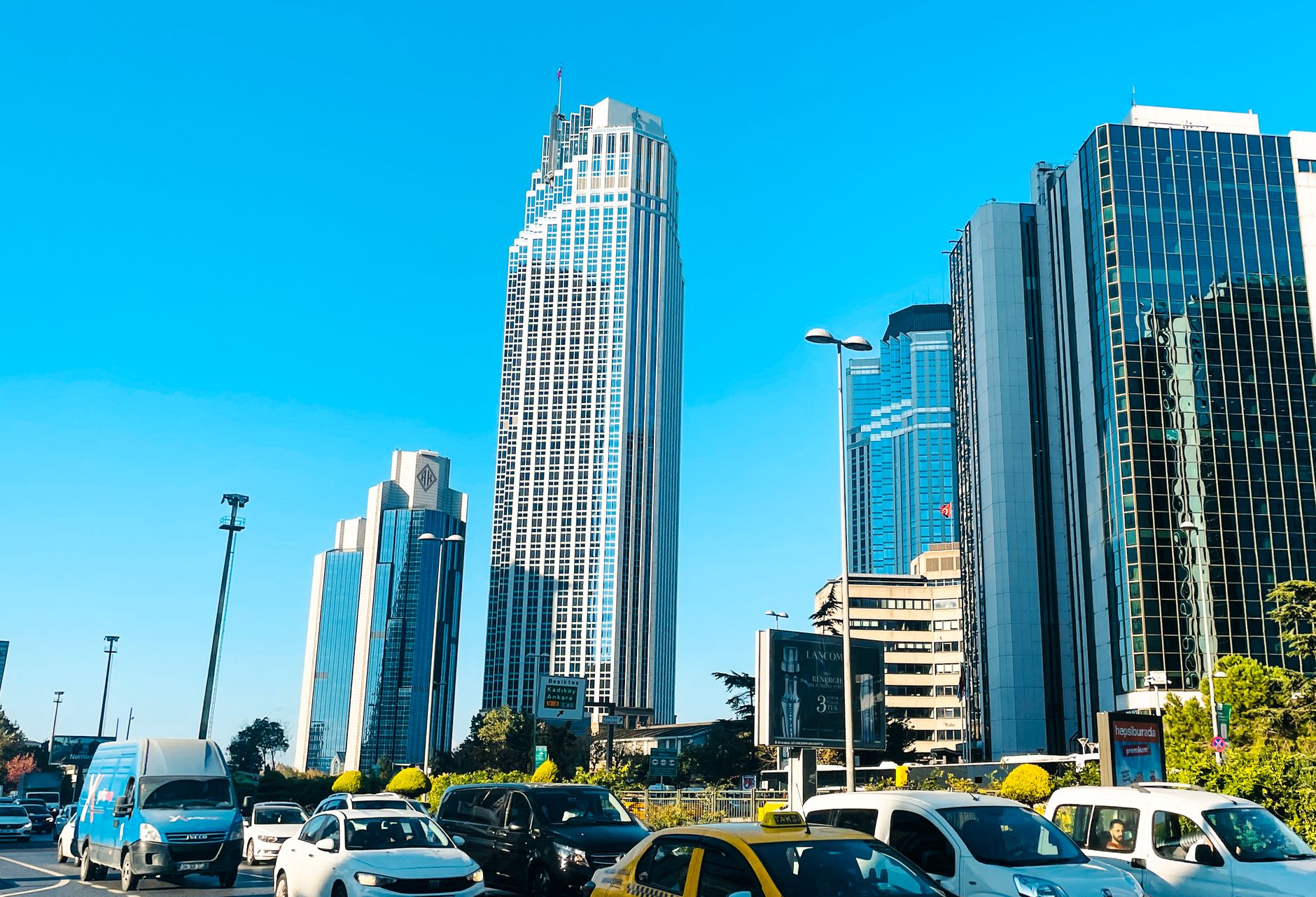
Walk through the laneway cafés of Balat or the co-working hubs sprouting along Istiklal Avenue, and you'll spot a pattern that's reshaping Istanbul's entire employment ecosystem: a generation of young professionals is abandoning the corporate treadmill for self-employment, forcing established businesses to rethink how they attract and keep talent.
The numbers tell a compelling story. According to data from the Istanbul Chamber of Commerce, registrations for sole proprietorships among 25-to-35-year-olds jumped 43 percent between 2023 and 2026. Simultaneously, major corporations in Levent and Maslak report increased difficulty filling mid-level positions, with average salary expectations rising 18 percent year-on-year as workers demand flexibility traditional employment rarely offers.
"We're seeing talented people who would have stayed in a bank or tech firm five years ago now launching their own consultancies or digital agencies," says a sector analyst familiar with Beyoğlu's burgeoning startup ecosystem. The shift is particularly pronounced in creative industries, software development, and business services—sectors where remote work and asynchronous collaboration are feasible.
This exodus is creating unusual competitive pressure. Established firms are experimenting with hybrid arrangements and equity stakes to compete. One accountancy network operating from Kadıköy recently introduced a "fractional employment" model, hiring experienced staff for three days weekly at proportionally higher hourly rates—a direct response to talent drain toward independent practice.
The ripple effects extend to commercial real estate and support services. Shared workspace providers report occupancy rates above 85 percent across Cihangir, Karakoy, and Şişli, with month-to-month rental options replacing traditional leases. Simultaneously, demand for specialized services—accounting, legal compliance, marketing—has shifted from internal teams to freelance networks, creating a parallel gig-based talent market.
Not everyone celebrates this realignment. Larger employers worry about losing institutional knowledge and argue that Istanbul's already-tight skilled labor market will become more volatile. Yet the trend reflects deeper changes: post-pandemic work culture, affordable technology, and a growing appetite for autonomy among Istanbul's educated workforce.
By most indicators, this reshaping remains in its early phase. As more professionals test self-employment—many starting ventures from apartments in Cankurtaran or shared desks in Aksaray—traditional employers face a choice: adapt recruitment and retention strategies, or watch their talent pipeline continue thinning. The market, as always in Istanbul, is evolving faster than institutions can comfortably manage.
This article was compiled by AI from the sources linked above and screened before publishing. See our editorial standards.