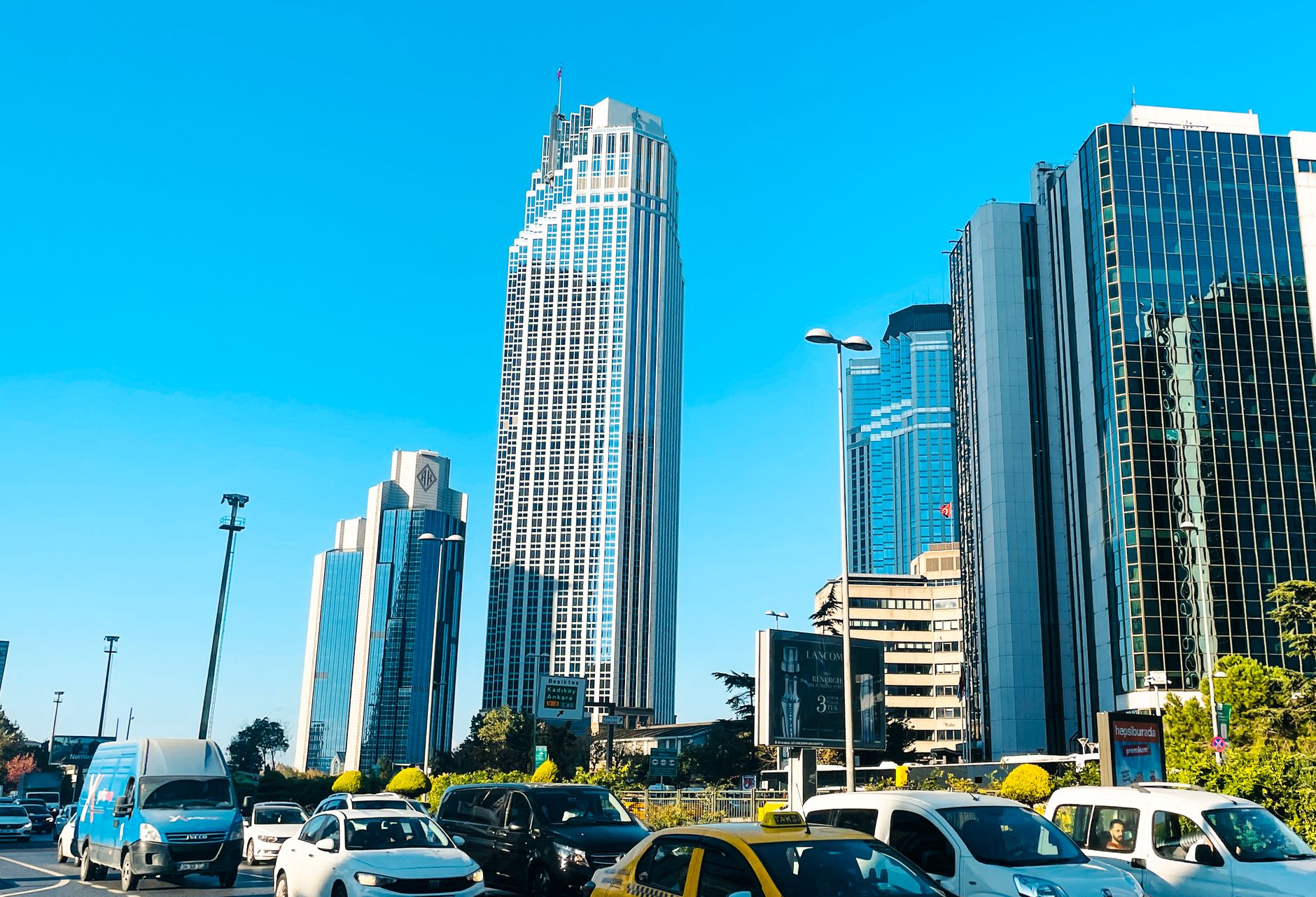
Istanbul's startup corridor is experiencing a significant recalibration. After years of robust venture capital inflows, particularly in the tech hubs spanning from Beşiktaş's modern office parks to the creative districts of Karaköy, founders are confronting a harder reality: investors are being more selective about where they deploy capital.
Data from Turkish startup associations suggests early-stage funding rounds in the first half of 2026 are down approximately 23% compared to the same period last year. Series A and B rounds remain available, but they're increasingly concentrated among founders with proven revenue traction rather than pure growth potential. For the hundreds of startups incubated at venues like Galata Tower's tech accelerators and the Istanbul Innovation Hub in Pendik, this means pivoting from "growth at all costs" to demonstrating path-to-profitability.
The funding squeeze reflects broader headwinds. Global venture capital portfolios are being reshuffled as central banks maintain higher interest rates longer than anticipated. Turkish startups that previously attracted international investment are now competing fiercely against Southeast Asian and Eastern European alternatives, where operational costs remain lower and regulatory environments appear more predictable.
However, several market trends present genuine opportunities for savvy entrepreneurs. First, there's a pronounced shift toward enterprise software and B2B solutions—particularly in supply chain optimization and logistics technology. Given Istanbul's status as a crucial trade hub between Europe and Asia, startups solving real problems in cross-border commerce are finding receptive audiences among corporate investors. Second, circular economy and sustainability-focused ventures are gaining traction; European clients increasingly demand Turkish suppliers with verifiable ESG credentials.
Real estate-tech also shows resilience. With office rents in prime Levent locations hovering around €25–35 per square metre annually, startups building property management or tenant experience platforms have found strong domestic demand and relatively straightforward expansion pathways into other regional markets.
What does this mean practically? Founders should expect due diligence processes to be longer and more rigorous. Investors want detailed unit economics, clear customer acquisition cost data, and honest timelines to breakeven. The days of securing funding primarily on vision and team pedigree have faded. Additionally, consider how geopolitical volatility—evident in recent global headlines—might affect your supply chains, customer base, or regulatory environment.
The startup ecosystem remains vibrant. But the market is maturing. Success now demands the discipline of traditional business fundamentals alongside the innovation mindset that made Istanbul a destination for entrepreneurs in the first place.
This article was compiled by AI from the sources linked above and screened before publishing. See our editorial standards.