Istanbul's job market is experiencing a notable acceleration this month, driven by the convergence of peak summer tourism season and a wave of expansion announcements from multinational firms establishing regional hubs in the city. Industry data suggests hiring has jumped nearly 28% compared to June 2025, creating genuine opportunities for job seekers while revealing which sectors—and which neighbourhoods—are pulling ahead.
The tourism and hospitality sector remains the most visible beneficiary. Hotels along the Bosphorus waterfront and in Sultanahmet are actively recruiting for front-of-house and back-of-house roles, with many offering competitive packages to combat seasonal staff shortages. A mid-range hotel receptionist in central Istanbul can now expect monthly salaries ranging from 45,000 to 65,000 Turkish lire, a meaningful increase from last year. Tour operators based around Taksim Square are hiring multilingual guides, a position increasingly coveted as visitor numbers climb toward pre-pandemic levels.
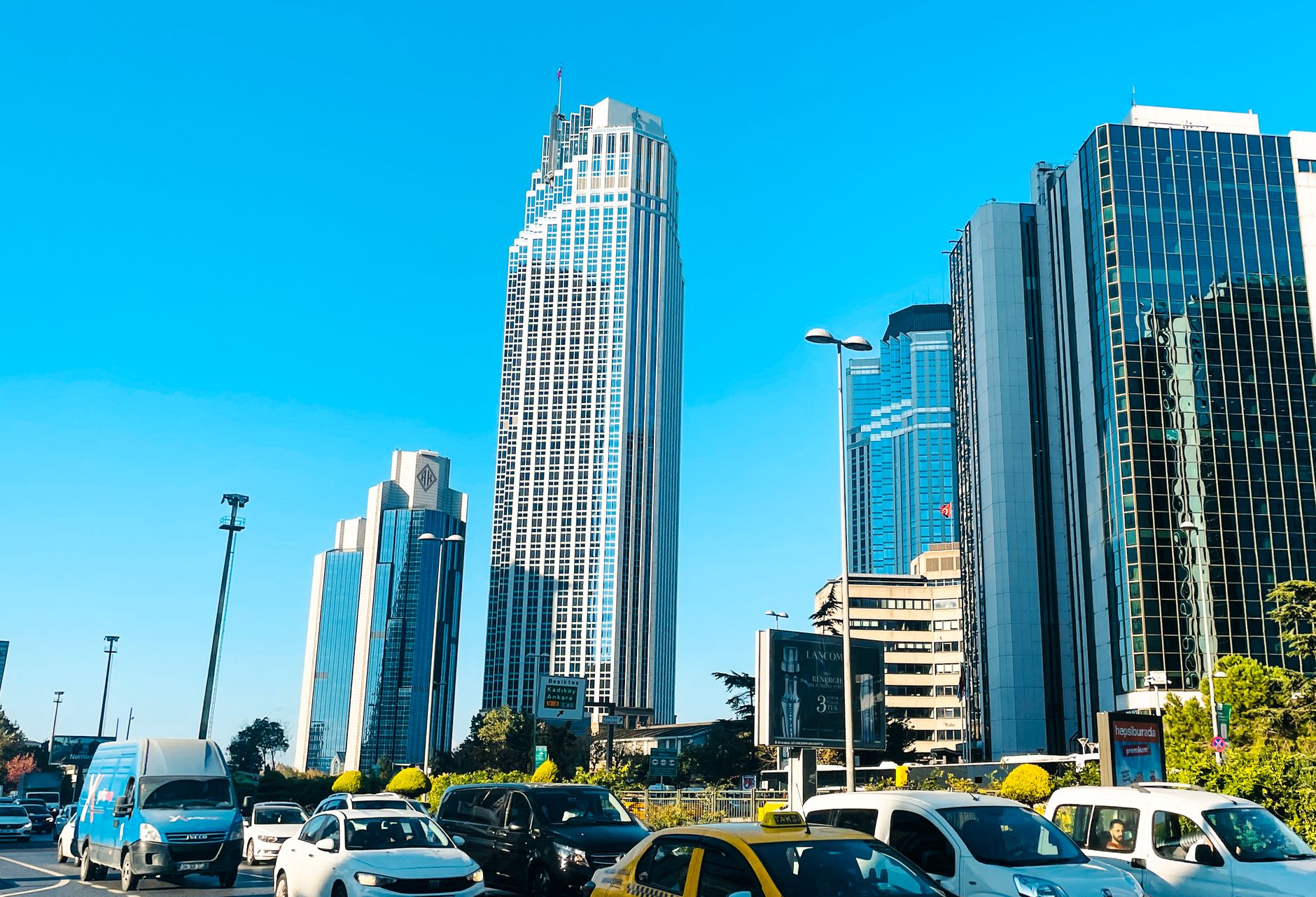
But the real story lies in Istanbul's emerging tech corridor. Companies establishing operations in the Levent and Maslak business districts—historically home to banking and finance—are now aggressively recruiting software developers, product managers, and UX designers. Several Silicon Valley-backed startups have announced office expansions in recent weeks, signalling confidence in Turkey's tech talent pool. Mid-career developers here can command salaries of 120,000 to 180,000 lire monthly, though talent shortages mean many positions remain unfilled.
Logistics and e-commerce firms are another surprising growth area. The expansion of distribution centres in Gebze and Pendik—satellite hubs serving Istanbul's sprawling metropolitan area—has created hundreds of operational and supervisory roles. These positions offer stability and career progression that typical hospitality roles cannot match.
Who's already benefiting? Professionals with English-language skills and experience in tech or operations are securing roles fastest. Job boards popular in Turkey report that postings in these categories receive applications within hours, not days. Recent graduates with technical qualifications are finding themselves in genuine demand—a reversal of the trend seen just two years ago.
The challenge facing jobseekers remains uneven opportunity distribution. While white-collar positions cluster in affluent areas like Levent and around the Bosphorus, lower-wage hospitality and retail roles dominate outer neighbourhoods. Salary growth, though visible, still lags inflation, and most positions remain contract-based rather than permanent.
For those positioned to compete—young professionals with technical skills, multilingual capabilities, or hospitality experience—June 2026 represents a genuine window. The momentum appears sustainable, with several major projects slated to break ground in the coming months.
This article was compiled by AI from the sources linked above and screened before publishing. See our editorial standards.