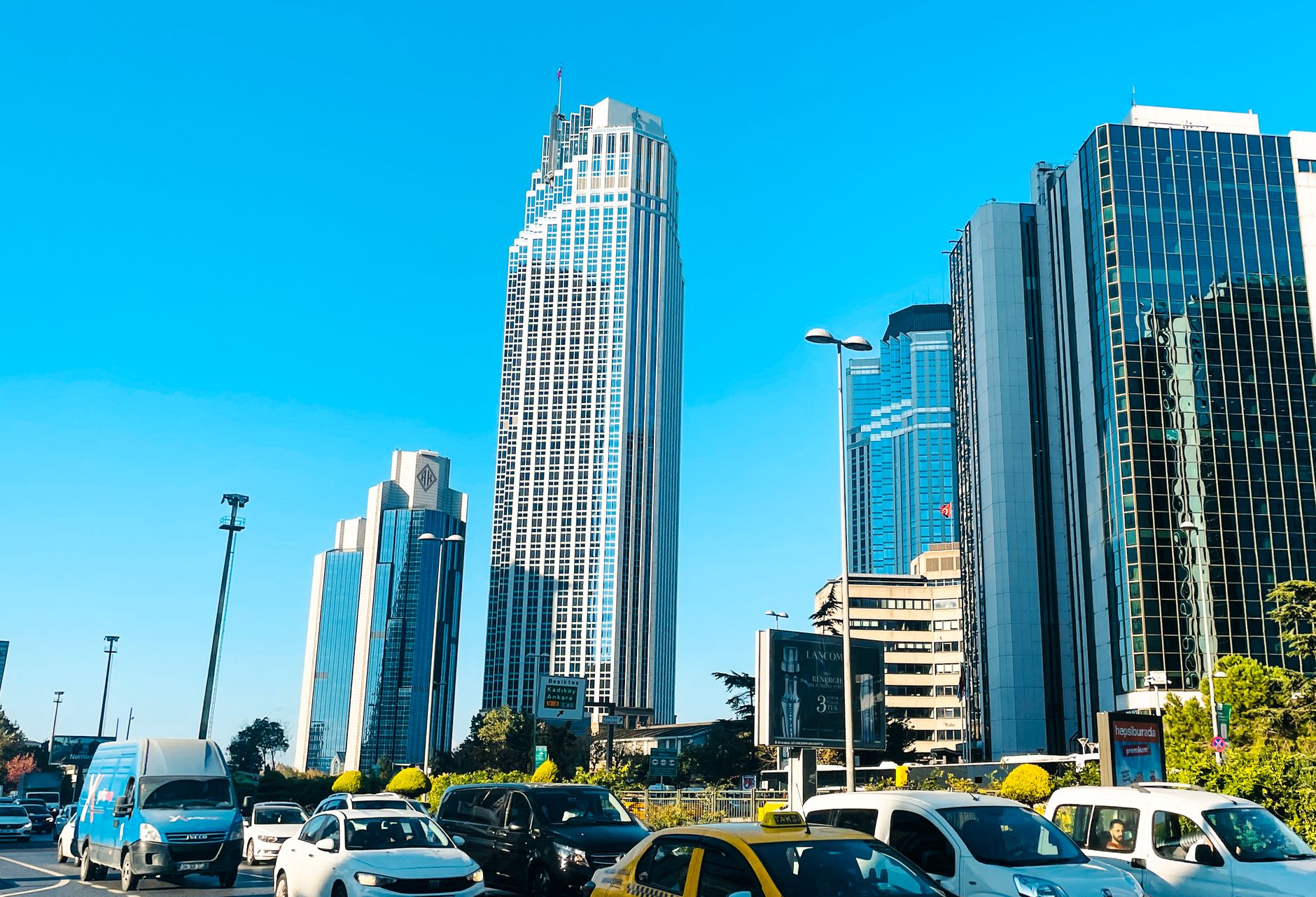
Walk through the gleaming office towers along Maslak's business corridor or the renovated warehouses of Galataport, and you'll see Turkey's investment story written in steel and glass. But beneath the visible development lies a more complex narrative—one told through trade balances, currency flows, and foreign direct investment (FDI) figures that shape Istanbul's economic trajectory.
Turkey's June trade data reveals patterns worth understanding for anyone operating in the city's business ecosystem. The country's export volumes have grown 3.8% year-over-year, driven largely by automotive and textile sectors, while import growth has slowed to 1.2%—a compression that reflects both global supply chain reconfiguration and domestic demand dynamics. For Istanbul's logistics hubs and trading companies clustered around the port district, this signals shifting opportunities.
What matters most for local business leaders is understanding FDI flows. The latest quarterly figures show foreign investment commitments down 12% compared to the same period last year, yet selective sectors—particularly technology and renewable energy—continue attracting capital. This divergence is crucial: it means not all economic slowdowns affect every business equally.
Consider the mechanics. When international investors evaluate emerging markets, they examine four key indicators. Currency stability matters first—the Turkish lira's performance against major currencies influences whether foreign capital finds Turkey attractive relative to competitors. Second, interest rate differentials determine whether return prospects justify geopolitical risk premiums. Third, sectoral performance data guides where capital concentrates. Finally, infrastructure development signals long-term commitment.
For Istanbul's finance district and the burgeoning startup community in Beyoğlu, these indicators translate into tangible outcomes. A strengthening currency makes Turkish exports more expensive but attracts foreign investors seeking value. Rising interest rates can signal economic tightening but also offer higher returns on capital. Export growth in specific sectors creates supply-chain opportunities and partnership prospects.
The practical takeaway: economic indicators are not abstract numbers confined to Bloomberg terminals in office towers. They reflect how capital moves globally, which regions attract investment, and which sectors remain resilient. A Turkish company evaluating whether to expand operations, or a foreign investor considering Istanbul real estate or manufacturing facilities, must decode these signals.
As Turkey navigates evolving geopolitical dynamics and global economic uncertainties—visible in shipping activity at the port, conference attendance at venues like the Istanbul Convention Centre, and lease negotiations across Levent's corporate campuses—the ability to read these indicators separates strategic decisions from reactive ones. Istanbul's next decade of growth depends on business leaders who understand not just what the numbers say, but what they mean for their specific operations.
This article was compiled by AI from the sources linked above and screened before publishing. See our editorial standards.