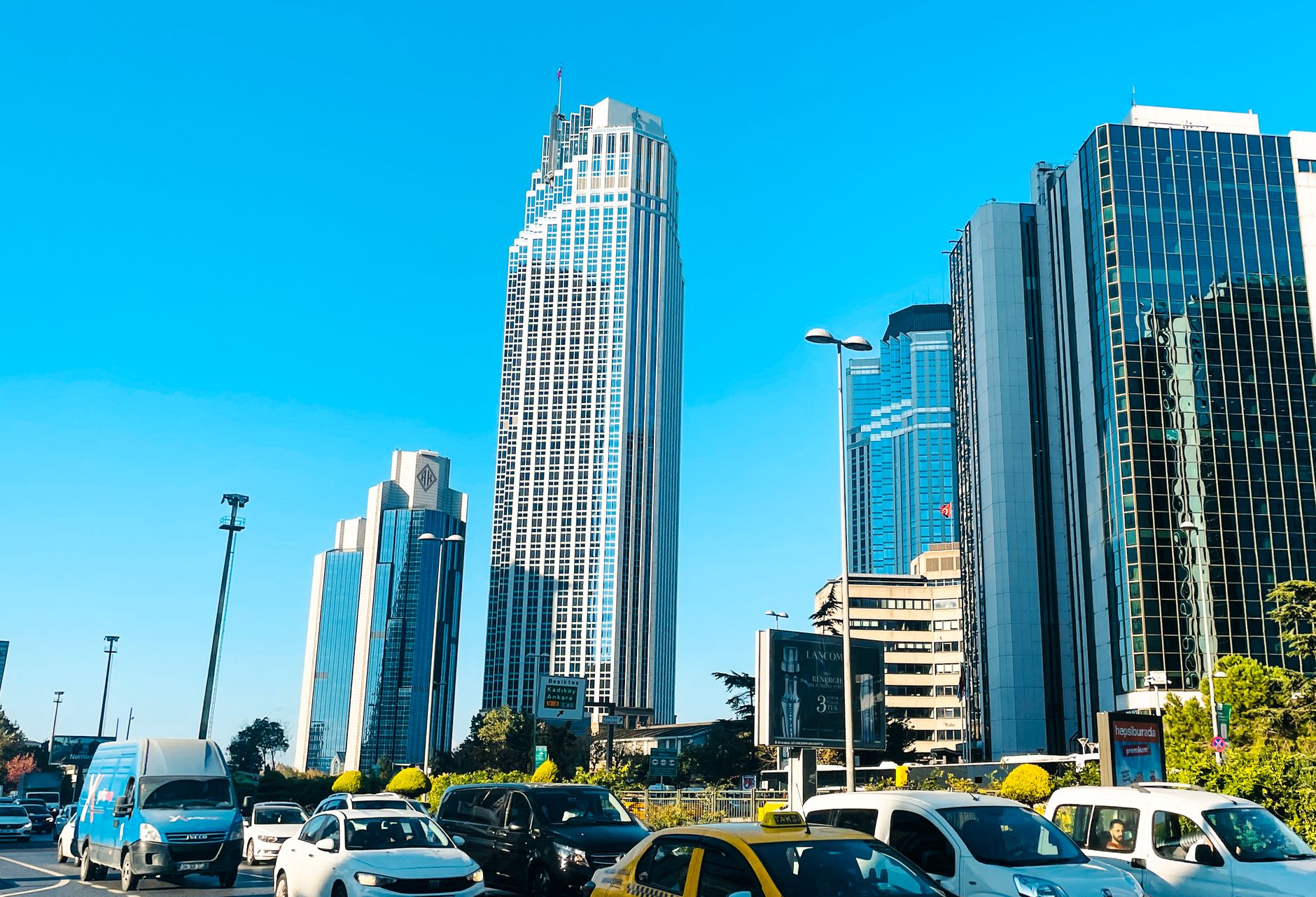
Istanbul's Export Engine Sputters as Global Tensions Reshape Trade Routes
Rising geopolitical instability in the Middle East and Africa is forcing the city's manufacturers and logistics firms to recalculate supply chains and shipping costs.
Rising geopolitical instability in the Middle East and Africa is forcing the city's manufacturers and logistics firms to recalculate supply chains and shipping costs.
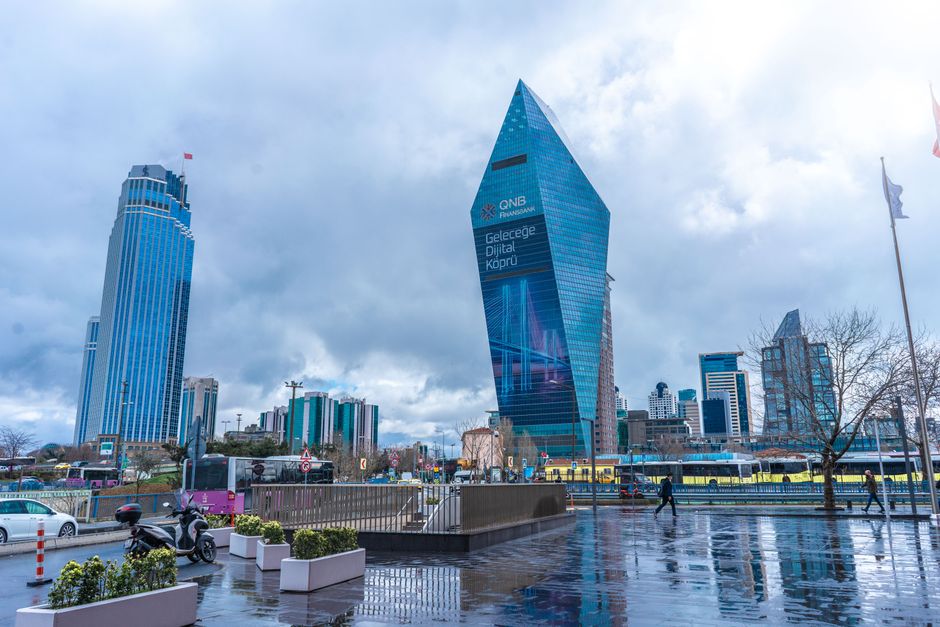
Walk through the sprawling warehouses of Kemerburgaz on any given morning, and you'll see the tension written across the faces of export managers: the global order that powered Istanbul's ascent as a trade hub is fracturing in real time.
For decades, the city's position as the bridge between Europe and Asia made it indispensable. But the escalating geopolitical crises—from Middle Eastern volatility to instability in the Red Sea corridor—are forcing Istanbul's 47,000-plus registered export companies to fundamentally rethink how goods move across borders.
"Six months ago, we could guarantee a two-week shipping window to Port Said," explains one logistics director at a major firm based in Pendik's industrial zone, speaking on condition of anonymity. "Now we're routing through longer corridors, adding 40 percent to transit times and pushing per-container costs up by $800 to $1,200."
The numbers tell a sobering story. Istanbul's Chamber of Commerce reported that June shipments to regional partners fell 12 percent year-on-year, the first sustained decline since 2023. For textile manufacturers clustered around Zeytinburnu and automotive parts suppliers in Tuzla, the math is brutal: thinner margins collide with currency volatility and insurance premiums that have tripled for certain routes.
The fallout extends beyond shipping. Turkish businesses that depend on imported raw materials—from chemical firms to electronics assemblers—are facing supply shocks. A pharmaceutical distributor operating from Levent noted that sourcing APIs from South Asia now involves 30-day delays, forcing them to maintain costlier inventory buffers.
Yet Istanbul's business community isn't passive. Trading companies operating from the Istanbul Commodity Exchange in Unkapanı are actively diversifying. Some are exploring African markets as alternative sourcing hubs. Others are investing in local processing capacity to reduce import dependency—a reversal of decades-long outsourcing logic.
The Central European Free Trade Agreement negotiations, meanwhile, have taken on new urgency for firms in Sisli's bustling financial district. Access to non-traditional markets suddenly feels less optional.
What's clear is this: Istanbul's role as a global trade crossroads remains real, but it no longer guarantees stability. The city's exporters and logistics operators are learning that in an unstable world, resilience means redundancy—and redundancy costs money. How quickly they adapt will determine whether Istanbul remains a trade powerhouse or becomes a cautionary tale about over-reliance on geography.
This article was compiled by AI from the sources linked above and screened before publishing. See our editorial standards.
How does this story make you feel?
Spread the word
About this article
Published by The Daily Istanbul
Daily brief
Free, in your inbox before 7am. Weekdays.
More in Business