Reading the Tea Leaves: How Istanbul's Business Leaders Decode Global Investment Signals
As capital flows shift and trade tensions reshape markets, understanding economic indicators has become essential for Turkey's business community.
As capital flows shift and trade tensions reshape markets, understanding economic indicators has become essential for Turkey's business community.
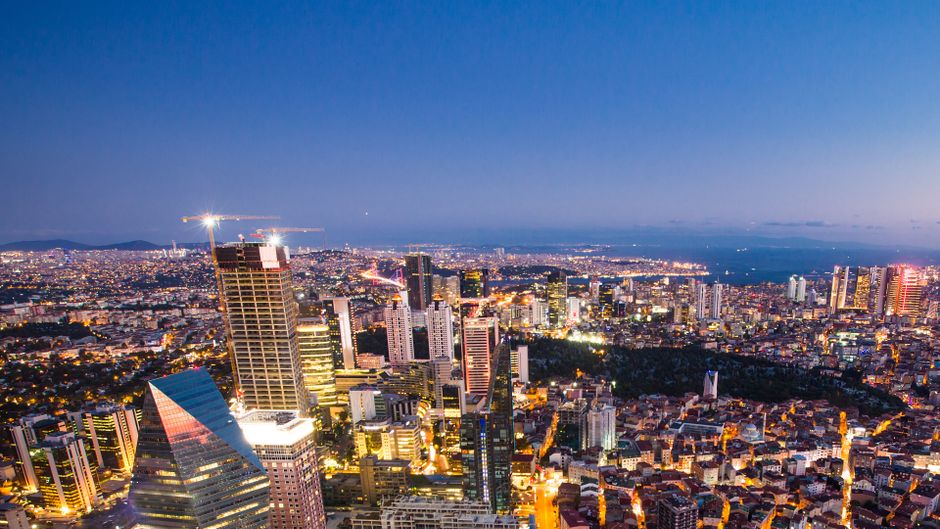
Walk into any coffee shop along Istiklal Street in Beyoğlu, and you'll overhear animated conversations about foreign direct investment, currency fluctuations, and supply chain vulnerabilities. These discussions reflect a broader reality: Istanbul's business elite has learned to read economic indicators the way navigators read stars.
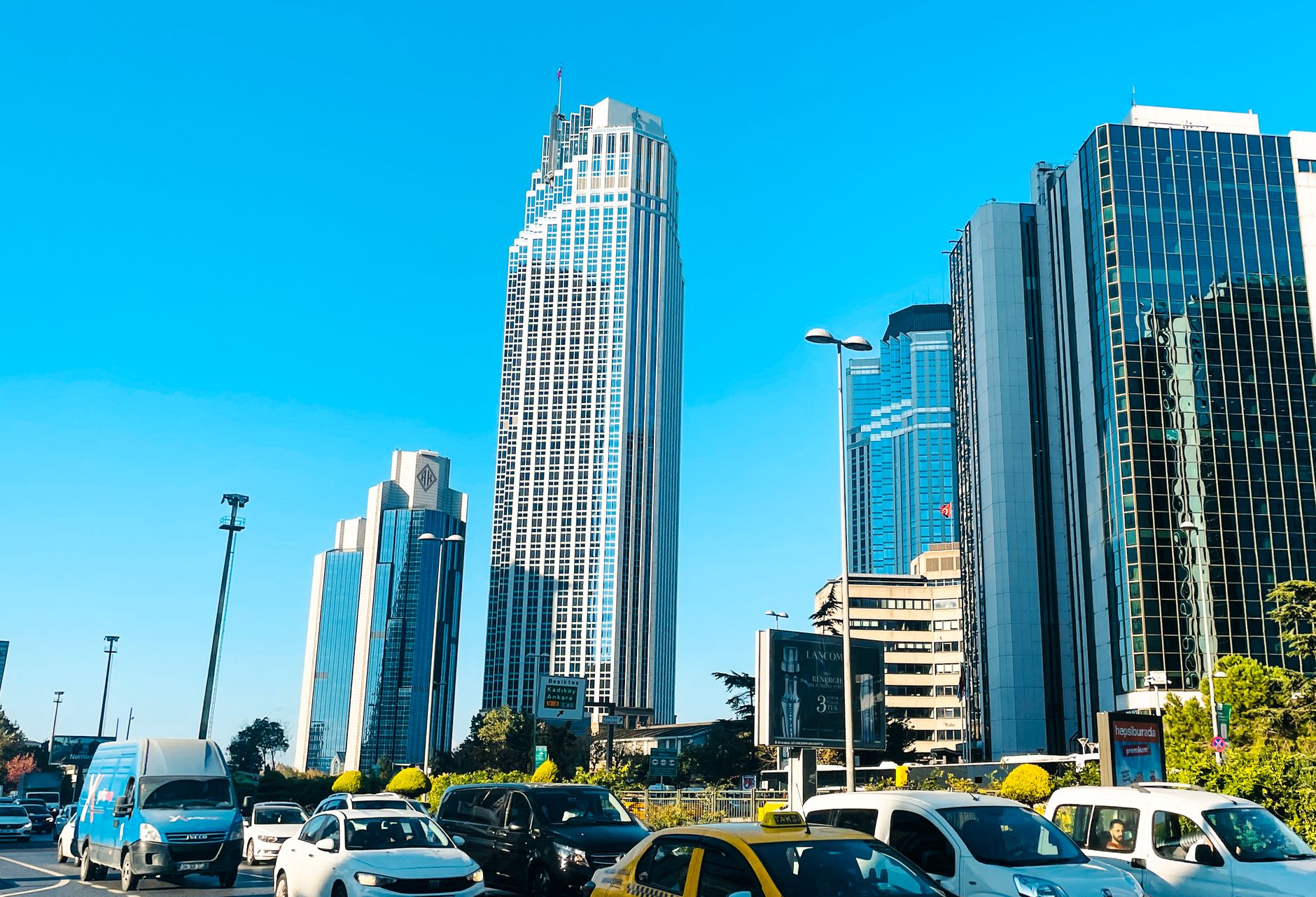
The stakes are considerable. Turkey's economy, heavily dependent on international trade, saw foreign direct investment reach approximately $12.3 billion last year—a figure that fluctuates with global sentiment. When major economies signal recession fears or tighten capital flows, Istanbul's financial district in Maslak feels the tremor almost immediately.
"Economic indicators are the language of global capital," explains the framework many Istanbul Chamber of Commerce members use to track opportunities. The monitoring typically begins with three key metrics: foreign exchange reserves, current account balances, and purchasing managers' indices. Turkey's reserves have hovered around $81 billion in recent months—a cushion that international investors scrutinize carefully.
The recent geopolitical tensions affecting Middle Eastern stability have created what analysts call a "flight to quality"—investors pulling capital from riskier emerging markets. For Istanbul's export-dependent businesses, particularly those in Tuzla's industrial zone and the textile warehouses of Esenler, such movements translate directly into order books and quarterly projections.
FX market dynamics deserve particular attention. When the Turkish lira weakens against the dollar—as it has intermittently throughout 2026—export competitiveness improves temporarily, yet import costs rise. Logistics companies operating from Pendik port and manufacturers importing raw materials feel this tension acutely. A 5% currency shift can mean millions in margin compression or windfall gains.
Meanwhile, interest rate decisions by major central banks ripple through Istanbul's banking sector. The spread between Turkish lending rates and US treasury yields influences whether multinational corporations expand operations here or redirect investment elsewhere. Real estate developers in Levent monitor these spreads obsessively; foreign capital has traditionally funded infrastructure projects.
What separates sophisticated investors from reactive traders is interpretation. Global PMI figures suggesting manufacturing slowdown don't uniformly signal disaster—they reveal where demand is shifting. A contraction in German industrial output might signal opportunity for Turkish suppliers willing to pivot toward different markets or product categories.
For Istanbul's business community, reading these signals has become survival instinct. The city's position as a bridge between Europe and Asia makes it uniquely sensitive to global flows. Those who master this language—understanding what indicators truly matter and which are noise—maintain competitive advantage in an increasingly volatile environment.
This article was compiled by AI from the sources linked above and screened before publishing. See our editorial standards.
How does this story make you feel?
Spread the word
About this article
Published by The Daily Istanbul
Daily brief
Free, in your inbox before 7am. Weekdays.
More in Business