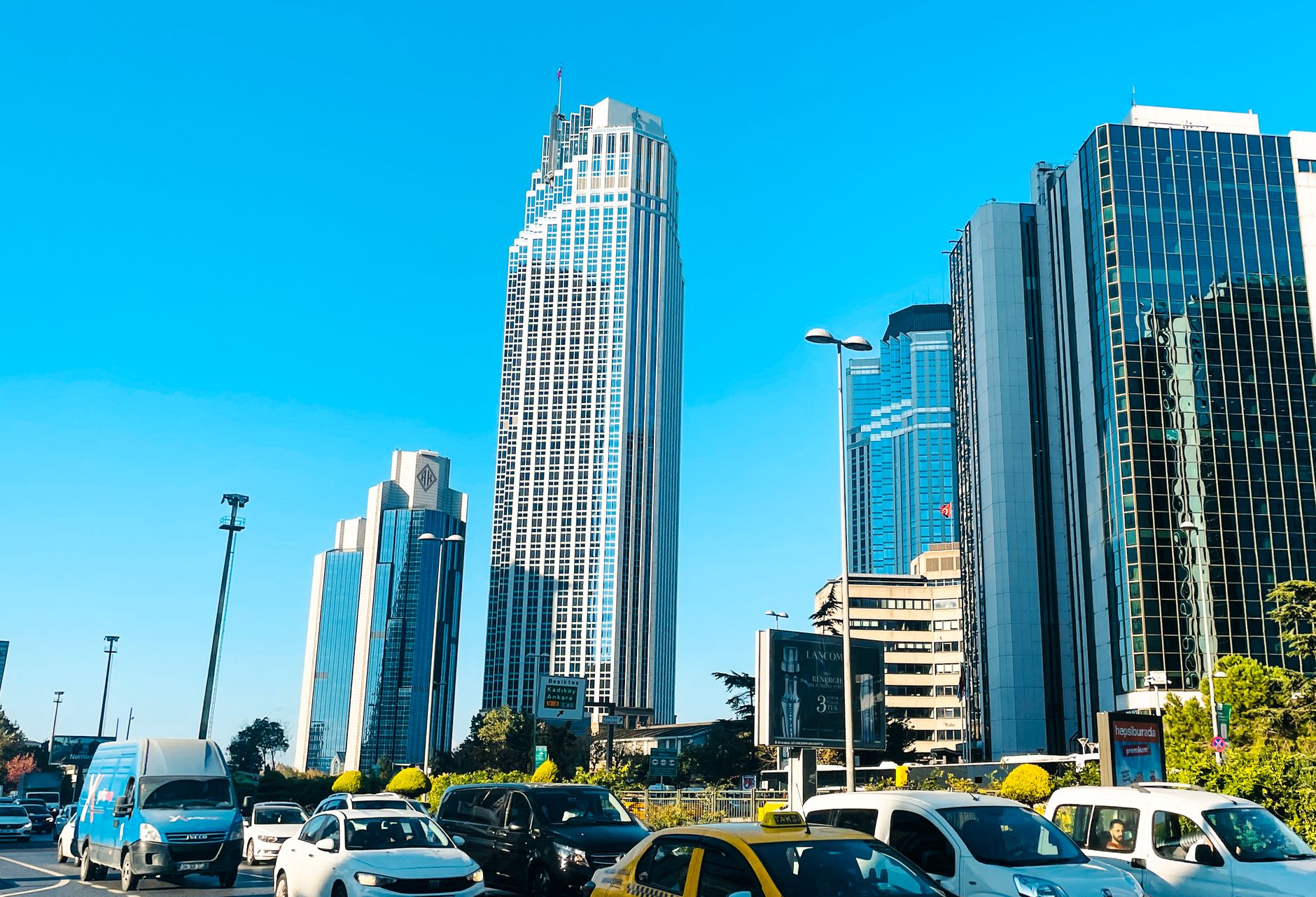
Istanbul's job market is undergoing a fundamental restructuring as remote work arrangements reshape where professionals choose to live and work. The trend is draining demand from traditionally dominant business hubs like Maslak while simultaneously breathing new life into residential neighbourhoods across the European and Anatolian sides.
Data from local recruitment firms shows that fully remote and hybrid positions now account for approximately 42% of advertised roles in Istanbul's professional sector—a dramatic shift from just 8% in 2022. This flexibility has triggered a corresponding migration of talent away from dense office corridors. Commercial real estate consultants report that Grade A office space in Maslak commands average rents of $45-55 per square metre annually, yet occupancy rates have declined by 18% since early 2024 as companies reduce their footprints.
The consequences ripple across Istanbul's geography. Neighbourhoods like Beşiktaş, historically residential and underutilised by corporate employers, are experiencing unexpected vitality. Co-working spaces along Abbasağa Caddesi and around Ortaköy have tripled in number over three years, now hosting freelancers and remote workers seeking professional environments without lengthy commutes from the city's periphery. Similar patterns emerge in Kadıköy on the Anatolian side, where young professionals increasingly cluster near waterfront cafés that double as informal office spaces.
Employment agencies report shifting candidate expectations. Professionals previously willing to endure two-hour commutes from districts like Esenyurt or Pendik now demand flexibility as a baseline condition. Salary expectations have simultaneously become more location-agnostic; candidates working remotely from cheaper outer neighbourhoods increasingly negotiate salaries based on professional value rather than central location premiums. This is democratizing access to Istanbul's highest-paying sectors, which were previously concentrated among those who could afford or tolerate central residence.
However, challenges persist. Istanbul's internet infrastructure, though improved, remains inconsistent across neighbourhoods. Power outages and congestion still frustrate professionals in Anatolian-side districts. Companies meanwhile grapple with maintaining culture and collaboration across dispersed teams navigating Istanbul's notorious traffic for occasional in-person meetings.
The reshaping extends to commercial real estate strategy. Developers are increasingly converting older office buildings in secondary locations into mixed-use spaces blending residential, office, and hospitality functions. This diversification reflects market recognition that traditional office-centric urban planning no longer matches how Istanbul's workforce actually operates. The city's job market, once rigidly centred on Maslak's glass towers, is becoming genuinely distributed—a transformation that will define Istanbul's economic geography for years ahead.
This article was compiled by AI and screened before publishing. See our editorial standards.