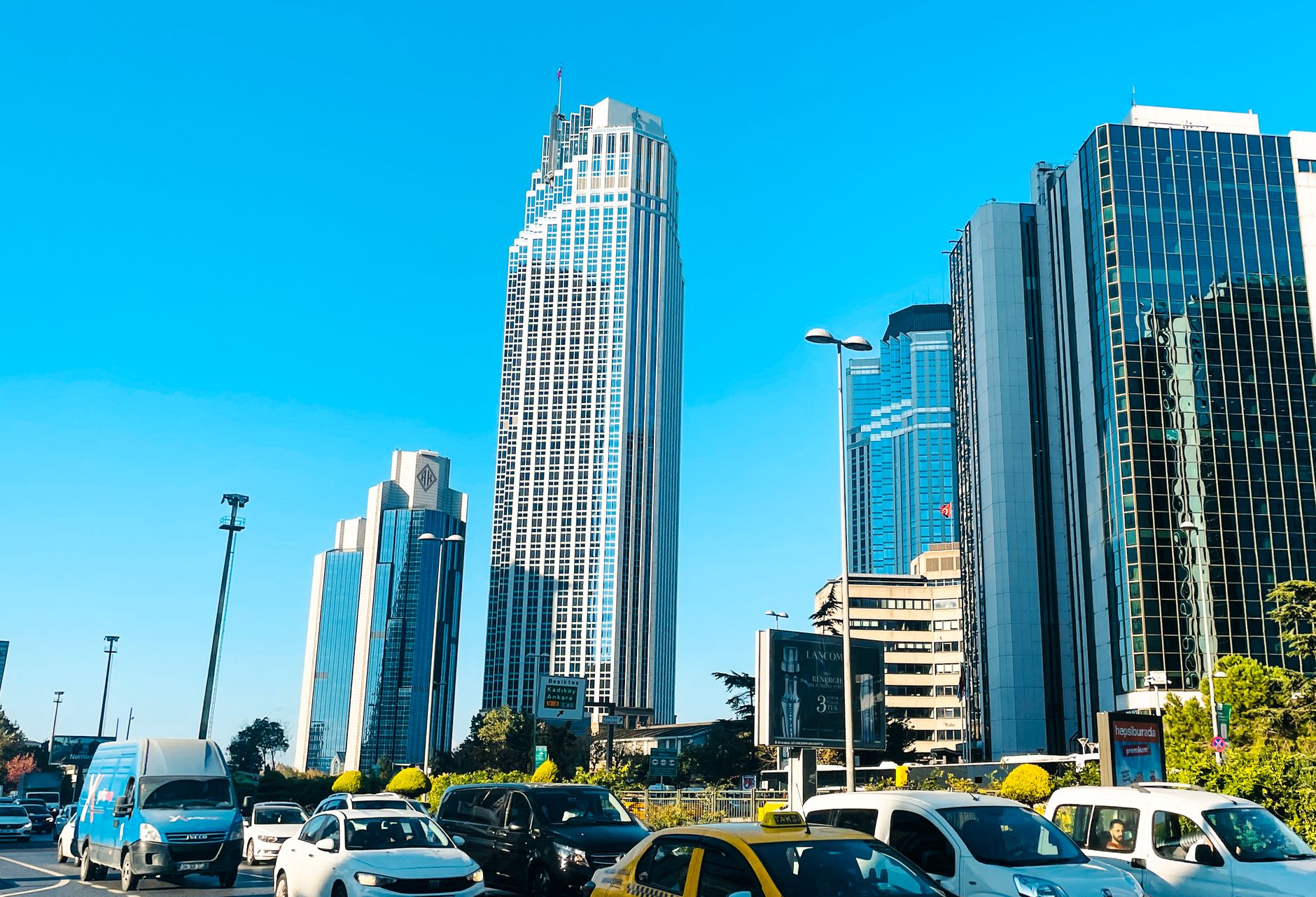
Istanbul's commercial property market is experiencing a sharp realignment that has created measurable winners and losers. After three years of muted demand and falling rents, the city's prime office districts are seeing renewed tenant appetite—but only for spaces that meet a new, more demanding standard.
The shift is most visible in Levent, where Grade-A office towers along Nispetiye Caddesi are commanding rents of $35-40 per square metre annually, up nearly 18% since early 2024. Maslak's central business district is tracking similar momentum, with several completed developments now reporting 85% occupancy after lingering at 65-70% two years ago. Meanwhile, secondary locations in Fatih and older stock in Besiktaş are struggling, with some landlords forced to offer three-month rent-free periods to secure tenants.
Savvy developers who anticipated this polarisation are reaping substantial rewards. Those who invested in retrofitting outdated office buildings with flexible floor plates, high-speed connectivity, and modern amenities are finding themselves with waiting lists. Conversely, property owners who banked on traditional long-term leases to corporate tenants are facing extended void periods.
The catalyst is straightforward: Turkish and multinational firms are consolidating their footprints and demanding better spaces. Tech companies, financial services firms, and consulting houses are actively relocating from aging structures near Taksim to modern campuses offering collaborative zones, wellness facilities, and hybrid-ready infrastructure. A 2026 survey of Istanbul's top 200 employers showed 62% either relocated or substantially renovated their offices in the past 18 months.
Real estate investment trusts (REITs) focused on premium Turkish office assets have outperformed market indices by 12-15% this year, signalling institutional confidence in the trend's durability. International investors, notably European pension funds and Middle Eastern family offices, are also entering the market, seeking exposure to Istanbul's economic growth and relative stability compared to regional alternatives.
However, the opportunity window is narrowing. Construction costs remain elevated, and regulatory approvals for new development in central zones have tightened. This is creating scarcity value for premium stock and accelerating pricing power for quality landlords. Smaller investors and owner-occupiers who missed the early rebound are now facing sharply higher acquisition costs.
For tenants, the message is clear: the days of negotiating favourable rates in secondary markets are ending. Companies seeking space in Levent or Maslak are advised to move decisively, as multiple competing offers are becoming routine for quality properties.
This article was compiled by AI from the sources linked above and screened before publishing. See our editorial standards.